For thou, Lord, art high above all the earth.

Psalm 97:9

For thou, Lord, art high above all the earth.

Satan hath been a prince; he hath made laws of your captivity and misery; he hath kept you to his task, to do him service. He hath said, Be angry, and then you have been full of rage. He hath said, Be covetous, and then you have been full of covetousness. He hath said, Be dark, and then you have been full of blindness. He hath said, Be proud, and then ye have been full of haughtiness. And so he hath, as a monstrous tyrant, tormented the world. The sting of Satan’s whips is in your consciences, I know. Your errors and mistakes have been through the kingdom of darkness in you, that you do not know God, or his holy hill. You would come into the enjoyment of God; Satan will not let you: you would know God; he will not suffer you: you would be wise unto salvation; he will not permit you. He hath fettered you with his chains of darkness; he hath captivated your judgments; he hath made you to grind at his mill and to drudge in his service; and hath made you to cry out, “O when will the Lord come!” But now his wicked reign is at an end: what ye had, ye shall want, and what ye want, ye shall have; what hath been shall not be; that which shall be, must be, and cannot choose but be: ye shall have love, because the law of God is love; and ye shall have peace, because the kingdom of God is peace; and ye shall have light, because the inheritance is marvellous light; ye shall have righteousness, because this state is true holiness; ye shall have liberty, settledness, stability, and every good thing in this kingdom of God. It’s always ill with us while Satan reigns. It’s always well with us while God reigns; when our Husband is King we shall have preferment, and honour, and riches, and greatness, and power, and authority, because our God reigns. “The Lord reigns”, for us; the Lord takes his kingdom, and it is for us: the Lord hath reigned in himself all this while; now he reigns by us: the Lord counts himself not to have a kingdom, till we have it with him: the Lord thinks himself mean and despised, till we are exalted. He is poor without us. He is weak, while absent from us. He is not himself unless he enjoys us. “Thou art my excellency, my firstborn.” The power of God is in weakness, till we become mighty. The kingdom of God is in darkness, till we shine forth. The treasures of God were of no worth to him, if we were not his richest jewels.

Taken from Treasury of David

[maxbutton id=”117″ url=”https://keygrowthconsultants.co.uk/” ] 

“For the grace of God that bringeth salvation hath appeared to all men,” Titus 2:11

Finished

When Jesus therefore had received the vinegar, 
he said, It is finished: and he bowed his head, 
and gave up the ghost.—John 19:30

It is finished! Beautiful word. Blessed salvation. It is the sixth and second to last cross word. Jesus spoke one more time after that. He said, “Father, into thy hands I commend my spirit.” Before he surrendered his spirit to the Father, Jesus said, “It is finished.”

What is three words in English is one word in Greek: te-tel-es-tai! The dying Christ came out of the darkness of the cross, and the whole universe came with him. He said, “I thirst!” He thirsted after his immense effort to accomplish salvation. The bystanders put a sponge full of vinegar to his mouth. With that taste of vinegar stinging his cracked lips, tingling on his teeth, and biting his parched throat, he uttered one last, glorious shout. With a voice empowered by the divine, he uttered a shout that reverberated throughout the universe: “It is finished!”

That shout made heaven and the angels rejoice, and it made hell and Satan shudder. The hosts of fiends that were so active at the cross must have paused, looked questioningly at each other, and asked, “What is finished?” They had been so busy. Busy all his life. Busy at his birth, so that Herod rose up to slay Jesus. Busy in the minds of Jesus’ enemies. Busy even on the lips of his own disciples. Busy in the chambers of the high priest and the council room of the Sanhedrin. Busy on the lips and tongues of the false witnesses, busy at Gabbatha, busy in the hammer blows of the soldier who nailed Jesus’ hands and feet to the cross, and busy in the throats of the mob shouting, “Crucify him!” Busy on the road leading past Golgotha as the crowds jeered, mocked, and reviled the dying Christ. They had worked so hard to bring him to the cross, to crucify Jesus, to finish him, and to bury him once and for all. Then at the bitter end of the cross, he shouted victoriously, “It is finished!”

What is finished?

Read full article: Sword-and-Shield-April-2021.pdf (reformedbelieverspub.org)

“For the grace of God that bringeth salvation hath appeared to all men,” Titus 2:11

Exposition Psalm 58:1, 2

To the chief Musician, Altaschith, Michtam of David.
Do ye indeed speak righteousness, O congregation? do ye judge uprightly, O ye sons of men? Yea, in heart ye work wickedness; ye weigh the violence of your hands in the earth.”

Verse 1. Do ye indeed speak righteousness, O congregation? The enemies of David were a numerous and united band, and because they so unanimously condemned the persecuted one, they were apt to take it for granted that their verdict was a right one. “What everybody says must be true, “is a lying proverb based upon the presumption which comes of large combinations. Have we not all agreed to hound the man to the death, and who dare hint that so many great ones can be mistaken? Yet the persecuted one lays the axe at the root by requiring his judges to answer the question whether or not they were acting according to justice. It were well if men would sometimes pause, and candidly consider this. Some of those who surrounded Saul were rather passive than active persecutors; they held their tongues when the object of royal hate was slandered; in the original, this first sentence appears to be addressed to them, and they are asked to justify their silence. Silence gives consent. He who refrains from defending the right is himself an accomplice in the wrong. Do ye judge uprightly, O ye sons of men? Ye too are only men though dressed in a little brief authority. Your office for men, and your relation to men both bind you to rectitude; but have ye remembered this? Have ye not put aside all truth when ye have condemned the godly, and united in seeking the overthrow of the innocent? Yet in doing this be not too sure of success, or ye are only the “sons of men, “and there is a God who can and will reverse your verdicts.

Verse 2. Yea, in heart ye work wickedness. Down deep in your very souls ye hold a rehearsal of the injustice ye intend to practise, and when your opportunity arrives, ye wreak vengeance with a gusto; your hearts are in your wicked work, and your hands are therefore ready enough. Those very men who sat as judges, and pretended to so much indignation at the faults imputed to their victim, were in their hearts perpetrating all manner of evil. Ye weigh the violence of your hands in the earth. They were deliberate sinners, cold, calculating villains. As righteous judges ponder the law, balance the evidence, and weigh the case, so the malicious dispense injustice with malice aforethought in cold blood. Note in this verse that the men described sinned with heart and hand; privately in their heart, publicly in the earth; they worked and they weighed–they were active, and yet deliberate. See what a generation saints have to deal with! Such were the foes of our Lord, a generation of vipers, an evil and adulterous generation; they sought to kill him because he was righteousness itself, yet they masked their hatred to his goodness by charging him with sin.
Treasury of David (CHS)

“For the grace of God that bringeth salvation hath appeared to all men,” Titus 2:11

Why boastest thou thyself in mischief, O mighty man?

An Edomite, present when Ahimelech helped David
1 Samuel 21:7; 1 Samuel 22:9; 1 Samuel 22:22; Psalms 52:1

Slew eighty-five priests
1 Samuel 22:18-19

The enemies of the truth and the church described, Their destruction. (1-5) The righteous rejoice. (6-9)

1-5 Those that glory in sin, glory in their shame. The patience and forbearance of God are abused by sinners, to the hardening of their hearts in their wicked ways. But the enemies in vain boast in their mischief, while we have God’s mercy to trust in. It will not save us from the guilt of lying, to be able to say, there was some truth in what we said, if we make it appear otherwise than it was. The more there is of craft and contrivance in any wickedness, the more there is of Satan in it. When good men die, they are transplanted from the land of the living on earth, to heaven, the garden of the Lord, where they shall take root for ever; but when wicked men die, they are rooted out, to perish for ever. The believer sees that God will destroy those who make not him their strength.

6-9 Those wretchedly deceive themselves, who think to support themselves in power and wealth without God. The wicked man trusted in the abundance of his riches; he thought his wickedness would help him to keep his wealth. Right or wrong, he would get what he could, and keep what he had, and ruin any one that stood in his way; this he thought would strengthen him; but see what it comes to! Those who by faith and love dwell in the house of God, shall be like green olive-trees there. And that we may be as green olive-trees, we must live a life of faith and holy confidence in God and his grace. It adds much to the beauty of our profession, and to fruitfulness in every grace, to be much in praising God; and we never can want matter for praise. His name alone can be our refuge and strong tower. It is very good for us to wait on that saving name; there is nothing better to calm and quiet our spirits, when disturbed, and to keep us in the way of duty, when tempted to use any crooked courses for our relief, than to hope, and quietly wait for the salvation of the Lord. None ever followed his guidance but it ended well.

Commentary by Matthew Henry, 1710 (Psalm 52)

“For the grace of God that bringeth salvation hath appeared to all men,” Titus 2:11

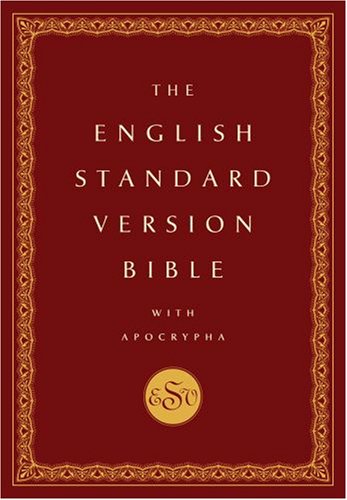
English Standard Version

Does the English Standard Version Stand in the Classic Mainstream of English Bible Translations?
By L. Brigden, Senior Editorial Consultant (Linguistics)

The English Standard Version (ESV) first appeared in 2001 and since then has been revised a number of times (2007, 2011 and 2016). The ESV is intended to appeal to the more conservative Christian, being portrayed as standing in ‘the classic mainstream of English Bible translations’,1 beginning with the Tyndale New Testament and the Authorised (King James) Version and from there to the Revised Version and the Revised Standard Version. The ESV professes to adhere to the principle of formal equivalence in translation and to reject the contrary principle of dynamic equivalence.2 This supposed return to the historic principle of formal equivalence and the consequent attempt to mirror ‘the majesty of the style’3 of the original Hebrew and Greek in English translations is an important and welcome change. Where translators have a high regard for the original Biblical languages by which the Holy Spirit conveys divine truth they no longer attempt to work out what the inspired writer ‘meant’ to say, or attempt to conform what he has in fact written to the prejudices of a contemporary society, but they simply render the original as it stands.

But while the ESV professes to stand in ‘the classic mainstream of English Bible translations’, it actually departs from that mainstream in two significant ways. Firstly it departs by abandoning the traditional and time honoured Greek Received Text in favour of a more recently devised and corrupt Critical Text, and secondly it departs from the principle of formal equivalence and conforms to the prejudices of at least some sections of modern society by adopting gender neutral4 language. Read full article

“For the grace of God that bringeth salvation hath appeared to all men,” Titus 2:11

Good and Pleasant Unity Psalm 133


A song of degrees of David. Behold, how good and how pleasant it is For brethren to dwell together in unity! It is like the precious ointment upon the head, That ran down upon the beard, even Aaron’s beard: That went down to the skirts of his garments; As the dew of Hermon, and as the dew that descended upon the mountains of Zion: For there the Lord commanded the blessing, even life for evermore.

Behold, how good and how pleasant it is for brethren to dwell together in unity! Such is the joyful exclamation of the sweet psalmist of Israel. He beholds all Israel coming up the mountain to worship the Lord with one heart and one mind. He sees all Israel gathered to worship God. He hears that with one voice they confess God to be their God.

It had not always been so. For many years the land and nation had been torn by the divisiveness of an evil king. He had torn the nation away from God to bring it into subjection to himself. That king God had rejected. Rejected by God, the king had desperately clung to power and control. In his hatred for God and the neighbor, he had relentlessly persecuted the Lord’s anointed. The king had decimated the priesthood and the worship of God. Finally and fatally, he had gone to see the witch of Endor and had come to a terrible end when he met his God on the top of Mount Gilboa.

And still relief had not come. The worthless son of that evil king was propped up in a divisive puppet kingship, and the nation was plunged into a terrible civil war. Tribe warred against tribe, family against family, and brother against brother. The fields were burned; the forests were cut down; the cattle lay bloated in the ditches; the graves of the mighty slain grew in number; a somber, eerie haze of war hung over the land; and a nervous, anxious tension gripped the hearts of the inhabitants of the land.

Yet the house of David grew stronger and stronger, and the house of Saul grew weaker and weaker. Slowly but surely, the tribes gave their allegiance to David, the Lord’s anointed. And Jehovah went up with a shout; he set his king upon Zion’s holy hill, and all Israel gathered to him. One house, one kingdom, one nation was formed under one head.

And now a good and pleasant scene unfolds before David: all the tribes coming up joyfully to worship Jehovah with one heart and one mind under one shepherd. The groups of pilgrims coming out of their homes stream up to worship Jehovah. There is joy in their minds, happiness in their hearts, praise on their lips, and fruitfulness in the land. Prosperity abounds! Israel dwells safely together, every man under his vine and under his fig tree. There is one head, one heart, and one mind. Israel lifts up its voice again in thanksgiving and worship to God, the God of Israel.

How good and pleasant it is for brethren to dwell in unity!

The blessing of God!

For God is unity in himself. He is the one, simple God. There is only one God. And God is simple; he is his perfections. He is love, grace, righteousness, holiness, wisdom, and mercy. All his perfections are one in him, and there is no disharmony or war in him. He is perfectly self-sufficient, fullness and satisfaction itself. Because he is almighty, all his willing and wishing and desiring are perfectly fulfilled, so there are no frustrated desires in God.

And he is triune. He makes brethren dwell together in unity because that is who he is in himself. His blessing consists in delightful unity among the brethren because in that unity he makes them taste his own goodness as the covenant God. Within the divine being of God subsist three persons: Father, Son, and Holy Ghost. And what delightful, good, and pleasant dwelling together there is among them! The only begotten Son, who is in the bosom of the Father. The Father embraces his Son in the Spirit, and the Son presses himself into the bosom of his Father in the Spirit. Sweet communion! Jehovah, the covenant God in himself. Perfect unity in Trinity, and Trinity in unity. Three dwelling together, the one true God.

Such pleasant unity did God create in the beginning. A unified, harmonious earthly creation concentrated in the heart of Adam, who consecrated all to the glory of God. A unified heavenly realm under a mighty prince of the angels to the glory of God.

Yet not all was well in heaven. Pride tore the unity of heaven, and the devil and his demons were cast out as the enemies of God. Woe to the inhabitants of earth! Into the earth and into the midst of the garden, the terrible fiend came to mar the beautiful unity of that place. And giving ear to the devil, man rent the unity of the earth by his sin! Listen as he defends himself in his sin: “The woman thou gavest me!”

 And such is the state of man outside of Christ. The world is torn by strife and divisions, wars and rumors of war, social upheavals, schisms, family feuds, marital strife, interpersonal hatred, envy, and every evil work. Such is all that man can do. To such divisiveness he is driven by the prince of the power of the air, the spirit that now works in the children of disobedience. Far from God and at war with each other is the state of man. The only unity that man can create is devilish and antichristian. Man’s unity in the world creates an abominable monster—to whom the dragon gives his power and seat and great authority— who blasphemes the God of heaven and wears out the saints of God. Man’s unity in the church creates only a deceptive creature that looks like a lamb but speaks as a dragon and causes the whole world to worship man and the dragon.

Such man does also in the church of God. Does not the Bible call the heretic a divider and heresy division? What did the heresy of works-righteousness produce in the Galatian churches? “But if ye bite and devour one another, take heed that ye be not consumed one of another” (Gal. 5:15). Did not those heretics trouble the church, so that the apostle wished they were cut off? “I would they were even cut off which trouble you” (v. 12). Does not the Bible lay at the feet of the lusts of man all wars and fighting? “From whence come wars and fightings among you? come they not hence, even of your lusts that war in your members? Ye lust, and have not: ye kill, and desire to have, and cannot obtain: ye fight and war, yet ye have not, because ye ask not” (James 4:1–2). Does not the Bible lay blame for all the envying, strife, confusion, and every evil work in the church on the application of wisdom that descends not from above? “If ye have bitter envying and strife in your hearts, glory not, and lie not against the truth. This wisdom descendeth not from above, but is earthly, sensual, devilish. For where envying and strife is, there is confusion and every evil work” (3:14–16). Surely where false doctrine comes in, where the lusts of men reign, and where the earthly, sensual, and devilish wisdom of man is applied, there will never be unity.

And there too, where the lusts and wisdom of man reign, the true unity of the brethren will be evil spoken of. Man is not only unable to create good and pleasant unity, but he also hates it. Man’s unity, which is only a false and evil imitation of the unity of the Spirit, is a unity against the truth; a unity enforced by command, fear, and terror; and unity in which the truth is threatened, silenced, and finally cast out, in order that men might enjoy the peace of the graveyard, united together in death.

Indeed, man will dare object against unity in the truth that the unity is, in fact, divisive and dangerous, and man casts the truth out as the cause of division.

A divine creation, a mysterious and spiritual gift of grace, it is when brethren dwell together in unity. There!

There, where brethren dwelled together in unity, Jehovah commanded his blessing. By command he creates. The unity cannot fail to be any more than light could have failed to come into being when God commanded light to be. His command brings grace to the eternal objects of his grace, and his grace creates good and pleasant unity.

Such was Zion, the city of the great king, where all the tribes of Jehovah went up. Where Jehovah dwelled in his name and where Jehovah’s glory was revealed between the cherubim of the ark. There Jehovah put his king upon the holy hill of Zion. There all Israel was united in its one head, the king after God’s own heart. There all Israel was consecrated in the confession of He makes brethren dwell together in unity because that is who he is in himself. His blessing consists in delightful unity among the brethren because in that unity he makes them taste his own goodness as the covenant God. SWORD AND SHIELD | 5 the truth and the true worship of God by one priest.

Oh, they did not merely exist together. They were not merely bound together outwardly as the slats of a barrel are bound together with iron rings. Surely, they did not exist together in a mutual hostility. They dwelled together as brethren: as the loving members of one household of God, as the many members of one body are joined together into one man. They were knit together in a common confession; knit together in a common love of God and of the brethren; knit together and made one in their head; and joined in one heart, mind, and will. When they talked together their speech was with grace seasoned with salt. They all together confessed their sins in their sacrifices to God; all together they confessed that their right to come into the temple and to draw near to God was by the sacrifices and shedding of the blood of the lambs, as that looked forward to the sacrifice of the Lamb of God; all together they worshiped God in the beauty of holiness and offered unto him the fit sacrifice of true worship.

So good and so pleasant!

Good in itself as the creation of God. Pleasant in itself and bringing with it delight for the hearts and minds of the brethren. Good as the very purpose of God for his church, a reflection of and participation in the good and pleasant fellowship of God’s own life. There was life with God. There in the presence of God were joys and pleasures forevermore. There the people were united together in the confession of God as their God, enjoyed his fellowship, and had fellowship with one another.

And such good and pleasant dwelling together in unity does God create in his church. There he commands his blessing. One head he made in Jesus Christ, David’s greater Son, God in the flesh. In him first there is perfect unity—a unity of God and man in the one person of the Son. In his person there is unity in which God and man dwell together in perfect fellowship and have perfect friendship. And that he not be an only child, God foreknew and predestinated in him many brethren. And these he calls, justifies, and sanctifies in Christ. He creates one body, one new man, one holy temple of the living God. And these all are united in one Christ with one Spirit, one baptism, and one God and Father.

And they do dwell together in unity. Together with one heart they believe the truth. Together with one mouth they confess the same truth. Together with pure joy they are consecrated to the true worship and confession of God. With joy they confess together their salvation by pure grace and their fellowship with God through Jesus Christ alone by faith in him alone. Together they give themselves and offer themselves as a new royal priesthood, a living sacrifice of thanksgiving to the God of their salvation to praise his name and worship the Lord in the beauty of holiness.

There is the sure sign of the presence of his Spirit. There is the sure sign of the presence of Jehovah himself bestowing his blessing and wonderful grace.

So good and so pleasant is this unity!

Such unity in the truth, in heart, mind, and purpose, is like the precious ointment upon the head that ran down upon the beard, even Aaron’s beard, and that went down to the skirts of his garments. As David beholds the beautiful dwelling together of brethren in Mount Zion, the Spirit takes his mind to a scene beneath Mount Sinai. He sees in the Spirit Moses standing over Aaron with a vial of sweet-smelling oil in his hand—a symbol of the Spirit of God. David sees the oil being poured all over Aaron and that oil running all over his beard and down to the very hems of his garments.

That is what good and pleasant unity is! It is like that oil.

From God, coming down from God. Down, down, down from heaven onto the crown of Aaron’s head to the hem of his garment. Unity does not come up from men. It comes down from God. Unity is not the creation of men. Unity is the gift of God. Such unity is a taste of God’s own unity, and it emits the sweet smell of the fellowship of God himself.

The Spirit. What—no! the one who—comes down from God is the Spirit of Jesus Christ. He is the unity. He unites all the brethren, from the least to the greatest, to Christ first, the only head of the body. And uniting them to Christ, the Spirit is the personal share of Christ’s anointing, in which all partake according to the measure of grace given. And Christ’s Spirit is the personal union of all the brethren to one another to make one new man.

Consecrating for holy toil! The oil on Aaron’s head consecrated him to God. Pointing him out as the one chosen of God and equipping him for the work of God. Aaron was to serve the glory of God. Only as he sought the glory of God did he serve the people and bring them to God by a sacrifice. So precious unity makes one new man, one new body consecrated to the worship, service, and glory of the name of God. Only in unity of the truth, unity of heart, mind, will, and purpose—a unity of Christ by his Spirit—can the church be to the glory of God to confess his name, show forth his praises, and labor in his kingdom. The body that is at war with itself is unable to live and work  and serve its purpose. The body unified, each member and part joined together, is vigorous and strong. So the church in the unity of the truth, confession, will, purpose, and worship by one Spirit, in one head, is able to live unto God.

Good and pleasant unity!

 Like the dew of Hermon! The Spirit moves David’s eyes from the scene unfolding before him in Zion to look far off to the northeast, where on the horizon he sees through the bright sunshine the misty peaks of Hermon lush and green, full of flocks and cattle, fruitful and teeming with life. All because the slopes were watered by the thick dew of heaven. And the Spirit causes David to see in that dew what unity is. Like the dew descending upon Hermon, so unity descending down out of heaven upon Zion causes to spring forth the glorious scene unfolding before his eyes: all the tribes coming together to worship and praise their covenant God with one heart and one mind and one mouth.

Unity is like the dew of heaven!

So refreshing to the dry and thirsty souls of believers worn ragged by wars and fighting and strife and envy. Down from heaven comes the precious unity of the Spirit uniting them to Christ and uniting all to one another.

Causing the land to blossom and burst forth with new life. Unity is the cause of any fruitfulness in the church. Brethren dwelling together in unity causes the church to blossom and burst forth with life unto God. Without unity man is a barren desert bringing forth no fruit to God.

But there, where brethren dwell together in unity, is a taste of heaven, even of life forevermore. It is a taste of heaven, for that is what heaven will be—the perfect union and reunion of all things in one head, Jesus Christ, things in heaven and things in earth, each in their place, all united together and all consecrated to God through the heart of Christ to the glory of our covenant God. We, as brothers and sisters in the Lord of Reformed Believers Publishing, had a little taste of heaven a few weeks ago, and it was thrilling!

There is no nobler duty than to endeavor to keep the unity of the Spirit in the bond of peace. Let everyone strive in the love of the truth for the truth and for the unity that the truth brings with it. Let everyone strive to keep out the wisdom that is earthly, sensual, and devilish. Let everyone labor to crucify his lusts. Let everyone strive to exert himself to reject all heresies and false doctrines of men that aim to destroy that unity. Let everyone with one heart and one mind know, believe, and confess the truth. Let everyone embrace all who so confess the truth in the fellowship of love; and let everyone acknowledge no concord at all with anyone who denies the truth.

Then good and pleasant unity will abound, and there will be the sure mark of the presence of Jehovah God himself commanding his blessing there. —NJL

[maxbutton id=”117″ url=”https://keygrowthconsultants.co.uk/” ]


“For the grace of God that bringeth salvation hath appeared to all men,” Titus 2:11

A Pilgrim’s Prayer

 Let thy work appear unto thy servants, and thy glory unto their children. And let the beauty of the Lord our God be upon us: and establish thou the work of our hands upon us; yea, the work of our hands establish thou it.—
Psalm 90:16–17

The prayer of a pilgrim who had lived long and hard in this valley of tears. The prayer of Moses, the man of God. This psalm is the only one that we know Moses wrote. It was probably written near the end of his life as the children of Israel were about to enter the land of Canaan and as Moses surveyed the land from the mountaintop.

In this psalm Moses stands at the height of his faith. Having led Israel for many years, Moses now prays for Israel.

By the Spirit, Moses beholds God. He sees God, the perfection of all beauty and loveliness, the delightful and altogether lovely dwelling place of his people. “Before the mountains were brought forth, or ever thou hadst formed the earth and the world, even from everlasting to everlasting, thou art God” (v. 2). The mountains may be removed and tossed into the midst of the sea, the earth may quake and the whole world be turned upside down, but from everlasting to everlasting God is God.

 The eternal God who always was. Even before the beginning, before time, before the worlds, before the mountains, God is. He is eternal: above time and beholding all time as one indivisible present. A thousand years are in his sight as yesterday and as a watch in the night.

What happened a thousand years ago? The church was in the night of the Dark Ages, oppressed by the false doctrine of works-righteousness; the earth was ruled by kings, emperors, tyrants, and popes; the gospel was just coming to our fathers as they worshiped rocks, wood, trees, and the hosts of heaven. To the Lord as yesterday, as a watch in the night, and as a moment ago.

The unchangeable God. Time, like an ever-rolling stream, bears all its sons away and brings with it countless changes to this fleeting world, but God is the same. He is, and he is from eternity to eternity the same in his being and in all his perfections.

Unchanging, then, also with respect to his people. Eternally, before the mountains and before the earth and the world, God is Jehovah, the covenant God. Jehovah, the great i am that i am. He is the dwelling place of God’s people in all generations. He is the house, the refuge, the home of God’s people in all generations. Up into his house, graciously and lovingly, God has taken his people and embraced them with his fellowship and friendship. From eternity he was filled with love and mercy toward his church, whom he chose as his own. From eternity he determined to bless them with the greatest possible blessing, even his own fellowship. From eternity he embraced his people as his own dear children, so that they might dwell with him in his house in the pleasant and blessed fellowship of his company, so that they might behold him and his glory and splendor as their God, and so that they as his people and dear children might be blessed in him.

Then Moses looks back from God to the earth, and he sees man. He sees man as he is lying under the curse and the night of sin and guilt. He sees man even as he is in the generations of God’s own people: carried away as with a flood; like sleep in the morning; like the grass that grows and flourishes for a morning and then is cut down and withers. Even the best of our days is labor and sorrow, and they are cut off and we fly away. All this because of sin and the wrath and anger of God. Consumed by his anger, and by his wrath are we troubled. Our secret sins and iniquities are set in the glaring light of his countenance. Who can stand before God? Who can approach him? Who may abide in the shadow of the Most High?

It is in this situation—seeing God, who is from everlasting to everlasting God and the dwelling place of his people in all generations, and seeing man as a mist and a breath of air, fleeting and sinful—that Moses cries out, “Return, O Jehovah! And let it repent thee concerning thy servants.” Instead of consuming us with labor and sorrow and with thy anger, let us taste thy mercy. Make us glad and fill us with joy. Let thy work appear to thy servants and thy glory unto their children. Set thy beauty upon us.

If we see the work of Jehovah, we will be glad. If his glory and beauty are upon us, we will rejoice. We will be satisfied too. We will lack nothing. Then Jehovah establishes the work of our hands too.

A good prayer, then, for pilgrims who face a new year.

Let thy work appear unto thy servants!

Moses calls this work of Jehovah his glory and his beauty. Work, glory, and beauty are all parallel in the text. They are different words for the same thing, though they explain it from different perspectives.

Why is it so difficult for us to see the work of Jehovah? Known unto God are all his works from the beginning of the world.

God is a working God. “My Father,” said Jesus, “works hitherto, and I also work.” His labors are all perfect and true. He accomplishes them effortlessly by his omnipotent power and according to his determinate counsel. God works.

His work has many aspects and is rich and manifold. God has many works. The whole world is the work of his hands. In wisdom he made them all. By his almighty power he upholds and governs with his hand the whole world. So all of history and every event great and small are the work of Jehovah. Salvation is the work of God that in the church might be known the manifold wisdom of God. He unites his people to Christ, regenerates, calls, gives faith as a gift, justifies, sanctifies, and glorifies them. Many and manifold are the works of God. The work of the Lord is perfect.

Yet, but one work! One particular work, the central work of God—the work of God around which all his other works are concentrated and of which they are a part and which they serve.

Let that work appear to thy servants.

Of that work Moses sang after the Red Sea: “Thou shalt bring them in, and plant them in the mountain of thine inheritance, in the place, O Lord, which thou hast made for thee to dwell in, in the Sanctuary, O Lord, which thy hands have established” (Ex. 15:17).

The psalmist sings the same thing: “He hath made his wonderful works to be remembered: the Lord is gracious and full of compassion. He hath given meat unto them that fear him: he will ever be mindful of his covenant. He hath shewed his people the power of his works, that he may give them the heritage of the heathen” (Ps. 111:4–6).

Concerning this work Paul encourages the church: “Therefore, my beloved brethren, be ye stedfast, unmoveable, always abounding in the work of the Lord, forasmuch as ye know that your labour is not in vain in the Lord” (1 Cor. 15:58). The great work of Jehovah is the work of his covenant. Ever mindful of his covenant! Jehovah is our dwelling place in all generations. God is our God, friend, lord, and sovereign. We are his people, friends, and servants—we and our children.

It seemed that for four hundred years Jehovah had forgotten Israel. He tried and tested the Israelites in the fiery furnace of Egypt and with the hard bondage of the Egyptians. Then he came to his people by Moses and delivered them from the land of Egypt. He guided them by the hand of his servant Moses through the fiery deserts, and now they stand poised to enter through the door of Canaan. All this Jehovah did because he is the everlasting God and the everlasting dwelling place of his people; because he had loved them and chosen them from all eternity for his people; because he is unchangeable with respect to his promise; because he is ever mindful of his covenant.

A redemption that was wrought through the deep way of sin, death, and misery. That was God’s will. Pharaoh, God raised up to serve his purpose: for this cause have I raised thee up that I might show my power in thee and that my name might be declared throughout all the earth. In the desert every trial and tribulation was the work of God to try Israel. He was always mindful of his covenant. Everything— Pharaoh, sin and death, trouble and sorrow, affliction and persecution—served the purpose of God for the redemption of his people and his covenant with them.

But a type of his work in Jesus Christ, the greater than Moses. Jesus Christ is the wonder, the work, the glory, and the beauty of God.

Jesus Christ came in our flesh: in him the fullness of the eternal and unchangeable God dwells and tabernacles with us. Wonder of wonders.

He suffered in the fiery furnace of God’s wrath for our sins on the cross. He went down into eternal desolation and misery on the cross for us. What a work!

And he arose and ascended into heaven. What glory and beauty!

He is our wisdom and righteousness and sanctification and redemption; in him is grace and truth, and of his fullness we receive grace for grace; in him who is the beloved of god, the favorite, we are made accepted and have access to God. In Jesus Christ by faith, we know and see and have the work, the glory, and the beauty of God.

The whole covenant, our life and blessing, all of the blessings that we enjoy and that make us glad are God’s work, his glory, and his beauty in Jesus Christ. With his own beauty and loveliness, in Christ, God makes us beautiful new creatures created in his image unto good works that God before ordained that we should walk in them.

Let us see that!

Do you see it?

It is hard to see it.

We do not see it with the eye of the body.

What we see with the eye of the body is labor and sorrow. We see affliction and heartache and setback. We see death and misery. We see vanity. We see that we live seventy or eighty years and fly away. We see the troubles of the wilderness, and Canaan seems a long way off.

Some in Israel did not see it. They complained to Moses at every hardship and trial. When there was no water, they grumbled. When there was bread, they cried for meat. When Moses was gone a little too long, they sat down to eat and drink and rose up to play and trampled underfoot the blood of the covenant wherewith they were sprinkled. They accused Moses of taking them into the wilderness to kill them. They tempted God, demanding to know whether he was among them or not. They lusted after the things of Egypt. They, too, were brought out of Egypt and through the Red Sea; but they did not see the work of Jehovah, and they perished in the wilderness. With them God was not well pleased.

Even God’s own people sometimes were caught up in that. They did not see that the Lord, in Egypt, out of Egypt, and through the wilderness in all the trials and afflictions, was working a great work. It was all his work for them and their children, to bless them and to bring them into his holy habitation.

And that is why Moses weeps in the psalm, “Jehovah, return! Make us glad according to the years in which thou hast afflicted us. Do that by letting thy work appear unto us and thy glory to our children.”

 Let the beauty of Jehovah be upon us, and show us thy work.

This is the prayer for faith.

Cause us to see thy work by faith. Grant us strong faith to see thy work, for apart from that work of Jesus Christ in our hearts we do not see God’s work but see only labor, sorrow, and vanity.


Faith is thy work, not our work. Grant us faith. And with that faith grant us all the blessings of salvation.

 This is thy work, not our work.

This is the prayer for truth to be preserved among us, especially the truth of the covenant. There is no work of God apart from the truth. If we are to see the work of God, the truth must be maintained among us. Let us see the truth in all its glories and beauties.

Let the glorious confession of the truth and a holiness of life be preserved among us. This is the beauty of the church and of the people of God: they confess the truth and live holy lives.

The church may be ever so full of thin and outwardly beautiful people; she may be ever so outwardly impressive; but if she denies the truth—gross unholiness in itself—and besides is full of unholiness, she is an ugly church. How ugly it is to say that God loves all men; to say that man contributes to his salvation; to say that our works merit with God; to say that the way to the Father is by works in addition to faith in Christ; to say that we can come to the Father and be received in mercy only by meeting his demands of obedience. That is ugly!

Let thy beauty be upon us, so that we confess the truth and live holy lives.

Upon us thy beauty!

The prayer for the Holy Spirit. That God may dwell with us in and through the Spirit of Jesus Christ. That he may work within us and upon us to see his glory, work, and beauty.

Also, upon our children! Threescore and ten, perhaps fourscore, is the number of our years. What remains is God’s covenant. The covenant of God, his work, is with us and our children. Not only grant all these things to us, but also grant that they be preserved in our generations, among our children, so that God’s covenant continues among us.

Let them see thy work, and let thy glory and thy beauty be upon them too.

Prosper our work then.

We must first understand that it is all God’s work.

If we see that…

If we understand that…

If we will not scoff at and ridicule that…

Our whole lives, all our labors in his covenant, in his church, and in his kingdom, every gift of grace that we have received, all that is delightful and pleasant in the covenant—marriage, children, family, and friends in the Lord—is all God’s work.

If the Lord shows that to us and sets his beauty upon us—graciously—we know, too, what it means to pray that God will establish the work of our hands.

In his covenant he gives us a work. Work out your salvation with fear and trembling, for it is the Lord who works in you both to will and to do of his good pleasure.

He calls us to work because it is God who works in us both to will and to do of his good pleasure.

It is work in connection with truth and sound doctrine. There is no work that the Lord establishes apart from the truth. He curses work apart from the truth and brings it down into vanity and the grave. If work is not on the basis of the beauty, work, and glory of the Lord, all that work is vain and futile. It is vain and futile because it is not rooted in the truth of the gospel. Not being rooted in the truth of the gospel, it is not labor in the Lord. Not being labor in the Lord, it is not the work of the Lord. And the Lord curses those works, and the works perish with those who work them.

The work of our hands is that share of the Lord’s work that he gives to us in the covenant and church and home and school. It is all his, and he gives us to labor in it.

The work of the Lord is the work of the church institute. It is the work of preaching the gospel to all nations. The work of the Lord is the preaching of the gospel, both in the established churches and on the mission fields. It is the work of training men to be gospel preachers. It is the work of administering the sacraments. It is the work of the church in discipline and in ruling the church by the elders. It is the work of the deacons in taking up and distributing the alms. This is the great and central work of the Lord.

The work of the Lord is the work of the entire life of the believer. It is the work of the daily fight against sin, the daily sorrow over sin, the daily renewed zeal to fight against sin and to live a life of holiness to the Lord. The work to confess the truth and to reject the lie. It is the enduring of persecution and mockery for the sake of the gospel.

It is the work of a man who labors to support his family and the poor and the causes of the church, the school, the covenant, and the kingdom of Jesus Christ. It is the work of raising our children in the fear and admonition of the Lord in the truth. Mothers at home, who shun careers in the world, are laboring in the work of the Lord. It is the work of the mother teaching her children at home the truth of God’s covenant and the vanity of seeking this life.

This includes importantly the Protestant Reformed schools. It is the work of the teachers in the Protestant Reformed Christian schools to teach our children God’s covenant.

Establish thou the work of our hands; yea, the work of our hands, establish thou it. Except Jehovah build the house, they labor in vain who build it.

And so make us glad and satisfy us early with thy mercy, so that we, in the midst of this life of labor and sorrow, may rejoice and be glad all our days—in the Lord and because of his beauty and glory and work—knowing that our labors are not in vain in the Lord.

And he does establish our work. Moses prays twice for the same thing. Not in doubt but in the assurance of faith that the Lord will establish it. The prayer of faith rooted in the truth of God and of his everlasting covenant and made sure in the cross of Jesus Christ. He is our dwelling place in all generations. From everlasting to everlasting he is God—our God—and we are his people. —NJL

Sword-and-Shield-January-2021.pdf (reformedbelieverspub.org)


“For the grace of God that bringeth salvation hath appeared to all men,” Titus 2:11
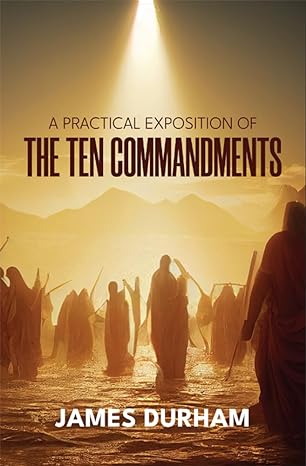
James Durham on the Ninth Commandment

This extract taken from, James Durham,
A Practical Exposition of the Ten Commandments

The Lord having in the foregoing commands us how to walk with others in reference to their honour, life, chastity, and estate: Now, because men and human societies are generally concerned in the observing of truth and ingenuity, he comes to this command to direct us how to be tender of this, that by us our neighbour be not wronged in that respect, but that on the contrary, all means may be used to preserve truth for his good, to prevent what may load [reproach] his name, and remove what lies on it. The scope of it is the preservation of verity and ingenuity amongst men (Gal. 3:9). Lie not to one another; Eph. 4:25, 15 speak every man the truth, etc. and speak the truth in love; because if otherwise spoken, it is contrary to the scope of this command, which is the preservation of our neighbour’s name from a principle of love. The sin, forbidden here is expressed by false witness bearing, which is especially before judges, because that is the most palpable gross way of venting and untruth, under which (s in other commands) all the lesser are forbidden.

Although there are many sorts of sins in words, whereby we wrong others, yet we think that are not all to be reduced to this command, for injurious and angry words belong to the sixth command, and filthy words to the seventh; but we take in here such words as are contrary to truth, and fall especially under lying or wronging of our neighbour’s name. Now truth being an equality or conformity of men’s words to the thing they speak, as it is indeed, and in itself; and lying being opposite there to; we may consider it two ways: 1. In reference to a man’s mind, that is, that he speak as he thinks in his heart (as it is Psa. 15:2), this is the first rule whereby lying is discerned, if our speech is not answerable to the inward conception which it pretends to express, and this is that which they call, formale mendacium, or a formal lie, which is an expressing of a thing otherwise than we think it to be, with a purpose to deceive. Then 2. There must be a conformity in this conception to the thing itself, and so men must be careful to have their thoughts of things suitable to the things themselves, that they may the more falsely express them, and thus when there is a disconformity between men’s words and the thing they seem to express, it is that which they call materiale mendacium, or a material lie, and a breach of this command that requires truth in men’s words, both as to matter and manner.

That we may sum up this command (which is bound) into some few particulars, we may consider it first, as it is broken. 1. In the heart. 2. In the gesture. 3. In right. 4. In word.

First, in heart a man my fail, 1. By suspecting others unjustly: this is called evil surmising (1 Tim. 6:4), or as it is in the original; evil suspicion; which is when men are suspected of some evil without ground, as Potiphar suspected Joseph, or it is jealousy, when this suspicion is mixed with fear of prejudice to some interest we love, so Herod was jealous when Christ was born, and the neighbouring kings when Jerusalem was a-building. There is, I grant, a right suspicion, such as Solomon had of Adonijah, and wherein Gedaliah failed in not crediting Johannan’s information about Ishmael’s conspiracy against his life.
  1. By rash judging and unjust concluding concerning a man’s state, as Job’s friends did; or his actions, as Eli did of Hannah, saying that she was drunk, because of the moving of her lips; or his end. As the Corinthians did of Paul, when he took wages, they said it was covetousness, and when he took it not, they said it was want of love (see Rom. 14:4; 2 Cor. 12:4, etc.).
  2. By hasty judging, too soon passing sentence in our mind from some seeming evidence of that which is only in the heart, and not in the outward practice, this is but to judge before the time, and hastily (Matt. 7:1).
  3. There is light judging, laying the weight of conclusions upon arguments or midses [means] that will not bear it, as Job’s friends did, and as the Barbarians suspected Paul to be a murderer, when they saw the viper on his hand (Acts 25:4). Thus the King Ahaseurus trusted Haman’s calummy of the Jews too soon.
  4. The breach of this command in the heart may be when suspicion of our neighbour’s failing is kept up, and means not used to be satisfied about it, contrary to that, Matt. 18:15, If thy brother offend thee, etc; and when we seek not to be satisfied, but rest on presumptions, when they seem probable.
Secondly, in gesture this command may be broken, by nodding, winking, or such like (and even sometimes by silence) when these import in our accustomed way some tacit sinister insinuation, especially when either they are purposed for that end, or when others are known to mistake because of them, and we suffer them to continue under this mistake.

Thirdly, by writing this command may be broken (as Ezra 5:6; Neh. 6:5). Where calumniating libels are written, and sent by their enemies against the Jews and Nehemiah; in which respect many fail in these days.

Fourthly, but words are most properly the seat wherein this sin is subjected, whether they be only or merely words, or also put in writing, because in these our conformity or disconformity to truth does most appear.
  1. Lies are commonly divided into three sorts, according to their ends: (1) There is mendacium perniciosun, a malicious or pernicious lie, when it is hurtful to another, and so designed, as were the lies those that bare false witness against Christ and of Ziba against Mephibosheth. (2) There is officiosum mendacium, or an officious lie, when it is for a good end, such was the midwives’ lie (Ex. 1:9), thus denying of a thing to be, even when the granting of it would infer hurt and damage to another, is contrary to truth, and we ought not to do evil that good may come of it, and it overturns the end for which speaking was appointed, when we declare a thing otherways than we know or think it to be. And as no man can lie for himself for his own safety, so can he not for another’s; thus to lie even for God is a fault, and accounted to be talking deceitfully and wickedly for him, when to keep off what we account dishonourable to him, we will assert that he may, or may not do such a thing, when yet the contrary is true (Job 13:4, 7). (3) There is jocosum mendacium, when it is for sport to make others laugh and be merry, which being sinful in itself can be no matter of lawful sport to make others laugh. (4) We may add one more, and that is mendacium temerarium, when men lie and have no end before them, but through inadvertency and customary looseness, speak otherways than the thing is, this is called the way of lying (Psa. 119:29), and is certainly sinful; as when they told David when Amnon was killed, that all the king’s sons were killed, being too hasty in concluding before they had tried.
  2. Consider lies or untruths, either in things doctrinal, or in matters of fact. In things doctrinal so false teachers and their followers are guilty, who teach and believe lies, so such teachers are said (1 Tim. 4:2), to speak lies, and so when they foretell vain events, this is a high degree of lewd lying on the Lord, to say he means or says another thing than ever he thought, or than ever came into his heart, and to pretend a commission from him when he gives no such commission. In matters of fact, men a guilty when things are said to be done when they are not done, or otherways done than they are done indeed.
  3. We may consider this sin in men’s practice, either in reference to God, so hypocrisy and unanswerableness to our profession is lying (Psa. 78:36; Isa. 29:13), or we may consider it as between man and man, which is more properly the scope here. Again, we may consider the wronging of am man three ways. (1) By false reports, speaking what is indeed untrue. (2) By vain reports, which tend to his shame; so Deut. 5:20, this command is repeated in these words. Thou shalt not take up any witness (as it is in the original) against thy neighbour. (3) When the reports are malicious, whether they be true or false, and intended for that end that our neighbour may lose his good name. Further, consider it in reference to the person guilty, either as he is, (1) the raiser or carrier of a tale, true or false, yet tending to the prejudice of his neighbour; thus he is the maker of a lie. Or (2) as he is a hearer or receiver of tales (Prov. 17:4); thus he is to lying as a resetter [receiver of stolen goods] is to theft. And would not men hear tales, few would carry them; whereas when men will harken to lies, especially great men, all their servants ordinarily become wicked tale-bearers and whisperers. Or (3) as he is the sufferer (albeit he be not the venter) of a lying tale to pass on his neighbour (so he loves a lie, as it is, Rev.22:8) or but faintly purges him of it, but lets it either lie on him, or possibly takes it up and repeats it again, which is condemned, Psa. 15:3, where a man that takes up an evil report of his neighbour, even when others possibly have laid it down, is looked upon as a person who shall never dwell with God. Thus one invented a lie, another vented and outs it, and a third resets it, like coiners, spreaders and resetters of false money; for, that one said such a thing, will not warrant our repeating it again.          
  4. We may consider wrongs done to our neighbour by words, as unjust and without ground, and so a lie is a calumny; as was that of Ziba, made of his master Mephibosheth; this is in Latin calumnia. Or when there is ground, yet when they are spoken to his prejudice, this is convitium, if especially in this they suffer for the truth’s sake; or if after repentance, former faults be cast up to a person, as if one should have called Paul a blasphemer still, even after his conversion and repentance; of this was Shimei guilty by railing on David.
  5. Both these sorts of lies are either spoken or received, and not afterward rejected, as David too hastily received that false report made of Mephibosheth by his servant Ziba, and thinking it not unlikely, because the reporter made it seem to be so, did therefore conclude it was truth, and did not reject it afterwards; or when at first received, yet after upon better information it is rejected.
  6. Again, this wronging of our neighbour by words is either of him when absent, and is backbiting, which often is done under pretence of much respect (that the report may stick the faster0, in such words as these. He is one I wish well, and should be loath to have him evil reported of, but this is too evident, this is the truth etc; this is susurrare, to whisper. Or it is of him when present, so it is a reproach and indignity, or upbraiding.
  7. Again, this backbiting and reproaching is either direct, so that men may easily know we bait such persons, or it is indirect, granting somewhat to his commendation, and using such prefaces as in show bear our much love, but are purposely designed to make the wound given by the tongue the deeper; such persons are as butter in their words, but as sharp swords in their hearts. This is that dissembling love which David complains of.
  8. Sometimes this reproaching and slandering of our neighbour is out of spleen against him, and is malicious; sometimes out of envy to raise and exalt one’s self on the ruins of another (this is grassari in famam proximi); sometimes it is not of design, thereby to insinuate upon them whom we speak unto, as to signify our freedom unto them, to praise them, or praise them, by crying down another, that is to serve the itching humor of such who love the praise of others, when it may be we know more faults of those we speak to, yet never open our mouth to them of one of these, nor are we free with them anent [about] them if the things are true.
  9. We may break this command by speaking truth, (1) For an evil end, as Doeg did (Psa. 52:2). (2) By telling something that is truth out of revenge. (3) When it is done without discretion, so it shames more than edifies. Christ’s word is (Matt. 18:15). Tell him his fault betwixt thee and him alone; and we on the contrary make it anupcast to him; this is certainly is not right. (4) When it is minced, and all not told; which if told might alleviate; or construed and wrested to a wrong end, as did the witnesses who deponed (deposed) against Christ.
  10. We may break this command, and fail in the extremity of speaking too much good of, or to, our neighbour, as well as by speaking evil of him, if the good be not true, and here comes in, (1) excessive and rash praising and commending of one, [1] beyond what is due, [2] beyond what we do to others of as much worth; this is respect of persons; [3] beyond what discretion allows, as when it may be hurtful to awaken envy in others, or pride in them who are thus praised. (2) Praising inordinately, that is before a man’s self, or to gain his affection, and that possibly more than when he is absent and hears not; much more is it to be blamed when spoken groundlessly. This is flattery, a most evil, which is exceedingly hurtful and prejudicial to human societies, yet exceeding delightful to be flattered. (3) We fail in this extremity, when our neighbour is justified or defended, or excused by us in more or less, when it should not be.
  11. Under this sin forbidden in the command, comes in all beguiling speeches, whether it be by equivocation, when the thing is doubtfully and ambiguously expressed; or by mental reservation, a trick whereby the grossest lies may be justified, and which is plainly of all truth in speaking, when the sentence is but half expressed; as suppose one should ask a Romish priest. Art thou a priest? And he should answer, I am no priest; reserving this in mind, I am no priest of Baal; for by giving or expressing the answer so, an untruth and cheat is left upon the asker, and the answer so conceived does not quadrat [square] with the question as it ought to do, if a man would evite (avoid) lying.
  12. This falsehood may be considered with reference to things we speak of, as buying and selling, when we call a thing better or worse that it is indeed, or then we think it to be. Ah! how much lying is there every day this way with many.
  13. Under this sin forbidden in this command are comprehended, (1) Railing. (2) Whispering. (3) Tail-bearing (spoken of before). (4) The Tattling of busybodies, that know not how to insinuate themselves with others, or pass time with them but by some ill tale of another. (5). Prevarication, which is the sin of persons who are inconstant, whose words go not all alike, saying and unsaying; saying now this way, and then another way, of the same thing, their words clashing together, and they not consisting with themselves.
  14. Consider falsehood or false witness-bearing, as it infers breach of promise, which is forbidden (Psa. 15:4), when one performs not what he promises, or promises that which he intends not to perform, which is deceit and falsehood.
  15. As we may sin in speaking evil against others, so we may in respect of ourselves many ways: (1) When we give occasion to others to speak evil of us (1 Cor. 6:2; 2 Cor. 6:3). (2) When we are not careful to entertain and maintain a good name, and by suitable ways to wipe what may mar the same. It is generally observed, that while men have a good name, they are desirous and careful to keep it; and when they have lost it, they grow careless of it. We ought not to be prodigal of our names more than our lives and estates, for the loss of them incapacitates us much to edify others. (3) When we vainly boast of ourselves, and set forth our own praise; that is, as if a man should eat too much honey (Prov. 25:7). (4) When we will not confess a fault, but either deny, excuse, or extenuate it; this Joshua exhorts Achan to eschew. (5) When we say that things are worse with us than indeed they are, and deny, it may be even in reference to our spiritual condition, somewhat of God’s goodness to us, and so lie against the Holy Ghost. (6) When we are too ready to entertain good reports of ourselves, and to be flattered, there is (if anything) an open door to this in us; and as the heathen Seneca said, Blanditiae cum excluduntur placent, so it may be ordinarily seen that men will seemingly reject what they delight should be insisted in; there is in us much self-love, that we think some way, that men in commending us do what is their duty. Therefore, we often think them good folk because they do so, and men that do not commend us we respect them not, or but little, or at least less than we do others, because we think they are behind in a duty by not doing so; and which is very sad, and much to be lamented, few things do lead us to love or hate, commend or discommend (and that as we think not without ground) more than this, that men do love and commend, or not love and commend us.
  16. We also may by withholding a testimony to the truth, and by not clearing of another, when it is in our power to do it, be guilty of this sin. But especially is forbidden public lying and wronging of another judicially, either in his person, name, or estate, and that:
(1) By judge, when he passes sentence, either rashly, before he hears the matter, and searches it out, which Job disclaims, asserting the contrary of himself (Job 29:16), or ignorantly, or perversely for corrupt ends, as being bribed to it, or otherwise.

(2) By the recorder, writing grievous things (Isa. 10:1), or making a clause in a decree, sentence, or writ, more favourable to one, and more prejudicial to another than was intended.

(3) By the witnesses, who either conceal truth, or express it ambiguously, or refuse to testify, or assert what is not true.

(4) By the advocate, by undertaking to defend or pursue what righteously he cannot; or by hiding from his client that which he knows will prejudge his cause; or by denying it when he asked about it; or not bringing the best defenses he has. And as to the first point here about advocates, it is to be regretted (as a great divine in the neighbour church has most pathetically, according to his manner, lately done) as a sad matter, that any known unrighteous cause should have a professed Christian in the face of a Christian judicatory, to defend it; but incomparably more sad, that almost every unjust cause should find a patron; and that no contentious, malicious person should be more ready to do wrong, than some lawyers to defend him for a (dear bought) feel I speak not here of innocent mistakes in cases of great difficulty; nor yet of excusing a cause bad in the main from unjust aggravations; but (says that great man) when money will hire men to plead for injustice, and use their wits to defend the righteous, and to spoil his cause, and vex him with delays for the advantage of their unrighteous clients. I would not have the conscience of such for all their gains, nor their account to make for all the world. God is the great patron of innocence, and the pleader of every righteous cause; and he that will be so bold as to plead against him, had need of a large fee to save him harmless.

(5) By the accuser or pursuer, when unjustly he seeks what does not belong unto him, or charges another with what he should not, or justly cannot.

(6) By the defender when he denies what he knows, or minces it, etc. And by all of them, when business is delayed and protracted through their respective accession to it, as well as when justice is more manifestly wronged: this is the end of Jethro’s advice to Moses (Ex. 18:23), that the people return home, being quickly, and with all convenient diligence dispatched; which, to their great loss and prejudice many ways, the unnecessary lengthening of processes obstructs, and makes law and lawyers, appointed for the case and relief of the people, to be a grievous and vexatious burden to them; for which men in these stations and capacities will have much to answer to God, the righteous Judge of all the earth, when they shall be arraigned before his terrible tribunal, where there will be no need of leading witnesses to prove the guilt, since every man’s conscience will be in place of a thousand witnesses, neither will the nimblest wit, the [most] eloquent tongue, the finest and smoothest pen of the most able lawyer, judge, advocate, notary or litigant that shall be found guilty there, be able to fetch himself fair off. Oh! Then all the gig leaves of their fairest and most flourishing, but really frivolous pretenes, wherewith they palliate themselves, will be instantly blown away by the breath of the Judge’s mouth, and so be utterly unable to cover the shame of their nakedness in the manifold breaches of his command; then the greatest stretches of wit, and highest strains of eloquence made use of to the prejudice of truth and justice, will be found and pronounced to be poor, silly, and childish wiles, yea, very fooleries and babblings; after which they will not speak again, but laying their hands on their mouths, eternally keep silence. It will therefore be the wisdom and advantage of the guilty in time to take with it, and resolving to do so no more, to betake themselves, for the pardon of it, to that Advocate with the Father, even Jesus the Righteous, who thoroughly pleads, and without all peradventure or possibility of losing it, does always carry the cause he undertakes to plead.

In sum, that which in his command in its positive part is leveled at as the scope thereof, is the preserving and promoting or truth, honest simplicity and ingenuity amongst men; a sincerity and cordially loving regard to the repute and good name of one another; and a sweet inward contentment, joyful satisfaction and complacency of heart therein; with a suitable love to, and care for, our own good name.  Edited by Chris Coldwell

[maxbutton id="117" url="https://keygrowthconsultants.co.uk/" ]
“For the grace of God that bringeth salvation hath appeared to all men,” Titus 2:11
The Virus, the Movement

CONTRIBUTION-THE VIRUS, THE MOVEMENT, AND OUR GREAT LEADER: AN ALLEGORY

Welcome to the “new normal” of America 2020. It is the world of postmodern absurdity that claims as its fundamental tenet that there is no such thing as truth. Of course, the claim itself is a contradiction—if there is no such thing as truth, how can the claim be true? But no matter, nothing—not even logic—can be allowed to interfere with the new orthodoxies of the day. They are the principles of the new world order, principles comprised under the name Worldthink. Permit me to describe the “new normal” of America (and indeed of the world) in 2020. We are now in Year 1 of Our Great Leader (OGL), and the devoted citizens of Area 2 (formerly North America) are rapidly adjusting to the new truth. I am of course applying the terminology of Oldthink: words such as truth, logic, honesty, and God. In Worldthink truth is science, honesty is transparency, God is The Leader. And what of logic? The redefinition of logic has been the biggest challenge for the language committee of Worldthink. As a concept, it has proved most difficult to abolish, not least because they have found, to their chagrin, that you need logic in order to deny logic. This is true because 20 | SWORD AND SHIELD without the law of noncontradiction you cannot, of course, deny any proposition or say that it is false. But the committee assures us that with the input of leading “thinkers” from Harvard, Princeton, and Berkeley they will soon have a fix for this troublesome concept. The victory of The Movement, leading to the creation of The Community, was stunning. Many in what was formerly known as the Western World were bewildered, even shocked, at the speed of events and the absolutely sweeping character of The Movement’s victory. In the space of just three months, the old order, characterized by private enterprise, constitutionalism, nominal Christianity, and private property, was overthrown. While many of the older generations, who clung to the culture and practices of the old order, were genuinely shocked at the speed of its demise, not so millennials and Generation Z. They were always in the vanguard of The Movement. Specifically, white middle-class, college-educated millennials and Generation Zs were the stormtroopers of The Movement. After all, they had been assiduously groomed and indoctrinated in Worldthink the whole way through public school and college. Even in the so-called Christian colleges, through the vehicles of their state-mandated “diversity departments,” these young people had been taught at least to tolerate the new world order and its way of thinking—Worldthink. This was manifest, to the great pleasure of the thought leaders of The Movement, in the abundance of Coexist and Tolerance bumper stickers in the parking lots of Calvin and Hope universities. Such outward displays of the youths’ devotion and loyalty to the principles of Worldthink reached their zenith in the summer of 2020, when, at the command of Our Great Leader, it was not uncommon to witness these devotees persistently adorned with face masks while they were outdoors in conditions of 90-degree heat and extreme humidity! A truly religious fervor (if only “religion” was comprised under Worldthink). During late May and June, the elite troops of The Movement spearheaded the final push to victory. In what The Movement now celebrates as The June Days, the soldiers of Black Lives Matter (BLM) swept away all remaining outposts of old order resistance. No institution of Western society could withstand their assaults. When the last president of what was known as the USA sent his best forces against them, it was all to no avail. So invincible were the soldiers of BLM that the forces sent against them ended up taking the side of BLM. This was evinced in the spectacle of police chiefs’ “taking a knee” with BLM and in some cases joining its marches. These elite troops quickly overcame any remaining old order resistance: police stations were burned down and their officers committed to reeducation programs; corporations were forced to espouse the principles of Worldthink, and those who refused had their buildings burned down and property looted; the halls of academia enthusiastically joined the volunteers of BLM (having long been infiltrated with the principles of Worldthink anyway). Such was the irresistible power of The Movement manifested in BLM that churches rushed to display BLM signs alongside their rainbow flags. Not only could no institution of Western society withstand their assaults; neither could any symbol of the old order. In common with every revolution, the symbols of the old order were replaced with those of the new. In those heady days of June and July 2020, down came all the symbols of the old, corrupt, racist, patriarchal, capitalist, heteronormative society. Statues of such racist, patriarchal fiends as George Washington and Thomas Jefferson were enthusiastically thrown down all over the former USA. Streets, buildings, cities, and schools bearing their names were all renamed after the heroes of this new revolution. Preceding the removal of such symbols, and as a softening-up exercise, had been the removal of statues of former generals in the South of the former USA, men whose names are deemed by The Movement so intolerable as to warrant their complete expunging from the lexicon of Worldthink.

The Virus
In addition to, and in parallel with, the assiduous efforts of white, middle-class, college-educated millennials and the doctrinal zealots of BLM, there was another factor operating for the destruction of Western society. It was an insidiously clever tactic, insidious in that it clothed its real aim in the garb of compassion. It was “the virus.” More precisely, it was the responsFchristianse to what was called the virus. That there was some kind of virus infecting populations of the world was not in dispute. That it severely affected some people with respiratory ailments and those with weakened immune systems was not in dispute. What was in dispute was the mortality rate—the proportion of those testing positive who died of it. Sometime around mid-March of 2020, Western governments became concerned about the spread of the COVID-19 virus. They were concerned about how quickly this “new” virus was spreading to their countries from China. The fact that it spread from China seemed to add to the threat, with various conspiracy theories circulating around this fact. But whatever the source of the virus, the thought leaders of The Movement quickly recognized it as a powerful tool in their arsenal. The Movement had for the longest time been inculcating its worldview—Worldthink—in the public education system and especially the colleges. We shall give more attention to this worldview later, but for now suffice it to say that one tenet of Worldthink became incredibly SWORD AND SHIELD | 21 potent in The Movement’s use of the virus: science is truth. Do not underestimate the power of this tenet. One underestimates the power of the belief that science is truth at one’s peril. Alas, how the Western world was brought to abject submission and sniveling obeisance before the great god of science as in a moment. One after another, The Movement paraded the high priests and prophets of science. There they were, seemingly ubiquitous: on the TV screen, the radio, social media, and the printed page. They were there with their intense frowns, their dire predictions of millions of deaths, their prophecies of ravaged bodies and strewn corpses, of hospitals overrun and healthcare systems collapsing, and all backed up with figures and data. Oh yes, data. Scientific data. Scientific models predicting two million deaths from the virus in the USA alone. And who, WHO could possibly gainsay or question the data? For after all, science is truth. Nothing and no one could stand before “the science.” Such had been The Movement’s success in inculcating Worldthink that no one seemed able to articulate any alternative. The right to private property that had existed since the Magna Carta almost a millennium ago was an immediate casualty. At first it was restricted, then abolished. At the commencement of “the virus,” surrounded as always by the scientific and medical “experts,” OGL solemnly pronounced in grave and urgent tones, “In the face of this deadly virus that will undoubtedly wipe out countless millions, we must shut down the economy. This is necessary to prevent the spread.” In support “the experts” brought forth graphs showing steeply rising infection rates and mortality rates in the millions. Their consensus was that we must limit the spread by lockdown and social distancing. We must, they said, have a twoweek lockdown. Some doubted that a whole economy could be shut down and reopened in two weeks, but OGL had said so, and that was enough for most people. The economy was duly shut down, and within three weeks most people seemed to forget the facts of almost full employment and a booming economy. The right to own a business and collect the profits thereof is part of the right to private property. Free enterprise had been a bedrock of the previous world order. It was essential to individual freedom that one could use his God-given abilities to develop a business, run it on the profit motive, and then enjoy the fruits of his labor as he chose. The Movement understood this very well. As devoted disciples of Karl Marx (one of their founding fathers), they understood the need to get rid of private property if they were ever to realize The Community— their new world order in which everyone is beholden to the State. But try as they might, the realization of The Community had proved elusive. It had worked for a while in the Soviet Union and in China, but they could never seem to establish it in the West. Now, with the virus, they saw their chance and seized it. Having been taught the scientific worldview for a hundred years, the people believed the experts. They would not have believed politicians telling them to shut down the economy, but the word of medical experts… who could possibly gainsay it? Some protested. They were business owners who watched their life’s work go to ruin. As the two weeks became four and then six, some owners tried to reopen, only to be visited by The Public Safety Committee. The offenders were heavily fined. Condemned as “greedy capitalists” who imperiled public safety, these offenders were publicly shamed on social media. The worst were handed over to The Doctrine Committee of The Movement for, as it was termed, “additional instruction in the principles of Worldthink.” The principles of Worldthink were now applied to economics. The Economic Committee announced the new principles on which the economy would now be organized. There would be common ownership of the means of production; the principle of the market (the profit motive) was declared illegal. This was all necessary—we were assured—in order to deal with the virus. Ah, yes, the virus, what changes hath it wrought! The word went out: “We must shut down the economy in order to stop the spread of the virus, and then The Economic Committee will decide when and under what circumstances it can be reopened.” We were assured the economy must be put on a completely new footing in order to deal with the virus, and only The Movement could be trusted with it again. If I may attempt to interpose a modicum of sanity at this point, it might seem somewhat absurd and illogical to shut down an economy because some people are sick; it is akin to saying, “I didn’t buy any turnips today because the apples were bad.” But remember we are now in a postmodern world where the rules of logic no longer apply, or at least where truth is just whatever you want to make it. It is a world where dentists and engineers are deemed “non-essential,” but abortion clinics are “essential.” But we must delve back into the insanity of our brave new world. There was much talk of the evils of social and economic inequality and how the new system would “share the wealth.” The Economic Committee quickly began sharing the wealth by issuing what were called “stimulus checks” to all the people who had lost their jobs (more accurately, all those who had been put out of work). This measure was hailed as “fair,” “compassionate,” “necessary.” It won the masses to the cause of The Movement, not least because people soon realized they were better off sitting at home than working. The measure was so popular, in fact, that it was decided just to give everybody 22 | SWORD AND SHIELD three thousand dollars. Everybody wondered why economic policies so agreeable and generous had not been thought of before and were quickly assured that it was all a testimony to the genius of OGL. And so the new economic system was established. It was known as “the collective system” or “the communitarian model.” The profit motive was castigated as corrupt and owning private property egregious. Only the leaders of The Movement and their friends—the politicians and leaders of the big corporations (they being unquestionably orthodox in the principles of Worldthink)—could be trusted to use their property and wealth for the interests of The Community. Some people scratched their heads and wondered about this, thinking it a contradiction. They were referred to The Doctrine Committee, who soon remedied their concerns. It was understood that The Movement would decide who could buy and sell. Only those who espoused the aims of The Movement and who confessed OGL as their mighty deliverer and savior could find a job. And only those who confessed this and displayed his Diversity, Equality, and Inclusion Commandments were permitted to run a business. This the Christians refused to do. Hence, Executive Order 499 was promulgated: “Those who refuse to confess OGL as their savior, neither will display his holy commandments, are forthwith excluded from all economic participation.”

The Christians
There were some who remembered there had once been another source of truth. At one time, before The Movement and The Age of Enlightenment, it was widely believed there was a book called the Bible. At that time, many believed this book to be the very word of God. They believed the Bible was a miracle of inspiration by which God spoke his own words through men. As such, they held it to be the supreme authority for what they were to believe and how they were to live. These people were called Christians because they followed the one revealed in the Bible, Jesus Christ. There were still some of these people around during the revolution that brought The Movement to power. They refused to join the revolution and stoutly opposed it. But they were soon criminalized, no place being found for them in The Community. Their crimes were legion, but among the worst was their outspoken opposition to Worldthink, closely followed by their insistence on meeting for public worship during “the virus.” The latter led to widespread and hysterical denunciations of them all over social media as dangerous radicals who threatened the safety of The Community. Pictures of them, meeting in public! indoors! unmasked! with no number limit! featured in every social media feed and headline. Then there were the headlines screaming their heretical pronouncements: “Jesus Christ is king over all”; “We reject The Leader as antichrist”; “The Bible, not science, is truth”; “Pestilence is a sign of Christ’s coming: repent and believe the gospel!” The populace was shocked! Stunned! Outraged! Aghast! “What need we any further witness? For we ourselves have heard from their own mouths,” they concurred. The demand and petition arose to The Leader, “We would be rid of these Christians!” A loud and incessant demand, everywhere repeated, social media abuzz with it, flashed across every LED screen, hysterically chanted during morning and evening “community times.” What could The Leader do but accede to the loud and impassioned pleas of his people? And so Executive Order 501 was promulgated. The Christians were silenced; their places were found no more. In addition to the Christians, a few others raised their voices against the science of The Movement. That there could be, and in fact were, other scientific models put forward as an explanation for the spread and course of the virus mattered not. There was, for example, the model of herd immunity. As with any virus, once a population is infected it builds an immunity to the virus. It seemed that the low incidence of COVID-19 in California, when other parts of the USA were recording high rates in March and April 2020, was linked to the high incidence of flu-like symptoms there in November and December 2019. The argument was that California had COVID-19 before the rest of the nation and had herd immunity. This would then explain why it recorded markedly lower rates of infection in March and April. This is a viable explanation of the course of the virus. So why would it not then gain widespread acceptance? The repudiation of the therapeutic drug hydroxychloroquine could also be mentioned as evidence of the misuse and abuse of scientific knowledge—the use of this drug did not fit the political agenda. The reason the theory of herd immunity gained no traction is simple: it advances no political, globalist agenda. The very plausible theory simply says, “Leave it to the body.” A healthy human body has its own incredibly advanced defense system against invaders. It is called the immune system. But The Movement saw early how fears of a putative worldwide pandemic could be harnessed to its agenda. The Movement sent out its missionaries, carrying the gospel of science to every quarter of the globe. They preached dogmatically their sermons of scientific data. They warned their terrified listeners to flee the wrath of the virus to their own homes, where they were to “self-quarantine” for weeks. But above all, they pointed the distressed and comfortless citizens to Our Great Leader as the object of their trust.

The Emergence of The Leader
Our Great Leader assumed power on an unprecedented wave of hysteria that crashed over the Western world during the spring of 2020. The dire assessments and predictions of the scientists and the medical bureaucracy had their desired effect. The populations were warned of their impending doom if they did not put their complete trust in OGL. In his daily appearances, surrounded by “the experts,” our Leader assured the cringing populations that if only the people would adhere without question to his prescribed measures, all would be well. Upon the conclusion of his speeches, all the people dutifully responded, “All this we will do.” Always following him to the podium were “the experts.” Yes, the experts. They were the high priests and prophets of science. They would bring forth their divine revelations of data. Data! Scientific data! Oh, the words themselves have such mesmerizing power! Who, pray WHO, can stand before them? The Leader was quick to formulate, announce, and enforce the new doctrines of society. The speed with which the people accepted and imbibed these new orthodoxies was truly astonishing. Who could have imagined that within the space of barely three months the old order, which had existed largely intact for the best part of a millennium, could be swept away? It was as if the Western ideals of individual freedom, limited government, nation states, free enterprise, and Christianity had never existed. Instead of faith, family, and freedom, the watchwords became science, community, and safety. From the youngest child to the senior, these watchwords [SCS] became their creed. On every billboard, credit card, and identification card the letters SCS were emblazoned over the seemingly benign face of our Leader. But The Leader would draw closer still, for not only did he become our Leader; he became also our guardian and protector. Such was the people’s love and devotion to him for delivering them from the virus (some even declared it to be miraculous) that, overcome with emotion, they enthusiastically acclaimed Executive Order 500: “It is hereby proclaimed by Our Great Leader, and as a token of his undoubted care and unfailing affection for his people, that together with SCS his face become the image on every personal device home screen.” With one accord the people acclaimed this as indubitable evidence of The Leader’s extraordinary wisdom and benevolence. For now, every time we open our devices to learn the principles of Worldthink and to receive with joy the proclamation of the latest executive orders, we are reminded of Our Great Leader and his unfailing care. After all, our Leader had saved the Western world. As the director of the World Health Organization, he had stepped forward in the hour of need: “Cometh the hour, cometh the man.” Indeed, and what an hour! For some time, the people had been subjected by their media to dire warnings of imminent war with China. But now the virus. Millions would certainly die. In the United Kingdom alone the “experts” predicted a million deaths (in a country of fifty-six million). The cry arose, “Peace and safety.” This was the hour, but what of the man? Fostered by the dire prophecies of the scientists and a hysterical media with its constant and breathless reports of “spikes” and “surges,” the cry of the hapless populace became a demand. “We must take action; we must limit the spread; we must do all in our power; we must have lockdowns; we must have executive orders (hundreds of them); we must have masks…and we must have someone.” Ah, yes, the cry for someone. It is the cry of man from the beginning. It is the cry for a Nimrod, a Nebuchadnezzar, a Caesar, a pope, a Napoleon, a Lenin, a Hitler, a president. It is the cry of man for a man; for a man of extraordinary genius who can alleviate all mankind’s ills by establishing the worldwide kingdom of man. It is a cry that is as old as history itself. And herein lies part of the explanation for the clamor for Our Great Leader: only those who have learned history understand that all previous attempts at world rule have ended in misery and the deaths of millions. But the schools of the West had long ago eschewed the teaching of history. In the place of the broad sweep of world history they substituted themes: themes such as black history, women’s rights, and social justice. And now in Year 1 of OGL, world history is replaced by the history of The Movement. But the real explanation—the one determining and lying behind all others—is that of the Bible, namely that a sovereign God, according to his eternal purpose, raised up The Leader. The real name of The Leader is antichrist. There were some who understood this and who identified The Leader as antichrist. They proclaimed this publicly (it was known then as preaching), but with the same general clamor and hysteria that elevated The Leader, they were denounced as disturbers of the peace. For after all, we must have peace and safety! “For when they shall say, Peace and safety; then sudden destruction cometh upon them, as travail upon a woman with child; and they shall not escape” (1 Thess. 5:3). —Philip Rainey

https://reformedbelieverspub.org/

“For the grace of God that bringeth salvation hath appeared to all men,” Titus 2:11