Prayer out of Out of Soul-Depths

“Lord, hear my voice: let thine ears be attentive to the voice of my supplications.” Psalm cxxx.2

SEASONS of soul-depths are ever seasons of heart-prayer in the Christian’s experience. At no period does the divine life of the regenerate so strongly and triumphantly vindicate its nature, and assert its reality and power, as then. This was the case under consideration. “Out of the depths have I cried unto thee, O Lord.” That must indeed be a “depth,” a soundless depth of spiritual despondency, in which the soul is either debarred from prayer, or is so imprisoned, that it cannot send up its cries to God. But this was not the case of David. He gave himself immediately and unreservedly to prayer. “I cried unto thee, O Lord.” What irrefragable evidence he affords of the existence of that spiritual life in the living soul which cannot die; of that faith in the believing soul which cannot be repressed; of that divine love in the loving soul which many waters cannot quench! Communion with God is the outbreathing of the quickened soul, and no distance can arrest, or condition stifle it. “From the end of the earth will I cry unto thee, when my heart is overwhelmed” Deep exercise of soul is often God’s mode of rousing the slumbering spirit, and quickening the sluggish energy of prayer. Its potency and pre-eminence are only learnt to any great extent when faith is tried, and the heart is overwhelmed, and the soul is plunged into great “depths.” But, sink the soul as it may, the arrow of prayer-feathered with a divine promise, springing from the bow of faith, and winged by the power of the Spirit-will overcome every obstacle, pierce every cloud, and fasten itself upon the throne of the Eternal God. Was not this the experience of Jonah? “I cried by reason of my affliction unto the Lord, and He heard me; out of the belly of hell (his watery grave) cried I, and thou heardest me.”   But a greater than Jonah shall testify. Were there ever such fathomless soul-depths as Christ’s, when, as their Divine Substitute, He bore their sins, endured their curse, and suffered the wrath of God on behalf of His people? “Save me, O God; for the waters are come in unto my soul. I sink into deep mire where there is no standing.” Behold he prayeth! And as He advanced into the tornado of the curse, the storm thickening and darkening around Him-as He sank deeper and yet deeper into the mountain billows of divine wrath-the huge breakers surging and foaming around His holy soul-as He exhausted drop by drop ‘the cup of trembling,’ until the very lees touched His quivering lips,, Lo! “HE PRAYED MORE EARNESTLY!” The intensity of His prayer rose with the agony of His spirit; its earnestness gathered strength with the anguish of His soul. “Being in an AGONY He PRAYED more earnestly.” Sinking, suffering saint, learn the secret of your support! “He prayed more earnestly.” Who in the days of His flesh, when He offered up prayers and supplications with strong crying and tears unto Him that was able to save Him from death, and was hard in that He feared.” Go thou and do likewise. Pray-pray-PRAY Out of the depths of your difficulty, your want, yoursorrow, cry mightily unto God. There is no ‘depth’ so profound, no darkness so dense, no want so pressing, or perplexity so great, but from it you may cry unto God, the Lord inclining His ear to the softest, faintest breathing of your soul.  “For this shall every one that is godly pray unto thee in a time when thou mayest be found: surely in the floods of great waters they shall not come nigh unto him.” Cries out of the depths of soul-distress have a peculiar eloquence and an irresistible success with God-just as the plaintive wail of sick and suffering child reaches and penetrates a parent’s heart more quickly and more deeply than all others. It is a beautiful thought embodied in the Psalmist’s prayer: “My soul hangeth upon God.” Look for a moment at the Object upon which the believing, sinking soul thus hangs. It is upon DEITY. The world around is hanging upon every object but God. Some are hanging upon self, some upon their wealth-some upon their intellectual powers-some upon their bodily strength-some upon their long life-some upon the creature-some upon their own righteousness; all are hanging upon some object below Christ and God.  How frail and fatal the support! Soon the prop bends-the stirrup breaks-the fulcrum yields-the sands glide away-and great is the fall of him who suspended upon such created and fragile support his happiness in this life, and his hope of the life that is to come. But, the believing soul, though a desponding and sinking soul, hangs upon God. Listen to the language of David: “O God, thou art my God; early will I seek thee: my soul thirsteth for thee, my flesh longeth for thee in a day and thirsty land, where no water is. Again: “Whom have I in heaven but Thee? And there is none upon earth that I desire beside Thee.” This is the support of every gracious soul; and he who hangs not upon this divine support, hangs upon nothing. Listen to Jehoshaphat’s prayer in his distress, when the mighty host of the Ammonites came against him to battle. See how he hung ‘upon God! “O our God, wilt thou not judge them? For we have no might against this great company that cometh against us; neither know we what to do: our eyes are upon Thee.” And the Lord delivered them into his hand that day, and all that he did was to stand and see the salvation of the Lord. And thus was it with Asa. Oppressed by a powerful enemy, too strong for his scanty forces, he thus hung upon God in his extremity. “Lord it is nothing with thee to help, ‘whether with many, or with them that have no power.” And what a “nail in the sure place” is the Lord Jesus Christ, the sure, spiritual Eliakim, upon whom the soul may hang its sins, and sorrows, and hope of glory. “I will fasten him,” says the Father, “as a nail in a sure place…And they shall hang upon him all the glory of his father’s house…all the vessels.” Sin-burdened soul, sinking into depths of guilt and despair, come; and hang in faith upon this Divine, this most sure nail,” and thou shalt be saved! Hang upon Him as a personal Saviour! Hang upon His blood to cleanse, upon His righteousness to justify, upon His grace to subdue, upon His fullness to supply, upon His willingness and power to save to the uttermost extent of your sin and guilt. Hang upon God-upon His strength to deliver you, upon His wisdom to counsel you, upon His love to comfort you, upon His infinite resources to meet your every want; and your song shall be-

(The Spiritual Life by Octavius Winslow) Chapter II

“For the grace of God that bringeth salvation hath appeared to all men,” Titus 2:11

Daily Light

Your work of faith.

This is the work of God, that ye believe on him whom he hath sent.

Faith, if it hath not works; is dead, being alone.-Faith…worketh by love.-He that soweth to the flesh shall of his flesh shall of the flesh reap corruption; but he that soweth to the Spirit shall of the Spirit reap life everlasting.-We are his workmanship, created in Christ Jesus unto good works, which God hath before ordained that we should walk in them.-Who gave himself for us, that he might redeem us from all iniquity, and purify unto himself a peculiar people, zealous of good works.

We are bound to thank God always for you, brethren, as it is meet, because that your faith growth exceedingly, and the charity of every one of you all toward each other aboundeth…Wherefore also we pray always for you, that our God would count you worthy of this calling, and fulfill all the good pleasure of his goodness, and the work of faith with power…It is God that worketh in you both to will and to do of his good pleasure.
________
1 Th. 1:3; Jn. 6:29; Jas. 2:17; Ga.5:6; Ga. 6:8; Eph. 2:10; Titus 2:14; 2 Th. 1:3, 11; Phil. 2:13.
________

“For the grace of God that bringeth salvation hath appeared to all men,” Titus 2:11

Westminster Confession of Faith Chapter. xxi. –

Of Religious Worship, and the Sabbath-day.

I. The light of nature shows that there is a God, who has lordship and sovereignty over all, is good, and does good unto all, and is therefore to be feared, loved, praised, called upon, trusted in, and served, with all the heart, and with all the soul, and with all the might. (Rom. 1:20, Acts 17:24, Psalm 69:68, Jer. 10:7, Psalm 31:23, Psalm 18:3, Rom. 10:12, Psalm 62:8, Josh. 24:14, Mark 12:33) But the acceptable way of worshiping the true God is instituted by himself, and so limited by his own revealed will, that he may not be worshiped according to the imaginations and devices of men, or the suggestions of Satan, under any visible representation, or any other way not prescribed in the Holy Scripture. (Deut. 12:32, Matt. 15:9, Act 17:25, Matt. 4:9-10, Deut. 15:1-20, Exod. 20:4-6, Col. 2:23)

II. Religious worship is to be given to God, the Father, Son, and Holy Ghost; and to him alone;(Matt. 4:10, John 5:23, 2 Cor. 13:14) not to angels, saints, or any other creature: (Col. 2:18, Rev. 19:10, Rom. 1:25) and, since the fall, not without a Mediator; nor in the mediation of any other but of Christ alone. (John 14:6, 1 Tim. 2:5, Col.3:17)

III. Prayer, with thanksgiving, being one special part of religious worship, (Phil. 4:6) is by God required of all men: (Psalm 65:2) and, that it may be accepted, it is to be made in the name of the Son, (John 14:13-14, 1 Pet. 2:5) by the help of his Spirit,(Rom. 8:26) according to his will, (1 John 5:14) with understanding, reverence, humility, fervency, faith, love, and perseverance; (Psalm 47:7, Eccl. 5:1-2, Heb. 12:28, Gen. 18:27, James 5:16, James 1:6-7, Mark 11:24, Matt. 6:12-15, Col. 4:2, Eph 6:18) and, if vocal, in a known tongue. (1 Cor. 14:14)

IV. Prayer is to be made for things lawful; (1John 5:14) and for all sorts of men living, or that shall live hereafter: (1Tim. 2:1-2, John 17:20, 2 Sam. 7:29, Ruth 4:12) but not for the dead, (2 Sam. 12:21-23,Luke 16:25-26, Rev. 14:13) nor for those of whom it may be known that they have sinned the sin unto death. (1 John 5:16)

V. The reading of the Scriptures with godly fear, the sound preaching and conscionable hearing of the Word, in obedience unto God, with understanding, faith, and reverence, singing of psalms with grace in the heart; as also, the due administration and worthy receiving of the sacraments instituted by Christ, are all parts of the ordinary religious worship of God: beside religious oaths, vows, solemn fastings, and thanksgivings upon special occasions, which are, in their several times and seasons, to be used in an holy and religious manner.

VI. Neither prayer, nor any other part of religious worship, is now, under the gospel, either tied unto, or made more acceptable by any place in which it is performed, or towards which it is directed: but God is to be worshiped everywhere, in spirit and truth; as, in private families daily, and in secret, each one by himself; so, more solemnly in the public assemblies, which are not carelessly or wilfully to be neglected, or forsaken, when God, by his Word or providence, calleth thereunto.

VII. As it is the law of nature, that, in general, a due proportion of time be set apart for the worship of God; so, in his Word, by a positive, moral, and perpetual commandment binding all men in all ages, he hath particularly appointed one day in seven, for a sabbath, to be kept holy unto him: which, from the beginning of the world to the resurrection of Christ, was the last day of the week; and, from the resurrection of Christ, was changed into the first day of the week, which, in Scripture, is called the Lord’s day, and is to be continued to the end of the world, as the Christian sabbath.

VIII. This sabbath is then kept holy unto the Lord, when men, after a due preparing of their hearts, and ordering of their common affairs beforehand, do not only observe an holy rest, all the day, from their own works, words, and thoughts about their worldly employments and recreations, but also are taken up, the whole time, in the public and private exercises of his worship, and in the duties of necessity and mercy.

“For the grace of God that bringeth salvation hath appeared to all men,” Titus 2:11

The LORD my Provider “The Lord is my portion, says my soul.”

“And my God will supply all your needs according to his glorious riches in Christ Jesus.” Philip. 4:19

The anxious care of yesterday has expanded into the pressing need of today. The trouble that was near has come, and the need you anticipated is urgent. Be it so. The life God intends His people should live is not one of sight but of faith, not one for tomorrow but for today. For the most part, He will allow them to have nothing in hand, lest it should mar the simplicity, and so interfere with the operation of their faith. Like the poor widow whose little oil God increased by Elisha, we are often led to exclaim–“Your handmaid has nothing in the house but a jar of oil.” Our dear Lord recognized our daily life of faith, by teaching us to offer the daily prayer, “Give us this day our daily bread.”

The apostle wrote these words in grateful acknowledgment of a gift of love he had just received from the Philippian saints. He had ministered to them of his spiritual things, and they, in return, ministered unto him of their temporal things, “an odor of a sweet smell, a sacrifice acceptable and well-pleasing to God.” And now, as if conscious of his inability to make them any adequate return in kind, he instructs them in a truth, and breathes for them a prayer, most precious–“And my God will supply all your needsaccording to his glorious riches in Christ Jesus.”

Let your soul anchor itself on this truth, “God is my God,” and though the winds may blow, and the billows surge, and the sky darken, you shall not be moved. Needs may be great and urgent, claimants harsh and pressing, resources clean gone, yet, if the believing soul can take hold of God, and claim its interest and proprietorship in Him, none of these things shall move it. And God is your God, O my soul! Your God in an everlasting covenant, your God in Christ Jesus, your God in a thousand troubles past, your God and your Guide even unto death.

God is as pledged as He is able to supply all our temporalneed. He would have us recognize and deal with Him as the God of providence equally as the God of grace. The divine promise is, “Your bread and your water shall be sure.” Has He ever failed you? He may have brought you to an extremity–the barrel of meal and the cruise of oil well-near exhausted–“not anything in the house but a jar of oil”–yet He knows your need, and at the last will appear and supply it. Faith may be sharply tried, but it shall surely triumph in the end. “Gad, a troop shall overcome him–but he shall overcome at the last.” There may be a present and a temporary defeat of faith in its battle with trying and afflictive circumstances, but, like the tribe of Gad, it “shall overcome at the last.” God shall supply all your temporal needs according to His covenant engagement and inexhaustible resources. Only trust Him.

Above all, is the Lord our spiritualProvider. If He provides for the body, most assuredly, and yet more richly and amply, will He provide for the soul. “There is grain in Egypt.” There is the raining manna and the gushing rock in the desert. All the supplies of the covenant of grace, all the fullness that is in Christ Jesus, all the boundless resources of the Triune Jehovah, are for the needs of the believing soul. You need more faith–Jesus is its Author, and He will increase it. You need more grace–out of His fullness you may draw ‘grace for grace,’ or, as it is in the Greek–wave on wave. You need more love–feed its waning flame at the altar of His, and while you are musing on His wondrous love, the fire of yours shall burn. Thus take all you need to your Heavenly Provider, and He will supply it–not according to your stinted desires, or unbelieving expectations, or personal deserts–but, “according to his glorious riches in Christ Jesus.”

“What need shall not our God supply
From His abundant store;
What streams of mercy from on high
An arm almighty pour?

“From Christ, the ever-living spring,
Those ample blessings flow;
Prepare, my lips, His name to sing
Whose heart has loved you so.”

Grace Gems
“For the grace of God that bringeth salvation hath appeared to all men,” Titus 2:11

The Power of Death to Sin

How shall we, that are dead to sin, live any longer herein? – Rom. 6:2

What shall we say then?

Shall we continue in sin that grace may abound? With this very serious question, that really implies an indictment against freely justifying grace, the sixth chapter of the epistle to the Romans begins.

There was reason for the question.

The truth of God’s gracious act of justifying the ungodly had been set forth in the preceding chapters of the epistle. The glorious gospel that in the blood of the cross there is the power of justification for sinners that are, in themselves, damnable, had been explained. It is the truth that a man is lost in himself, and that a far as his works are concerned, there is no way out, no hope of obtaining righteousness.

The wrath of God is revealed from heaven upon all unrighteousness and ungodliness of men that hold the truth in unrighteousness. There is, in this respect, no difference between Jews and the Greek: all have sinned and come short of the glory of God.  Nor is there any hope in the works of the law. By the works of the law no man shall be justified before God, for only the knowledge of sin is by the law. Man’s case, therefore, is hopeless. Whatever he may do, he remains a damnable sinner before the tribunal of God.

But God revealed another an altogether new righteousness, possessing which the sinner is justified, so that his sins are blotted out, he is declared worthy of life and has peace with God. This righteousness is not of man, but of God; it is not of works, but of grace; it is not through the law, but by faith in Jesus Christ. In Him this righteousness is revealed. He obtained it for all His own, by His perfect obedience even unto death, yea, the death of the cross. He bore our sin, He took our place in judgment. He suffered the wrath of God in our stead. He died our death. And so He blotted out the guilt of all our transgressions, and merited for us a righteousness that makes us worthy of eternal life and glory.

This righteousness is imputed to us, freely, by grace; and we receive it by faith only, and even this is of grace for it is the gift of God. Our works have no part in this righteousness. Our good works cannot add to it, or render us more perfectly righteous: it is perfect in itself. Nor can our sins render us unworthy of this righteousness: no matter how great or how many our sins may be, in Christ. We are unchangeably and perfectly righteous before God. For “as by the offence of one judgment came upon all to condemnation, even so by the righteousness of one the free gift came upon all men unto justification of life.” And again: “as by one man’s disobedience many were made sinners, so by the obedience of one shall many be made righteousness.” (Rom. 5:18, 19).

Such is the power of the cross.

On the aspect of the power of the cross we concentrated our attention in the proceeding chapters of the book. The Word of the cross is the power of God unto salvation; by its power we are redeemed from the curse of the law, reconciled to God, delivered from the dominion and fear of death, and our conscience is purged from dead works. Sinners though we be in ourselves, we are righteous before God; damnable though our state may be, in Christ we are justified; the handwriting of God through the blood of Christ, inscribed in our conscience, declares us as righteous, as if we never had committed any sin, yea, as if we personally had paid the penalty for our sins, and kept all God’s commandments ever since!

But does not this doctrine make men careless and profane?

Is there no room, then for the question: “What shall we say then? Shall we continue in sin, that grace may abound?”

The question, it would seem, follows very normally and, what is more, it would appear as if the answer suggested is the only possible and logical conclusion from the doctrine of free justification: let us continue in sin, that grace may abound. The more we sin, the more we create the situation in which grace may truly shine forth in all its glory. By continuing in sin, it would seem, we serve the cause of grace. Let us, then, fathom the depth of sin, that we may taste the fullness of grace.

The opponent of the truth of sovereign grace, and of free justification through grace in Christ, without works, often claim that this is the only possible inference that follows logically from this doctrine. It makes men careless and profane. It offers them an indulgence to sin. Nay, what is worse, it changes sin into a virtue, since it becomes a means to extol the grace of God. You teach, they say, that we are justified before God without works. No matter how deeply and grossly we sin, we ae righteous before God. Righteousness is simply imputed to us. Good works are not its ground: they cannot add to our righteousness. Sin cannot change it: though our sins are as scarlet, though they cry to heaven, in the judgment of God we are declared righteous. Well, then, say they, it us continue in sin: that is the only possible conclusion you can draw from such a doctrine. If it does not make a particle of difference in the judgment of God whether we sin or do good works, by all means let us sin, for this has, as at least the advantage that it brings into bright relief the glory of God’s forgiving mercy.

Thus the opponents of Paul’s day, and the enemies of the so-called “blood theology” of modern times argue against the Scriptural truth of free justification through the blood of the cross, in order to demonstrate the absurdity and pernicious nature of this doctrine. Nor need we deny that, if their argument were correct, and their conclusion true, if it were the tendency of the cross  of Christ to render men secure in their sin, to make men careless and profane, the truth of free justification could no longer be a cause for glorying. In that case, it would indeed be a dangerous doctrine. Then the cross of Christ would be made of none effect.

But they that thus oppose the truth only speak in their ignorance. They have not experienced, neither do they understand the marvellous power of the cross.

For rather than causing men to rest secure in their sin, seeing they are justified without works, so that they become careless and profane in their walk and conversation, the power of the cross has the effect that it causes men deeply to abhor sin, to repent in dust and ashes, and to walk as children of light in the midst of the world. To verify this, just ask, not the enemies of the cross of Christ, but those that have experienced the power of the blood of Jesus unto their justification, and that know what it means to be justified freely by His grace. Ask them, if they have any confidence in their own works as a ground of their righteousness before God, and they will assure you that all their boasting is in the cross of Christ, and in the atoning power of His blood. To them, all other ground is sinking sand. They utterly repudiate it. But again, ask them whether this exclusive confidence in the cross as the ground of their righteousness, does not have the effect upon them now they become careless and profane, induces them to draw the conclusion that it is profitable to continue in sin that grace may abound, and they will reply with holy indignation and abhorrence: God forbid! They will assure you that the power of the cross, as they experienced it, bore the very opposite fruit: it caused them to abhor sin, so eschew it, to flee from it to fight it with all their might. Through the cross they have become the enemies of sin. And for nothing they long for more fervently than to be delivered from the defilement of sin finally and completely. “Live in sin?” they will say, rather amazed that you could approach them with such a proposition, “continue in sin? How could we, that have tested the power of redemption in the cross of Jesus, consider such a possibility, or do such a thing? God forbid!”

This is also the answer of the Scriptures, by the apostle Paul, in the sixth chapter of the Romans. Shall we continue in sin, that grace may abound? God forbid! Such a proposition cannot be entertained seriously, even for a moment.

But the apostle does more than merely express the spiritual impossibility of such an attitude on the part of believers. He also sets forth the reason for this impossibility. For he declares that believers are dead to sin. How shall we, that are dead to sin, live any longer therein? And he continues to explain that the justified believer is one that is baptized into Christ, and that, by being so baptized, he is baptized into His death. In fact, our old man is crucified with Him, and by this crucifixion the body of sin was destroyed, that we should no longer serve sin. We are, therefore, dead with Christ, and he that is dead is free from sin. Christ died unto sin, we died with Him, and therefore, we must reckon ourselves to be dead unto sin, and alive unto righteousness. Sin, therefore, must not reign in our mortal bodies that we should obey in the lust thereof; nor must we yield our members as instruments of unrighteousness unto unrighteousness. In a word, quite in opposition to the evil slogan: Let us sin, that grace may abound,” the truth is that sin shall have no dominion over us, exactly because we are not under the law but under grace! (Rom. 6:2-14)

Thus the apostle explains the believer’s being dead to sin in the sixth chapter of Romans.

And the same truth is taught by him in other passages of his epistles. Thus, for instance, he writes in II Cor. 5:14, 15: “For the love of Christ constraineth us; because we thus judge, that if one died for all, then were all dead. And that he died for all, that they which live should not henceforth live unto themselves, but unto him which died for them, and rose again.”

It is plain, therefore, that, according to Scripture, the redeemed in Christ have died with Him, and that now they are dead unto sin, so that sin no longer has the power to reign over them.

It belongs to the power of the cross to render men dead unto sin.

Two questions arise in this connection: 1. What does it mean to be dead unto sin? 2. How is this spiritual state effected by the cross?

In answer to the first question, we should carefully observe that the Bible does not say that sin is dead in the believer, but, on the contrary, that he is dead to sin. The difference is evident. It would be a grievous error to change this expression, or to understand it as meaning the same as the statement that, as long as the believer is in the world, sin is dead in him. For this error would certainly create confusion in the mind and heart of the sincere Christian. Fact is, that when we are engrafted into Christ, and the power of the cross is realized in us, sin is not dead, but remains very much alive. In this life, we never have more than a small beginning of this new obedience. Even the very holies of the saints, he that is farthest advanced on the way of grace and sanctification, still has only a principle of the new life in Christ. Our old nature, earthly and carnal, remains with us till the grave. Not until we breathe our last are we delivered from it. And in that old nature are the motions of sin. And they are very active. In fact, it often seems that, according as we grow in grace and in the knowledge of Christ Jesus, the motions of sin in our members also increase their activity, always attempting to bring us again into bondage. We must, therefore, till the day of our death, heed the exhortation of the Word of God to put off the old man, and put on the new.

Yet, although sin is not dead in the believer, he is surely dead to sin.

The natural man, the sinner apart from Christ, is alive unto sin. Sin is his lord. The power of sin is enthroned in his heart. It is his rightful lord. It has the right to exercise dominion over him, and he is its legal slave. God’s sentence is that the sinner shall die. To this death belongs the spiritual darkness of mind, the perversion of will, the pollution of the desires and inclinations, that make the sinner a slave of sin. From this sin he does not even have the right to be delivered unless atonement is made for his sin. Sin, therefore, has dominion over him. This dominion of sin, however, is not contrary to the will and desire of the sinner, so that he ever longs to be delivered from its bondage. On the contrary, he agrees with it. He is well pleased with the reign of sin. He delights in the service of his evil lord. He is a willing servant. He loves the darkness rather than the light. He yields his members to the service of unrighteousness. He is in bondage, yet, because the service of sin is sweet unto his corrupt taste, he does not feel the oppression of his slavery. He takes sin to his bosom. Quite willingly he allows her. To the service of sin he willingly devotes his body and his soul, his mind and will, all his desires and inclinations. For sin he lives. With sin he agrees. The paths of sin are his delight. He is alive unto sin.

To be dead unto sin is the direct opposite of this. It is the state in which we are no longer under the legal dominion of sin. Sin is no longer our lord. It has no longer the right to reign over us. Just as a slave for whom the price is paid, or that has been declared free by the law, is no longer legally bound to serve his former master, so he that is dead to sin is liberated from the legal dominion of sin by God’s own verdict of liberation. Sin shall not have dominion over him, because he is not under the law but under grace.

Moreover, this sentence of liberation is also realized in him. He is actually, spiritually, liberated from the bondage of Sin. His fetters are broken. Grace instead of sin, the law of the Spirit of life, rather than the law of sin and death, is enthroned in his heart and has do dominion over him. His mind is enlightened, his will is turned about, his heart is renewed, and from that renewed heart all the issues of life move in a direction opposite to that of sin. The result is that he beholds and judges sin in a new light, the light of the love of God. Formerly, he agreed with the dominion of sin, now he radically disagrees with it. Formerly, he always said “yes” when sin said “yes,” and “no” when sin said “no”; now he opposes sin’s “no” with his own “no” with his own “yes,” and sin’s “yes” with his own “no.” When he was alive unto sin he loved the works of darkness, now he is dead unto sin he hates them with all his heart. While in his bondage to sin he yielded his members to the service of unrighteousness, he now strenuously opposes that service.  He is dead unto sin.

O, sin still present with him. And it operates in his members. Ever it attempts to regain its former lordship over him. But all that is within him, according to his inner man, hates and abhors the service of iniquity. Sin is not dead, but he is dead to sin. His entire attitude over against his former lord has radically changed. He is converted. And for the sin that still operates in his members, and ever tempts to divert the vehicle of his life and walk into the old ruts of unrighteousness, he humbles himself before God daily, repents in dust and ashes, and confessing his sins before God, he has no rest till he has found forgiveness in the blood of the Lamb.

He that is in Christ is a new creature: old things have passed away, behold, all things have become new! (II Cor. 5:17)

How, then, would it be possible that the believer in Christ should live according to the slogan: “Let us continue in sin, that grace may abound”? God forbid! How then shall we, that are dead to sin, live any longer therein?

Now, the source of this tremendous and radical change is in the cross of Christ. That this is the teaching of Scripture we have already seen. Into the death of Christ we are baptized, and we become one plant with Him in His death, and are crucified with Him. And it is because of this fellowship with the death of Christ, that we are dead to sin.

To understand this power of the cross we must consider, in the first place, that the death of Christ is the crucifixion of the old man, the destruction of the body of sin, the dethronement of sin as lord over the human nature. By the “old man” we mean the human nature as it is legally in bondage to sin, so that it has no right to be liberated unless the price for its deliverance is paid. In Christ that “old man” was crucified, killed, and buried. For by His perfect obedience, Christ paid the price for our redemption. His death is perfect satisfaction of God’s justice in respect to sin. The result is that all that are n Christ ae free from the law of sin and death. Sin has been deprived of the right to exercise dominion over them. Through the death of Christ they have been purchased free from its lordship. Legally, they are free from, and dead to, sin. For, secondly, we must remember that Christ did not pay the price for His own redemption, but for ours, for all those whom the Father had given Him. He was never in bondage to sin. For He is the Son of God, the only begotten of the Father, and even in the human nature He was perfectly free. Always it was His meat to do the Father’s will. He knew no sin. But He was made sin for His own. He was, so to speak, the Head of a corporation, of which all the elect are members. He represented them in the hour of judgment before God. They were all in Him. Legally, they were one with Him. When He, now more than nineteen centuries ago, was crucified, they were all crucified; when He died, they all died; when He was buried, they were all buried; when He arose from the dead, they all were raised with Him. Hence, their old man was crucified, dead, and buried. When Christ died, they all died unto sin. There and then, the price of their redemption was paid, and sin lost its right and power to have dominion over them.

That is the power of the cross.

Lastly, when this power of the cross is applied unto us personally, so that we are ingrafted into Christ by a true faith, and become one plant with Him, we are at once appropriate, by faith, the atoning death of Christ, as if we ourselves had actually paid for all our sins, and experience this fellowship with His death as a power of liberation from the dominion of sin. When the Spirit of Christ enters into our hearts, and establishes the living fellowship of faith between us and the Christ that died and rose again, and calls us through the gospel, we know that we are free, that we are not under the law but under grace, and that sib shall have no dominion over us. There we reason ourselves dead unto sin, and alive unto righteousness. Then we reveal our having dies unto sin by a hearty repentance and sorrow after God, by our eschewing and abhorring sin and fleeing from its lusts, and by a positive delight in righteousness to serve the living God.

That is the power of the cross.

What shall we say then? Shall we continue in sin that grace may abound?

How absurd!

The power of the cross is our death unto sin.

The power of His resurrection is our quickening unto a new life of righteousness.

With Him we might live!

O’ glorious power of Calvary’s tree!

(The power of the cross by Herman Hoeksema. pp. 91-104)

“For the grace of God that bringeth salvation hath appeared to all men,” Titus 2:11

365 days with Calvin

Guarding against Worry

“Therefore I say unto you, Take no thought for your life, what ye shall eat, or what ye shall drink; nor yet for your body, what ye shall put on. Is not the life more than meat, and the body than raiment?” Matthew 6:25

SUGGESTED FURTHER READING: Philippians 4:6-20

Christ reproves the excessive anxiety that people have about having enough food and clothing, but he also offers a remedy for curing this disease. When he forbids people to be anxious, he does not intend that they give up all concerns, for we know that people by nature have such concerns.

But excessive care is condemned for two reasons: either because people can annoy and vex themselves to no good purpose by being more anxious than is proper or their calling demands, or because they take more burdens on themselves than they have a right to do. They rely so heavily on their own efforts that they fail to call upon God to provide.

To guard against such excessive care, we should remember the promise that while unbelievers “rise up early, and sit up late, and eat the bread of sorrows,” believers will obtain rest and sleep through the kindness of God (Ps. 127:2). Though the children of God are not free from work and anxiety, yet we can properly say they do not have to be anxious about life. They may enjoy calm repose because of their reliance on the providence of God.

It is thus clear how far we should go in caring about food. Each of us ought to work as far as his calling requires and the Lord commands; and each of us ought to be led by our own wants to call upon God. We must find the intermediate place between indolent carelessness and unnecessary torments by which unbelievers kill themselves. If we give proper attention to the word of Christ, we shall find that he does not forbid every kind of care but only that which arises from distrust. Take no thought for what ye shall eat or what ye shall drink, he says. Distrust belongs to those who tremble for fear of poverty or hunger as if they may be short of provisions at any moment.

FOR MEDITATION: What if I lose my job, if my house payments rises beyond my ability to pay, If I have a heart attack, if I can’t afford to send my children to college-do such “what ifs” keep you awake at night, fretting about life’s possibilities? How can you find rest in Jesus’ assurance that God will provide for you, no matter what?   

365 with Calvin, 19th June    

“For the grace of God that bringeth salvation hath appeared to all men,” Titus 2:11
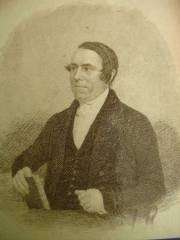
Salvation Not of Man!

This is the conclusion from the whole. Salvation is not from the will of man, nor from his efforts in striving for it, but is entirely of God’s mercy vouchsafed to whom He pleases. What foundation, then, can be discovered in the word of God for those schemes of self-righteousness, which, in a greater or less degree, make salvation depend on man’s own exertions?

There may be here an allusion to Jacob’s desiring the blessing of the birthright, and his running to provide the venison by which he deceived his father; but his obtaining the blessing was solely the consequence of God’s good pleasure, for the means he employed for the purpose merited punishment rather than success. In like manner, the salvation of any man is not to be ascribed to his own good will and diligent endeavors to arrive at it, but solely to the purpose of God according to election, which is ‘not of works, but of Him that calleth.’ It is true, indeed, that believers both will and run, but this is the effect, not the cause, of the grace of God being vouchsafed to them. ‘Work out your own salvation with fear and trembling.’ To whom is this addressed? To ‘the saints in Christ Jesus,’ in whom God had begun a good work, which He will perform until the day of Jesus Christ — to them who had always obeyed, Philippians 1:1,6,2,2: 12. But besides this, what is the motive or encouragement to work out their salvation? ‘For it is God which worketh in you both to will and to do of His good pleasure.’ Here all the willing and doing of men in the service of God is ascribed to His operation in causing them to will and to do. The whole of the new covenant is a promise of God that He Himself will act efficaciously for the salvation of those whom He will save. ‘I will put my law in their inward parts, and write it in their hearts.’ ‘I will give them one heart, and one way, that they may fear Me for ever.’ ‘I will put My fear in their hearts, that they shall not depart from Me.’ ‘A new heart also will I give you, and a new spirit will I put within you, and I will take away the stony heart out of your flesh, and I will give you a heart of flesh.

And I will put My Spirit within you, and cause you to walk in My statutes, and ye shall keep my judgments and do them,’ Jeremiah 31,32; Ezekiel 36: In this way the means by which God’s elect are brought to Him, their calling, their justification, their sanctification, their perseverance, and their glorification, are all of God, as was shown in the preceding chapter, and not of themselves. ‘There is great folly,’ say Calvin, ‘in the argument that we are possessed of a certain energy in our zeal, but of such a kind as can effect nothing of itself, unless aided by the mercy of Jehovah, since the Apostle shows that we possess nothing of our own, by excluding all our efforts. To infer that we have the power either of running or willing, is a mere cavil, which Paul denies, and plainly asserts that our will or ardor in the race has not the smallest influence in procuring our election. On the other hand, those merit the severest reproof who continue to indulge in sloth, that they may afford room and opportunity for the grace of God to act; since, although their own industry can accomplish nothing, yet the heavenly zeal inspired by the Father of Lights is endued with active efficacy.’

If any shall oppose the declaration of the Apostle, that it is not of him that willeth or of him that runneth, but of God that showeth mercy, and assert that the salvation of man depends on conditions which he is obliged to fulfill, then it may be asked, what is the condition? Is it faith? Faith is the gift of God. Is it repentance? Christ is exalted a Prince and a Savior to give repentance. Is it love? God promises to circumcise the heart in order to love Him. Are they good works? His people are the workmanship of God created unto good works. Is it perseverance to the end? They are kept by the power of God through faith unto salvation. It is true that all these things are commanded and enforced by the most powerful motives, consequently they are duties which require the exercise of our faculties.

But they are assured by the decree of election, and are granted to the elect of God in the proper season; so that, in this view, they are the objects of promise, and the effects of supernatural and Divine influence. ‘Thy people,’ saith Jehovah to the Messiah, ‘shall be willing in the day of Thy power.’ Thus the believer, in running his race, and working out his salvation, is actuated by God, and animated by the consideration of His all-powerful operation in the beginning of his course; of the continuation of His support during its progress; and by the assurance that it shall be effectual in enabling him to overcome all obstacles, and to arrive in safety at its termination.

Robert Haldane commentary on Romans 9 verse 16 (pp. 467-477)

“For the grace of God that bringeth salvation hath appeared to all men,” Titus 2:11
Father’s influence in the covenant home

Evil things are happening in homes and families in our land. Daily media reports are sometimes shocking, even unimaginable. There is the shameful abuse of women and children, sexual sins, sometimes committed by fathers violating their own children. We read of the most horrible atrocities imaginable, such as parents murdering their own children, and children their own parents. Even natural affection in the home seems in some cases to be utterly absent. All of these things are clear evidences that we are living in the last days, days of increasing wickedness in the world in which we live. May the Lord in His great mercy preserve us in this evil world, for sometimes these sins come close to us, and we know we are capable of committing them.

We could mention other signs of the deep trouble and distress of the youth in our land. There is increasing apostasy in the church. This takes many forms. One of them is that young people are leaving the church in droves. Many churches have only the aged who remain and gather for worship on the Lord’s Day. Sometimes these parents experience great anguish that their children and young people are gone from the church. Sometimes they do not even care that this is happening. Many in our generation have little or no spiritual interest, and if at all instructed in the home and by the church, when these children grow up to adulthood they leave the church.

Some of the apostasy taking place in the church involves young people who leave doctrinally sound churches, true churches once founded on such doctrine. They then join themselves with mega-churches, where there is little importance given to sound doctrine. All the emphasis in these nominal churches is on feeling excitement, the attraction of large numbers, and popular entertainment styles of worship services. Young people grow up unable to discern truth from error. Many of the younger generation are totally careless about sound doctrine. Popular preachers in mega-churches draw large audiences through promoting pop-psychology and feel-good religion. Others attract the masses by exhorting their members to be involved in all kinds of community action and social issues of the day. They spread the popular philosophy that convinces people that this is where true religion is to be found. As long as you are active in the church doing good in society, perhaps even going to a faraway third-world country where you can be involved in human concerns, world peace, the education of children, cultural renewal, projects that help alleviate world poverty, and assisting where natural catastrophes have happened, then you are involved where Christianity is truly active and significant in the world. Preaching salvation, righteousness, and truth are not important or relevant. Preserving truth and righteousness as the foundation for life, living for and confessing God and Jesus Christ as the only hope of salvation, are not considered important and relevant for Christianity. Promoting God’s glory in a life of true godliness in things like Christian marriage, family life, and the communion of God’s people in His church is just not relevant, and most of that is considered nothing but hypocrisy.

The truly Reformed church maintains the truth of the covenant, according to which God is pleased to continue His church in the line of continued generations of faithful believers. The gospel must be faithfully preached by the true church of Jesus Christ. The truth of the gospel and sound doctrine must be preserved and maintained in her midst. Importantly, arising out of this perspective is the great urgency of instructing our children in God’s foundational institution of the Christian family.

In this article and my next I want to focus on the role and calling of fathers in the covenant home, with what has been said as the background and context. Never before has there been such great urgency of having good fathers in the home as there is today. There is great need for fathers to have a strong influence in their covenant homes. The failure and negligence of covenant fathers in the home will have devastating consequences for the strength of family and for the stability of society, even for our own churches and their future. In our special focus on fathers we are, of course, nor minimizing the important role of covenant mothers as keepers in the home. We are simply recognizing the emphasis that Scripture places on fathers in that they are called to be the heads and strong leaders of their homes, greatly influencing their covenant children by instructing them in the fear of the Lord, by the grace and Spirit of God.

In order for fathers to have the godly influence they ought to in their homes, they must themselves be men who are truly godly, fearing God and keeping His commandments. They themselves must be spiritually minded and have great spiritual concern for their children. They must also love the church of Jesus Christ and the truth God has given to her, the doctrine she is called to maintain and promote in the world and in the sphere of God’s covenant.

Fathers have the God-given relationship to their children that they can by the grace of God have a great influence on their children’s lives by instructing them in the truth and guiding them in the way in which these children must go. A father must be a living example of our Father in heaven in his family, so that believing children will experience the love, care, and comfort of their fathers and submit themselves to his necessary discipline and chastisement for their nurture and development to mature adulthood.

Because of this influence, fathers can also do great evil in their own homes. There is the sober warning of God’s judgment in His law where God warns that He will visit the sins of the fathers upon the children unto the third and fourth generation (Ex. 20:5). The wickedness of fathers in the covenant home will have serious consequences of apostasy from the truth in the generations of the church. As fathers, we should all tremble before this warning of the law of God and earnestly pray that God will deliver us from our own personal sins and that He will not cause our sins to have a negative effect on the attitudes and behavior of our children.

Fathers can do great evil in their own marriages and families by their wicked lives. It cannot be denied that there are devastating consequences in families when fathers behave in an ungodly manner. When fathers walk in covetousness, pride, greediness, adultery, divorce, and drunkenness, they will bear evil fruit in the home and family. Even sins such as self-centeredness, unholy ambition, and worldliness will influence the children growing up in the homes of these fathers. God is not mocked; a father will reap what he sows.

Even fatherly neglect of the children will have serious consequences in his family. The father who does not have covenantal love and concern for his children will leave them feeling unloved and uncared for. As covenant children, they need this constant demonstration of love and concern for their own spiritual development, nurture, and sense of wellbeing. The absence of this will often leave deep feelings of bitterness, distress, and confusion within the souls of children.

A worldly father will teach his children to be worldly. A worldly man who does not live his own life in the fear of God will find that his children do not have within them the fear of God, which according to Scripture should be the guiding principle of their lives. A man who is overly committed to his earthly career and occupation, only to increase his wealth and his company’s prosperity so that he does not have the time or energy personally to interact with and influence his children, must not be surprised when his children in later life show little of the fear of God in their lives, in their involvement in the church, and for walking in the good works God has ordained for them to walk in for His glory.

Having said all of the above, we must immediately also comfort faithful fathers in their difficult role. We are completely dependent on the grace of God and the work of His Spirit in the hearts and lives of our children. God in His mercy will also preserve our children in spite of the sins and weaknesses of fathers in the daily task of raising covenant children.

Even in covenant homes where father has been faithful, there are some who still experience the great sorrows and anguish of children who in later life depart from the truth in which they have been instructed, even forsaking the Lord altogether for a life of sin and worldliness. God-fearing fathers must not despair of God’s mercy and wrongly burden themselves with guilt feelings about their own failings and short-comings. They must continue to labor with wayward children, continuing in much prayer that God according to His will and in His great mercy might return wayward sons and daughters of the covenant.

To such wayward children the godly father must be able to say with humility and the grace of God in his own heart, “My son, my daughter, you have grown up in our covenant home. I have instructed you in the fear of God, in keeping His commandments and in confessing and living by the Lord’s truth in your whole life. I have taught you by the example of my own life of the personal sacrifices you must make in life as well as of the ridicule and persecution you must expect from this ungodly world. I have taught about the only hope of salvation as it is in Jesus Christ alone. I have instructed you in the way of truth and righteousness, and of the great reward of the Lord’s blessing on the lives of His people in the way of fearing Him. I have taught you that which I believe in my own heart is the greatest wisdom and the greatest good that will lead to peace with God, life eternal, and glory. But you have willfully and foolishly rejected all of this and chosen the way of wickedness and forsaken the Lord. For this also God will hold you responsible.”

Much of this article has been about warning; it has been somewhat negative, necessarily so. In our next article we are going to discuss the positive instruction of God’s Word summarized in one of the classic passages of the Bible, Ephesians 6: 4. “And you fathers, provoke not your children to wrath: but bring them up in the nurture and admonition of the Lord.” This one short verse is full of instruction and encouragement to fathers for their role in their covenant home. This verse is such a great example of verbal inspiration. Every word of this passage in its precise meaning has such great importance. This passage has a negative part to it. In raising of our covenant children, we must be careful not to provoke them to anger. There is great warning here about our behavior towards our covenant children. We want soberly to consider some of the misbehavior and neglect of fathers that can lead to provoking our children to wrath.

Yet, this passage also has volumes of positive instruction and encouragement. Central to this whole passage, as well as to the whole book of Proverbs (written especially for the instruction of our covenant sons and daughters by their parents and again especially for fathers), is one great principle. I refer to the great principle, “the fear of the Lord.” Fathers must instruct their children in the fear of the Lord. Through all their work fathers must labor by the grace and Spirit of God to instill and increase in the hearts of their children the attitude of “the fear of the Lord.” Because of our natural pride, sometimes also sinful and worldly, we want our children to grow up to be successful in life, hopefully even more successful and prosperous than we were. We want our children to have honor among men and success in all their lives. We desire them to reveal that they are very intelligent, gifted, and talented. But we must always be reminded that without the fear of the Lord all of this is nothing more than the vanity of the world and in the end will profit our children very little.

Written by Rev. Arie denHartog

“For the grace of God that bringeth salvation hath appeared to all men,” Titus 2:11

Proverbs 6:6-11

Go to the ant, thou sluggard; consider her ways, and be wise: Which having no guide, overseer, or ruler,  Provideth her meat in the summer, and gathereth her food in the harvest.  How long wilt thou sleep, O sluggard? when wilt thou arise out of thy sleep? Yet a little sleep, a little slumber, a little folding of the hands to sleep:  So shall thy poverty come as one that travelleth, and thy want as an armed man.

‘It is a shame’-said the heathen philosopher-‘not to learn morals from the small animals’ Yet what a proof is it of the degradation of the fall, that “man, created in the image of God,” and made wiser than the creation (Gen. 1:26. Job, xxxv. 11), should be sent, as here, to this insignificant school for instruction! The ant, having no guide to direct her work, no overseer to inspect her, or ruler to call her to account yet I gathereth with diligent foresight the summer and harvest store for her winter need. Let the sluggard consider her ways, and be wise. He sleeps over his work, and, if for a moment half-hearted by some rousing call, still pleads for a little sleep, and folds his hands to sleep. Present ease is all he calculates on, all he provides for. The future he carefully keeps out of sight, to be provided for, like the present, when it comes. Thus life runs to waste. Poverty comes step by step as one that travelleth, and, like an armed man. With irresistible violence. (Chapter 10:4; 13:4; 19:15, 24; 20: 4; 21:25; 24:33, 34.)

Perhaps he perverts his Master’s word to excuse his sloth. But, if we are to “take no anxious thought for the morrow” (his true meaning), are we to take none at all? Care is a duty, a parental obligation (2 Cor. 12:14. Comp. Gen. 30:30; 41:33), and therefore, a component part of godliness. Carefulness is a sin (Luke 10: 41. 1 Cor. 7:32), a needless burden to ourselves and unworthy distrust of God. (Matt. 6:25-33.) The diligent use of providential means honours God. (Chapter 10:5; 24:27.)

But much more loudly would we call to the spiritual sluggard. Thou art sleeping away the opportunities of grace “striving to enter in at the strait ate” (Luke 13:24); taking thy salvation for granted; hoping that thou shalt “reap that which thou hast not sown, and gather where thou hast not strawed” (Matthew 25:26)-Go o the ant, thou sluggard; consider her ways, and be wise. Improve, after this pattern, the summer and harvest season-the time of youth, the present, perhaps the only, moment. The ant hath no guide. How many guides have you-conscience-the Bible-ministers! (Job 32: 8. Ps. 119: 105. Mal. 2:7.) She has no overseer. You are living before Him, whose eyes are as a flame of fire.” (Chapter 15:3, Rev. 1:14, 2:18.) She has no ruler callingher to account. “Every one of us must give account of himself unto God.” (Rom. 14:2.) How long hen wilt thou sleep, O sluggard? – is the solemn remonstrance of ty God. (Comp. chapter 1:22. 1 Kings 18:21.) Thy sleep is not like that of the body refreshing at the dawn of day; but it is that of the poisoned draught, heavier and heavier; the slumber of death, “Awake, thou that sleepest, and Christ shall give thee light.” (Eph. 5:14.) Slight not the call of the present moment. The spell grows stronger as resistance is delayed. Ever day’s slumber makes it more improbable, whether thou wilt ever awaken at all. The intended struggle of to-morrow is a delusion. A thousand such tomorrows there may be; and yet thou mayest be found at last perishing in thy poverty, and the King of terror will come as an armed man to summon thee to judgment.

But how one is made to feel that from this dep slumber no voice but Omnipotence can rouse! Enter the sluggard’s chamber; put aside his curtain; hang over is bed; sound a solemn cry in his ears-How long? Endeavour even to open his eyelids to see the light of day; and yet the spell is too strong for man. He shifts his posture, murmurs his cry-a little more sleep-and slumbers again. Christian! You feel the helplessness of your work. Then call in the power of God in your brother’s behalf-“Lighten his eyes, lest he sleep the sleep of death.” (Ps. 13:3.)

And then as for thyself-grow in intense energy in thy high calling. Remember, faith without diligence is slumbering delusion. Faith is the practical energy of a living faith. Always, therefore, look at sloth, not as n infirmity, but as a sin, affecting the whole man; growing upon us with unperceived power. Allow it therefore no rest, no time to root itself. Resist it in all its forms-bodily mental, spiritual: indulgence of sleep and appetite: self-pleasing in all its subtle and plausible workings. Live by rule. Have your time strictly arranged. Be employed in early work for God. Store the mind with useful knowledge; ever reserving the first place for an industrious and prayerful study of the book of God. “Mortify” this baneful lust “through the Divine Spirit” (Rom. 8:13); drawing all your motives from the death (Ibid. 6:6), the life (Mark. 1.32-35), the rules of Christ (Luke 9:23. Rom. 13:11-14.) Victory will soon declare for you; and how enriching will be the spoil!

  Charles Bridges

“For the grace of God that bringeth salvation hath appeared to all men,” Titus 2:11