
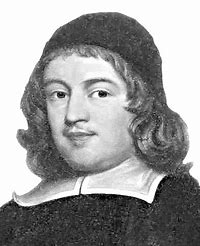
Sermon XXXI.
Psalm 119: 30
“I have chosen the way of truth: thy judgments have I laid before me.”
David asserts his sincerity here in two things: – I. In the rightness of his choice, -“I have chosen the way of truth.” II. In the accurateness of his prosecution, “Thy judgments have I laid before me.”
First, For his choice, “I have chosen the way of truth.” God having granted him his law, he did reject all false ways of religion, and continued in the profession of the truth of God, and the strict observance thereof. There are many controversies and doubtful thoughts among the sons of men about religion, all being varnished with specious pretences, so that a man knows not which way to choose, till by the Spirit he be enabled to take the direction of the word, that resolveth all his scruples, and makes him sit down in the way which God hath pointed for him. Thus David, as an effect of God’s grace, avoucheth his own choosing “the way of truth.”
By the way of truth, is meant true religion; as, “By whom the way of shall be evil spoken of” (II Peter 2:2). It is elsewhere called “the good way wherein we should walk” (I Kings 8:36), “the way of the Lord” (Psalm 27:11); “the way of understanding” (Proverbs 9:6); “the way of holiness” (Isaiah 35:5, 8); “the way of righteousness,” “Better they had not known the way of righteousness” (II Peter 2:21), that is, never to have known the Gospel, which is called the way of righteousness. It is also called “the way of life,” And reproofs of instruction are the way of life” (Proverbs 6:23); and “the way of salvation,” as the Pythoness gave this testimony to the apostles, “These men are the servants of the most high God, which shew unto us the way of salvation.” (Acts 16:17). Now all these expressions have their use and significancy; for the way of truth, or the true way to happiness, is a good way, showed us by God, who can only discover it; and therefore called “the way of the Lord,” or “the way of God,” in the place before quoted. And (Acts 28: 25, 26) it is manifested by God, and leadeth us to God. The Christian doctrine was that way of truth revealed by him who is prima veritas, the first truth. And the ways wherein God cometh to us, are his mercy and truth; and the ways wherein we come to God, is the way of true religion prescribed by him; it is the way of understanding, because it maketh us wise as to the great affairs of our souls, and unto the end of our lives and beings; and the way of holiness and righteousness, as directing us in all duties to God and man; and the way of life and salvation, because it brings us to everlasting happiness. This way David chose by the direction of God’s word and Spirit.
Secondly, There follows the evidence of his sincerity, the accurate prosecution of his choice: “Thy judgments have I laid before me.” The Septuagint reads it, “I have not forgotten thy judgments.” By judgments is meant God’s word, according to the sentence of which, every man shall receive his doom. He that walketh in a way condemned by the word, shall not prosper; for God’s word is judgment, and execution shall surely follow; and by his word David got his direction how to choose this way of truth; and this he laid before him as his line; his desire was to follow what was right and true, not only as to his general course and way of profession, but in all his actions; and so it noteth his fixed purpose to live according to this blessed rule which God hath given him. To have a holy rule, and an unholy life, is unconsonant, inconsistent. A Christian should be a lively transcript of that religion he doth profess. If the way be a way of truth, he must always set it before him, and walk exactly.
The points are two:-
That there being many crooked paths in the world, it concerns us to choose the way of truth.
That when we have chosen the way of truth, or taken up the profession of the true religion, the rules and institutions of it should ever be before us.
There are two great faults of men; one in point of choice, the other in point of pursuit. Either they do not choose right, or they do not live up according to the rules of their profession; both are prevented by these points.
DOCTRINE 1. – That there being many crooked paths in the world, it concerns us to choose the way of truth.
I shall give you the sense of it in these eight propositions or considerations.
1st, The Lord in his holy providence hath so permitted it, that there ever have been, and are, and (for ought we can see) will be controversies about the way of truth and right worship. There was such a disease introduced into the world by the fall, that most of the remedies which men choose, so but show the strength and malignity of the disease; they choose out false ways of coming to God, and returning to him: “For all people will walk every one in the name of his god, and we will walk in the name of the LORD our God for ever and ever” (Micah 4:5). Mark, there is his God, and our God, and then all people noting their common agreement in error: all people will, every man, noting their diversity as to the particular false way of religion and worship, which they take up to themselves; when they turn their back upon the true God, and the knowledge of him, then they are endless in seeking out false gods. “They cried every man to his God” (Jonah 1:5). Among pagans even in one ship there were many false gods worshiped. ….
2ndly, True religion is but one; and all other ways are false, noxious, and pestilent: “One Lord, one faith, one baptism” (Ephesians 4:5). There are many ways in the world, but there is but one good and certain way that leads to salvation. So much the Apostle intimates, when he saith, he “will have all men to be saved.” How would he have them saved? “For there is one God, and one Mediator between God and men, the man Christ Jesus” 1 Timothy 2:4, 5); which text implies that salvation is by the knowledge of the truth, or knowledge of the true way; others tend to destruction. And so God promiseth, that he will give all the elect “one heart and one way” “And I will give them one heart, and one way, that they may fear me for ever, for the good of them, and of their children after them” (Jeremiah 32:39). Though there be differences even in the Church of God about lesser truths, yet there is but one true religion in the essence and substance of it; I mean as to those truths which are absolutely necessary to salvation. To make many doors to Heaven, is to set wide open the gates of Hell. Many men think that men of all religions shall be saved, provided they be of good life, and walk according to their light.
In these latter times divers unsober questions are grown weary of the Christian religion, and by an excess of charity would betray their faith; and while they plead for the salvation of Turks and Heathens, scarce show themselves good Christians. The Christian religion is not only the most compendious way to true happiness, but it is the only way: “And this is life eternal, that they might know thee the only true God, and Jesus Christ, whom thou hast sent”(John 17:3). There is the sum of what is necessary to life eternal; that there is one God, Father, Son, and Holy Ghost, to be known, loved, obeyed, worshipped, and enjoyed; and the Lord Jesus Christ to be owned as our Redeemer and Saviour, to bring us home to God, and to procure for us the gifts of pardon and life; and this life to be begun here by the Spirit, and to be perfected in Heaven. This is the sum of all that can be said that is necessary to salvation; certainly none can be saved without Christ; “Neither is there salvation in any other: for there is none other name under heaven given among men, whereby we must be saved” (Acts 4:12); and none can be saved by Christ but they know him, and believe in him.
If God hath extraordinary ways to reveal, Christ to men, we know not: this is our rule, no adults, no grown person can be saved but they that know him and believe in him. And now Christ hath been so long owned in the world, and his knowledge so far propagated, why should we dream of any other way of salvation? To us there is but “one God, and one faith.” The good-fellow-gods of the Heathen could brook company and partnership: but the true God will be alone acknowledged. As the sun drowns the light of all the stars; so God will shine alone. No man can be saved without these two things; without a fixed intention of God as our last end; and a choice of Jesus Christ as the only way and means of attaining thereunto.
These things are set down in Scripture as of infallible necessary to salvation; and therefore though there be several apprehensions and contentions about ways of salvation and righteousness; yet there is but one true religion, and all other ways are false.
3rdly, As soon as any begin to be serious, they begin to have a conscience about the finding out this one true way wherein they may be saved. Alas! Before men take up that religion which the chance of their education offers, without examination, or any serious reason of their choice; they walk (in the language of the Prophet) according to the trade of Israel; they live as they are born and bred, and take up truth and error as their faction leads them; or else pass one religion to another, as a man changeth his room or bed; and make a slight thing of opinions and that float up sand down like light chaff in a various uncertainty, according as their company, or the posture of their interest is changed. But a serious, and an awakened conscience, will be careful to lay the ground-work of religion sure, they build for eternity therefore the foundation needs to be well laid. The woman of Samaria, as soon as she was touched at heart, and began to have a conscience, she began also to have doubtful thoughts about her estate and religion. Christ had convinced her of living in adultery, by that means to bring her to God; but now she would fain know the true way of worship: “Our fathers worshipped in this mountain, and ye say that in Jerusalem is the place where men ought to worship” (John 4:20). They that have a sense of eternity will be delighted to know the right way. The same errand brought Nicodemus to Christ: “Rabbi, we know that thou art a teacher come from God” (John 3:2). He would fain know how he might come to God. So the young nobleman in the Gospel, “Good Master, what good thing shall I do, that I may have eternal life?” (Matthew 19:16.) Though he disliked the bargain afterwards, yet he cheapens it, and asks what way he must take. For a great while persons have only a memorative knowledge, some apprehension which doth furnish their talk about religion; and after their memory; is planted with notions, then they were without judgment and conscience; but when they begin to have a judgment and a conscience, then it is their business to make religion sure, and to be upon stable terms with God.
4thly, When we begin to have a conscience about the true way, we must inquire into the grounds and reasons of it that we may resolve upon evidence, not take it up because it is commonly believed, but because it is certainly true; not take it up by chance, but by choice; not because we know no other, but because we know better. It is not enough to stumble upon truth blindly but we must receive it knowingly, and upon solid conviction of the excellency of it, comparing doctrine with doctrine, and thing upon thing; and the weak grounds the adversaries of the truth have to build upon. The precepts of the word are direct and plain for this: “Prove all things, hold fast that which is good” (1 Thess. 5:21). And try the spirits whether they are of God” (1 John 4:1). There must be trying and searching, and not taking up our religion merely by the dictates of another. The Papists are against this, which argueth a distrust of their own doctrine; they will not come to the waters of jealousy, lest their belly should swell and their thigh rot. They dare not admit people to trial and choice, and give them liberty to search the Scriptures; whereas truth is not afraid of contradiction: they first put out the light, then would have men shut their eyes. But what do they allege? (since we a bidden to prove all things, and to try their spirits.) That these places belong to the doctors of the church, and not to the people. But that exception is frivolous, because the apostolical epistles were directed to the body of the people; and they who are advised to prove all things, are such as a charged to respect those that are over them in the Lord (verse 12), and to despise prophecies (verse 20), and then “prove all things” (verse 21), and in another place, those that he calls little children, them he adviseth to try the spirits; all that have a care of their salvation, should thus do. Euscebius doth mention it as one of the errors of Apelles, that what he had taught them, they should not pry into, and examine, but take it and swallow it. And Mahomet forbids his followers to inquire into their religion.
But is every private Christian bound to study controversy, so as to be able to answer all the adversaries of the truth?
I answer: No it is a special gift, bestowed and required of some that have leisure and abilities; and it is a duty required of ministers and church-guides, to convince gain-sayers, and stop their mouths; ministers must be able to hold fast the truth; the word is, Titus 1:9, “Holding fast the faithful word,” it signifies, holding fast a thing which another would wrest from us; we should be good at holding and drawing, to preserve the truth when others would take it out of our hands; otherwise he tells us, “Him that is weak in faith, receive; but not to doubtful disputations” (Romans 14:1). Yet every true Christian is so far to be settled in the true religion, and study the grounds of it, that he may be “fully persuaded in his own mind” (Romans14:5), and may not be like chaff, but may be at a certainty in the way of truth. Surely the business is worthy of our serious care. Eternal life and death are not trifles; therefore be not rash in this, but go upon sure evidence.
The providence of God doth necessitate us to such a course. Because there are different ways propounded to man, therefore he must follow all, or take up one upon evidence. Not only in point of practice, as life and death is set before us (Deuteronomy 30:15), and the broad way and the narrow (Matthew 7:13, 14); not only to counterwork the rebellious of the flesh, and the way of wisdom and folly (Proverbs). No, but in matters of opinion, and controversy about religion, there will meet us several ways (Jeremiah 11:16), pretending to God.
Therefore, what should we do but search, pray, resolve to be thus with God, and take the way God will direct us? As the king of Babylon stood at the parting of the way, or at the head of the ways to make divination (Ezekiel 21:21), so you meet with partings of ways that you need deliberate to make a wise choice; therefore the providence of God doth put you upon trial. Think, there are false teachers; ay, and the most holy and upright men are but in part enlightened, and may lead you into a crooked path, and a by-way; they may mislead us; therefore we ought to see with our own eyes.
Consider the sad consequence of erring. There are damnable errors and heresies (2 Peter 2:1). Vice is not only destructive and damnable to the soul, but error: now eternal damnation and salvation are no small matters. A man cannot please God in a false belief, how laudable soever his life be; and they cannot put the fault upon others that they are misled by them; for if the blind lead the blind, both fall into the ditch; not only the blind guide, but the blind follower.
If we light upon a good way without search and choice, it is but a happy mistake when we have not sufficient evidence. You may have the advantage ground, by chance may light a better way, and it is God’s providence you are born there where it may be so. A Turk hath the same ground for his respect to Mahomet, that many have for their owning of Christ, it is that religion he was born and bred in; this will not be counted faith, but simple credulity: the simple believeth every word. It is almost as dangerous to love a truth ignorantly, as to broach an error knowingly, that is believed in vain, which is believed without the grounds whereupon it is propounded; the faith of Christians should not be conjectural or traditional. If a man should not have reasons to sway his choice, he will never be able to check temptations even in practical things. If men have not received religion upon true grounds; and as Cyprian saith, when they do not look into reason of these things, and when the Christian religion is represented to them with out evidence and certainty, they have but a probable faith, that is always weak against temptation, either against lusts within, or errors and seductions without: therefore we had need look to the grounds of these things.
The profit is exceeding great; for truth will have a greater force upon the heart when we see the grounds and reasons of it. We are exposed here in this lower world to great difficulties and temptations. Now, when we do not lay up the supreme truths of religion with certainty and assurance; alas these temptations will prevail over us and carry us away. Atheism lies at the root; therefore are there such doubtings in the heart in point of comfort, such defects in the life and conversation, because truth was never soundly laid in the soul, it was not chosen. If we were soundly settled in the belief of the unity of the divine essence, and the verity of salvation by Christ, and the divine authority of the Scriptures, and the certainty of the promises therein, certainly we would be more firmly engaged to God; comfort would sooner follow us, and we would have better success in the heavenly life. If the fire were well kindled, it would of itself break out into a flame. If we did believe indeed that Jesus the Son of God hath done so much for us, and had this firmly settled in our hearts, this would be a real ground of comfort and constancy: “Beware lest ye also being led away with the error of the wicked, fall from your own steadfastness”(2 Peter 3:7). It is put in opposition to the one that stands by the steadfastness of another, he might be carried away by the error of the wicked; no, but he must have somewhat to say, to engage his own heart, otherwise he is led thereby with every fond suggestion, and simple credulity, and easily abused. But when men have chosen, and are well fixed, they are not easily shaken. When men take up religion upon trust, without a satisfying argument, they are like light chaff, carried through the whole compass of the winds. As mariners dispose of serval winds which blow in the corners of the world into a circle and compass (the apostle’s word alludes to that). “We are carried all around the points of the compass” “That we henceforth be no more children, tossed to and fro, and carried about with every wind of doctrine, by the sleight of men, and cunning craftiness, whereby they lie in wait to deceive” (Ephesians 4:14). When the chain of consent is broken, they are in continual danger to be seduced; and the greatest adversaries of truth are able to use such reasons as have in them great probability to captivate the affections of a weak understanding, by their sophistical arguments and insinuating persuasions.
5thly, After this inquiry into the grounds and reasons of the way of truth, then we must resolve and choose it: “I have chosen the way of truth,” as the way wherein we are to walk; “Thus saith the LORD, Stand ye in the ways, and see, and ask for the old paths, where is the good way, and walk therein, and ye shall find rest for your souls” (Jeremiah 6:16).; you must not only so understand and form your opinions aright; not only see what is the good way, but “walk therein;” keep that which you find to be the way of truth, renouncing all others. We should not lie under a floating uncertainty or skeptical irresolution, as those that keep themselves in a weary reservation, that are ever learning, but never come to the knowledge of the truth, 2 Timothy 3:7, the word is, they do not come to the “acknowledgment” of the truth; always examining, but never resolve: you are to “prove all things” (1 Thessalonians 5:21); but not in order to unsettlement but settlement. Consider, inquire, where is God’s presence most, where is the Son like to be glorified, and souls better to be satisfied, and built up in the faith of Jesus Christ, and resolve and stick there.
6thly, That no religion will be found fit to be chosen upon sound evidence but the Christian. How shall I be persuaded of this? Why that religion that God hath revealed,-that religion which suits with the ends of a religion, that is, with the inward necessities of mankind, and most commodiously provides for man,-that is true religion. Surely the necessities of mankind are to be relieved thereby. The great ends of a religion are God’s glory and our happiness. God is glorified by a return of obedience of the creature, and man is made happy by the enjoyment of God. All these ends are advanced by this way of truth.
That is the only religion which is revealed by God; for certainly so must a religion be if it be true; for that which pleaseth him must be according to his will; and who can know his will but by his own revelation, by some sign whereby God hath discovered it to us. Alas! If men were to sit brooding a religion themselves, what a strange business would they hatch and bring forth! If they were to carve out the worship of God they might please themselves, but could never please God. Vain men, indeed, are ready to frame God like themselves; and foolishly imagine what pleaseth them, pleaseth him also; they still conceive of God according to their own fancy. And this was the reason why the wisest Heathens, having no revelation, no sense of God’s will but what offered itself by the light of nature; they would employ their wits to devise a religion: but what a monstrous chimera and strange fancy did they bring forth! “Professing themselves to be wise they became fools” (Romans 1:22). Though they knew there was a great and eternal Being by the light of nature, yet the Apostle saith they became vain, in their imaginations, how this infinite Being should be worshipped; therefore, what they carved out was not honour but a disgrace; they devised gods and goddesses that were patrons of murder, theft, and all manner of filthiness, and brought out Bacchus the god of riot and good fellowship, or the patroness of love and wantonness. But now God hath showed us his will, he hath showed us what is good, and what he doth require of us (Micah 6:8). Now that the Gospel is a revelation form God, it appears by the matter, which is so suitable to the nature of God; it hath such an impress of God’s wisdom, goodness, power, upon it, that plainly it hath pleased God; it is like such an infinite and eternal being as God is, in the worship and duties prescribed: it is far above the wisdom of mere man, though very agreeable to those relics of wisdom which are left in us; so that this is that true religion which surely will please God, because it came from him at first, and could come from no other. And also, besides the evidence it carrieth with it, and the impress and stamp of God upon it, we have the word of these that brought this doctrine to us; and if we had nothing else, if they say, “Thus saith the Lord,” Etc., we are bound to believe them, they being persons of a valuable credit, that sought not themselves, but the glory of him that sent them. When the first messengers of it were men of such an unquestionable credit, that had no ends of their own, but ran all the extreme hazards and displeasures, surely it cannot incline us to think they did seek God’s glory by a lie. Yea, they did evidence their mission from God by miracles that God sent them; surely this doctrine is from Heaven, both in his internal government of the world, he blesseth it to the comfort of the conscience, or to the terrifying of the conscience: for it works both ways. Wicked men are afraid of the light, lest their deeds should be made manifest (John 3:20), and also to the comforting and settling the conscience, that we may have great joy by believing in Christ. This for his internal government. And then his external government, by answering of prayers, fulfilling promises, accomplishing prophecies: “As for God, his way is perfect: the word of the LORD is tried: he is a buckler to all those that trust in him.” (Psalm 18:30). Put God to the trail by a regular confidence in an humble walking, and he will make good his promises; ay, and make good his threatenings. When people are ripe for judgment, God will fulfil the threatenings of his word, and will accomplish what is spoken by the prophets and apostles; and God will reveal his wrath from Heaven against all unrighteousness of men (Romans 1:8). So that there are plain signs that this is a doctrine revealed from God, and God can best tell us how he is to be worshipped and pleased.
Besides God’s revelation, it notably perform all that which a man would expect in a religion; and so suits the necessities of man, as well as the honour of God. Why?-
(1.) That is the true religion which doth most draw off the minds of men from things temporal and earthly, to things celestial and eternal, that we may think of them, and prosecute them. The sense of another world, an estate to come, is the great foundation upon which all religion is grounded. All its precepts and promises, which are like to gain upon the heart of man, they receive their force from the promise of an unseen glory, and eternal punishments, which are provided for the wicked and contemners of the Gospel. The whole design of this religion is to take us off from the pleasures of the flesh, and the baits of this world, that we may see things to come. It is the excellency of the Christian faith, that it reveals the doctrines of eternal life clearly, which all other religions in the world could only guess at. There were some guesses, but still great uncertainty; but obscure thoughts and apprehensions of such an estate. But here life and immortality are brought to life through the Gospel (2 Timothy 1:10). Alas! There is a mist upon it in all other representations; they seem to see it, yet see it not; but this is brought to light in the Gospel; it makes a free offer of it, upon condition of faith in Christ (John 3:16), it quickens us to look after it; all its design is to breed in man this noble spirit, by looking upon things that are above, and not upon things on earth (Colossians 3:1, 2); and it endeavours with great power and persuasiveness, that we may make it our scope, that we may neglect all present advantages, rather than miss of this; and make it our great design, that we may “For our light affliction, which is but for a moment, worketh for us a far more exceeding and eternal weight of glory; While we look not at the things which are seen, but at the things which are not seen: for the things which are seen are temporal; but the things which are not seen are eternal.” (2 Corinthians 4:17, 18). This is the way of truth, because we believe it will make the worshippers of it everlastingly happy, which all men by nature have inquired about. Now it is but reason, that a man’s work be ended before he receive his wages; and if God will reward the virtuous, that it should be in the other world, for our work is not ended until we die; and we have a presagency of another world; there is another world which the soul of man thinks of. Now this is that which Christianity drives at, that we look after our reward with God, and escape that tribulation, wrath, and anguish, which shall come upon every soul that doeth evil.
(2) That doctrine which establisheth purity of heart and life, as the only means to attain this blessedness, certainly that is the way of truth. “Who shall ascend into the hill of the LORD? or who shall stand in his holy place? He that hath clean hands, and a pure heart; who hath not lifted up his soul unto vanity, nor sworn deceitfully” (Psalm 24:3, 4). There is no true holiness, no subjection of heart to God, but by the Christian doctrine. “Sanctify them through thy truth, thy word is truth” (John 17:17). Hereby we know that the word of God is truth, because it is so powerful to sanctification. “Thy word is very pure: therefore thy servant loveth it” (Psalm 119:140). All religions endeavour some kind of excellency; but now the holiness that is recommended in other religions is a mere outside holiness in comparison of what Christianity calls for. We have a strict rule, high patterns, blessed encouragement; it promiseth a powerful spirit, even the Spirit of the holy God, to work our heart to this holiness that is required. The aim of that religion is to remedy the disease introduced by the fall. All other religions do but make up a part of the disease; and the Gospel is the only remedy and cure: therefore this is the way of faith you should choose.
(3.) That doctrine which provideth for peace of conscience, and freedom from perplexing fears which are wont to hunt us by reason of God’s justice and wrath for our former misdeeds, that doctrine hath the true effect of a religion. Man easily apprehends himself as God’s creature; and being God’s creature, he is his subject, bound to obey him; and having exceedingly failed in his obedience (as experience shows), he is much hunted by fears and doubts. Now, that is the religion that in a kindly manner doth dispossess us of these dreads and fears, and comes in upon the soul, to deliver us from our bondage, and those guilty fears which so natural to us by reason of sin. And therefore, in a consultation about religion, if I were to choose (and had not by the grace of God been baptized into the Christian faith) and had the advantage to look abroad and consider them, then I would bethink myself, ‘Where shall I find rest for my soul, and from those fears which lie at the bottom of conscience, and are easily stirred in us, and sometimes are very raging? There is a fire smouldering within, and many times it blown up into a flame. Where shall I get remedy for these fears?’ I rather pitch upon this because the Holy Ghost doth, “Thus saith the LORD, Stand ye in the ways, and see, and ask for the old paths, where is the good way, and walk therein, and ye shall find rest for your souls. …..” (Jerimiah 6: 16, Etc.), as if he had said, “If you will know what is the good way, take that way where you may find rest for your souls; not a false rest, that is easily disturbed; not a carnal security, but where you may find fine true, solid peace; that when you are serious, and mind your great errand and business, you may comfort yourselves, and rejoice in the God that made you. In a false way of religion there is no establishment of heart and sound peace: “Which was a figure for the time then present, in which were offered both gifts and sacrifices, that could not make him that did the service perfect, as pertaining to the conscience;” (Hebrews 9:9). That certainly is true religion which makes the worshipper perfect as to the conscience; which gives him a well-tempered peace in his soul; not a sinful security, but a holy, solid peace; that when he hath a great sense of his duty upon him, yet he can comfortably wait upon God. And you his duty upon him, yet he can comfortably wait upon God. And you know our Lord himself useth this very motive to invite men, “Come unto me, all ye that labour and are heavy laden, and I will give you rest” (Matthew 11; 28). That is, take the Christian religion, that easy yoke upon you, and you shall find rest for your souls. The Lord Jesus is your peace, and the ground of your peace; but we never find rest till we come under his yoke. Christians, search where you will, there is no serious answer to that grand question, which is the great scruple of the fallen creature, how to appease angry justice (Micah 6:7). And we are told of those locusts who are seducing spirits which come out of the bottomless pit (Revelation 9), they had stings in their tails; their doctrine is not soundly comfortable to the conscience. Among others, this is designed by those locusts, that half Christianity which is taken up by the light-skirted people, which reflect upon privileges only; therefore, there are such scruples and intricate debates. But some advantage there is, and some progress they may make in the spiritual life, that cry them up without duties; but they never have sound peace upon their souls unless the Lord pardon their mistakes, and doth sanctify their reflections upon those spiritual and unseen privileges, so as to check their opposite desires and inclinations. It is best to be settled in God’s way, by justification and sanctification. There is a wound wherein no plaster will serve for a cure, but the way the Gospel doth take. Consider altogether Christ’s renewing and reconciling grace, the whole evangelical truth, this Gospel which was founded in the blood of Christ, his new covenant, and sealed with God’s authority, and doth so fitly state duties and privileges, and lead a man by the one to the other. This is that which will appease the Lord. There is no settling of the conscience without it, and, therefore, whatever you would expect in a religion, here you find it in that blessed religion which is recommended to us in the Gospel or new covenant; there is such holiness and true sense of the other world, which breeds an excellency and choiceness of spirit in man.
7thly, Of all sects and sorts among Christians, the Protestant Reformed Religion will be found to be the way of truth. Why? Because there is the greatest suitableness to the great ends, the greatest agreement and harmony with God’s revelation, which they profess to be their only rule. I say, as to God’s worship there is most simplicity, without that theatrical pomp which makes the worship of God a dead thing, and so most suitable to a spiritual being, and conducible to spiritual ends, to God who is a spirit, and who will be worshipped in spirit and truth; for there God is our reward, and to be served by faith, love, obedience, trust, prayers, praises, and a holy administration of the word and seals; more suitable to the genius of the Scripture, without the pageantry of numerous idle ceremonies, like flourishes about a great letter, which to rather hide religion, than any way discovered it; yea, betray it to contempt and scorn to a considering man. Besides, the great design of this religion is to draw men from earth to Heaven, by calling them to a serious profession of saving truth. Popery is nothing but Christianity abused, and is a doctrine suited to policy and temporal ends; and it is supported by worldly greatness. And then as to holiness (which is the genuine product of a religion), the true genuine holiness to be found, or should be found, according to their principles, among Protestants and the Reformed; not external mortification, but in purging the heart. And here is the true peace of conscience, while men are directed to look to Christ’s reconciling and renewing grace, and not to seek their acceptance in the merit of their own works, and voluntary penance and satisfactions, and many other doctrines which put the conscience upon the rock. And then all this is submitted to be tried by the Scriptures, which apparently are acknowledged by them to be the word, without running to unwritten traditions, and the authority of men. Again, all this is recommended with the special presence of God, as to gifts and graces, blessing these churches continually more and more. Therefore, if ever man will find rest for his soul, and be soundly quiet within himself, here he must fix, and choose, and take up the way of truth. Popery is but Heathenism disguised with a Christian name; their penal satisfactions are like the gashing and lancing of Baal’s priests: their mediators of intercession, are like the doctrines of demons among the Gentiles, for they had their middle powers, glorified heroes; their Holy water suits with the Heathen lustrations; their costly offerings to their images, answer to the sacrifices and oblations to appease their gods which the idolaters would give for the sin of their souls: adoring their reliques is like the respects the Heathens had to their departed heroes. And as they had their tutelary gods for every city, so their saints for every city and nation; their St. Sebastian for the pestilence, their Apollonia for their tooth-ache, and the like. It is easy to rake in this dirt. It was not for the Devil’s interest, when the ensign of the Gospel was lifted up, to draw men to downright Heathenism; therefore he did more secretly mingle the customs and superstitions of the Gentiles with the food life (like poison conveyed in perfume), that the souls of men might be more infected, alienated, and drawn from God. Popery doth not only add to the true religion, but destroys it, and is contrary to it. Let any considering man that is not prejudiced compare the fact of the Roman synagogue with the beauty of the Reformed Churches, and they will see where Christianity lies; there you will find another sacrifice for expiation of sin, than the death of Christ; the communion of the cup (so expressly commandment in the word of God) taken away from the people; reading the Scriptures forbidden to laics, as if the word of God were a dangerous book; prayers in an unknown language; images set up, and so they are guilty, if not primitive idolatry (which all the water of the sea cannot wash them clear of), yet certainly of secondary idolatry, which is the setting up an idol in God’s worship, contrary to the second commandment, the image of the invisible God represented by stones and pictures; invocation of saints and angels allowed; the doctrine of transubstantiation contrary to the end of the sacrament; works of supererogation; popes’ pardons; purgatory for faults already committed, as if Christ had not already satisfied; Papal infallibility, not only contrary to faith, but sense and reason; their ridiculous mass and ceremonies; and many such human inventions, beside the word, and against it. But the Protestants are contented with the simplicity of the Scriptures, the word of God, and the true sacraments of Christ. Therefore you see what is the way of truth we should stick to.
8thly, That in the private differences among the professors of the Reformed Protestant Religion, a man is to choose the best way, but to hold charity towards Dissenters. In the true church in matters of lesser moment, there may be sundry differences. For until men have the same degree of light, it cannot be expected they should be all of a mind. Babes will think one thing, grown persons will have other apprehensions; sick persons will have their frenzies and doubtings, which the sound cannot like. The Apostle’s rule is, “Let us therefore as many as be perfect, be thus minded; and if in anything ye be otherwise minded, God shall reveal even this unto you,”(Philippians 3:15, 16). There are two parts of that rule; the perfect must be thus minded; they that are fully instructed in the mind of God, they must practice as they believe: strings in true must not be brought down to those that are out of tune. But if others tainted with error, do not give a through assent to all divine truth, yet let us walk together, saith the Apostle, so far as we are agreed. God, that hath begun to enlighten them in other things, will in time discover their mistakes. Thus far the true Christian charity take place. This should be our rule. Here we agreed in the Christian Reformed Religion, and in all the points of it; let us walk together so far, and in lesser differences let us bear with, and forbear one another in love; I speak now of Christian toleration (for the magistrate’s toleration and forbearance, how far he is to interpose, that is another case): “With all lowliness and meekness, with long-suffering, forbearing one another in love.” (Ephesians 4:2). What is bearing with one another? Not conniving at their sin, or neglecting ways to reclaim them; or forbear our profession when God calls us to it (they are great cases how far profession may be suspended, and how far it may be carried on), but to restore them with meekness; to own them in those things wherein they are owned by God; not to practice that antichristian humour which is now gotten into Protestantism, of unchurching, unministering, unchristianing one another, but to own another in all those things wherein we are agreed without imposing or censuring; but rending into factions, not endeavouring to destroy all, that we may promote the particular interest of one party, to the prejudice of the whole; but walking under one common rule; and if others shall prove peevish, and if angry brethren shall call us bastards, and disclaim us, as not belonging to the same Father, we ought not to reject them, but still call them brethren; if they will not join with us, we cannot help it, yet they are brethren notwithstanding that disclaim; and how pettishly and forwardly soever they carry themselves in their differences, a good Christian should take up this resolution (their tongue is not Christ’s fan to purge his floor). Though they may condemn things which Christ will own, to bear their reproofs, and love them still: for the iniquity of their carriage doth not take away our obligation to them. As in the relation of inferiors, we are bound to be obedient to the forward as well as to the gentle parents and masters: so in the duties that are to pass between equals, we are to bear with the forward and to overcome their inclinations. For though we have corruptions that are apt to alienate us and will put us upon furious passions, uncomely heats and divisions; yet God forbid we should omit any part of our duty to them; for uncharitable brethren are brethren still.
Sermon XIII.
Verse 12 “Blessed art thou, O Lord: teach me thy statutes.”
DOCTRINE – If we would know God’s statutes so as to keep them, we must be taught of God.
Here I shall inquire,-
1. What it is, or how doth God teach us.
2. The necessity of this teaching.
3. The benefit and utility of it.
1st, How doth God teach us?
1. Outwardly; by his ordinance, by the ministry of man.
2. Inwardly; by the inspiration and work of the Holy Ghost.
1. The outward teaching is God’s teaching, because it is an ordinance which is appointed by him; now both these must ever go together, external and internal teaching. “Despise not prophecy, quench not the Spirit.” If you would have any enlightening and quickening of the Spirit, you must not despise prophecy. We teach you here, and God blesseth. Jesus Christ, when he came to teach his disciples, first, he opened the Scripture, (Luke xxiv. 3); and then (verse 45.) “he opened their understandings.” Of Lydia it is said, “God opened her heart in attending to the things spoken by Paul” (Acts xvi. 14). She was attending, and then God openeth her heart. When the Eunuch was reading, then God sent an interpreter. The outward means are necessary, they are God’s teaching in part, but the inward grace especially. Both these must go together, for it is said, “Every man that hath heard, and hath learned of the Father, cometh unto me” (John vi. 45). There must be hearing of the word, and so there is a teaching from God. But,
2. The inward teaching which is the work of the Spirit, that needs must be opened. What is that? It consists in two things. (1.) When God infuseth light into the understanding, so as we come to apprehend the things of God in a spiritual manner: “In thy light shall we see light” (Psalm xxxvi. 9). There is no discerning spiritual things spiritually, but in God’s light. There may be a literal instruction which one man may give to another, but “in thy light,” only, shall we see light;” such a lively, affective knowledge as disposeth the heart for the enjoyment of God. There is a seeing, a seeing in teaching, “Lest in seeing they shall see” (Isa. vi. 10). A man may see a truth rationally, that doth not see it spiritually; now, when we have the Spirit’s light, then in seeing we see; or as the Apostle calls it, a knowing of the “grace of God in truth” (Col. i. 6). Since you did not only take up the report, but feel it, and had some experience of it in your hearts. Again, (2.) God’s teaching, it consisteth not only in enlightening the understanding, but in moving and inclining the heart and the will; for God’s teaching is always accompanied with drawing: “No man cometh to me expect the Father draw him” (John vi. 44); which Christ proves, (verse 45,) because “they shall be taught of God .” The Spirit’s light is not only directive, but persuasive; it is effectual to alter and to change the affections, and to carry them out to Christ and to his ways; he works powerfully were he teacheth. When the Holy Ghost w first poured out upon the apostles, there was a notable effect of it, it came in the appearance of “cloven tongues, like as of fire” (Acts ii. 3), to show the manner of the Spirit’s operation by the ministry; not only as light, but as fire; it is a burning and shining light, that is, such a light as is seasoned with zeal and love, that affects the heart, that burns up our corruptions. And therefore you know when Christ would put forth a divine effect, in his conference with his two disciples, it is said, “Their hearts burned within them, while he talked with them” (Luke xxiv. 32). There is a warmth and heat conveyed to the soul. Thus for the nature of this teaching.
2ndly, The necessity of this teaching will appear in several things.
1. If we consider the weakness of a natural understanding, “The natural man receiveth not the things of the Spirit of God, – because they are spiritually discerned” (1 Cor. ii. 14). They must be spiritually understood. There must be a cognation and proportion between the object and the faculty. Divine things cannot be seen but by a divine light; and spiritual things by a spiritual light, else they shall have no savour and relish. Can sense (which is the light of beasts) trace the workings, or the flights of reason? Can you see a soul, or an angel, by the light of a candle? There is no proportion between them. So, can a natural man receive the things of the Spirit? He receives them not. Why? Because spiritual things must be spiritually discerned.
2. There is not only blindness, but obstinacy and prejudice. When we come to judge by sense and reason, the whole business of Christianity seems to be a foolish thing to a carnal heart. To give up ourselves to God, and all our interests, and to wait upon the reversion of a happiness in another world, which is doubtful whether there will be any such thing or not, is a folly to him. To deny present lusts and interests, to be much in prayer, and be often in communion with God, is esteemed a like folly. When the Apostle came to preach the Gospel to the wits at Athens, they “scoffed” at him; they entertained his doctrine a fire is entertained in wet wood, with hissing and scorn. To do all, and suffer all, and that upon the account of a happiness to come, to a carnal heart this is but a fancy and a mere imagination.
3. As blind and obstinate, so we are apt to abuse truth. Carnal hearts turn all to a carnal purpose. As spiders assimilate and turn all they suck into their own substance, so doth a carnal heart turn all, even the counsels and comforts of the word, to a carnal purpose. Or as the sea, whatsoever comes into it, the sweet rivers or the droppings of the clouds, turn all into salt water. “Who is wise, and he shall understand these things; prudent, and he shall know them: – but the transgressors shall stumble therein” (Heb. xiv. 9). As right excellent and as notable as the doctrines of the word are, yet a carnal heart finds matter in them to stumble at; he picks that which is an occasion f ruin and eternal perdition from the Scripture; therefore the Apostle saith, “If so that we have heard him, and have been taught by him, as the truth is in Jesus” (Eph. iv. 21). We are never right, and truth never as to regeneration, but it is only fuel for our lusts, until we have learned it as it is in Jesus. Carnal men undo themselves by their own apprehensions of the truth of God. Luther calls some promises, “bloody promises,” because of the mistakes of carnal men by their perverse application. Therefore that we may maintain an awe of God in our souls, we need to be taught of God.
4. We are apt to abuse our knowledge. Seeing knowledge makes us more humble; but carnal knowledge more proud. Where it is in gift rather than in grace, there men are puffed up. The more we know God or ourselves by a divine light, the more humble we shall be: “When I was instructed, I smote upon my thigh; I was ashamed, even confounded, because I did hear the reproach of my youth” (Jer. xxxi. 18, 19). The more light we have from God, the more we look into a vile heart. When Adam’s eyes were opened he ran into the bushes, he was ashamed: so when God openeth the eyes, and teacheth a Christian, this makes him more humble.
5. There needs God’s teaching, because we are so apt to forsake, when we have known the things of God: “The proud do err from thy commandments” (Psalm cxix. 21). What is the reason David was so steadfast in the truth? He did not take it up from the teachings of man, but from the teachings of God. When one man leads us into any truth, another man may lead us out again. But now when God hath taught us, and impressed a truth upon the heart, then it is durable. What is the reason believers are not as fickle as others, and not led away by the impure Gnostics, and like those libertines now among us? “Ye have an unction from the Holy One, and ye know all things” (John ii. 20). They had an unction which came down form Jesus Christ upon their hearts; and then a man is not led away by every fancy, but begins to grow stable in spirit.
6. We cannot tell how to master our corruptions, nor restore reason to its dominion again. It is not enough to bring light to the soul, but we must have power and efficacy, or true conversion will not follow. Man’s reason was to govern his actions. Now all literal instruction is weak; like a March sun, which draweth up the vapours, but cannot scatter them, it can discover sin, but cannot quell them: “When the commandment came, sin revived, and I died” (Rom. vii. 12). Paul could not tell how to bridle his lusts, he found them more outrageous: “The good that I would do, I do not: and the evil which I would not, that I do.”
3rdly. The benefit and utility of God’s teaching. When God teacheth, truth cometh upon us with more conviction and demonstration (1 Cor. ii. 6), and so hath a greater awe and sovereignty. Those that have made any trail can judge between being taught of God and men. Those that ae taught of men, the charms of rhetoric may sometimes stir up some loose affections, but it doth son vanish away again; but the work of God makes deep impression upon the sol, and truths are then more affective. Man’s knowledge is sapless, dry, and unsavoury: “For if these things be in you and abound, they make you so that ye shall neither be barren nor unfruitful in the knowledge of our Lord Jesus Christ” (2 Peter i. 8). There may be an empty belief, and a naked and an unactive apprehension of Christ which stirs up no affection; but the light which comes from God, enters the heart, it affects the whole soul (Prov. ii. 10). It doth not only stay in the fancy, float in the brain, but affect the heart. And then it is renewing. Man’s light may make us more learned, but God’s light more holy. We are changed by beholding the glory of God, into the same image (2 Cor. iii. 18). (Vol. 1)
Sermon XIX.
Psalm 119:18
“Open thou mine eyes, that I may behold wondrous things out of thy law”
DOCTRINE I. – That we need that God should open our eyes, if we would have a right understanding of his word.
1. What is meant by opening the eyes.
2. The necessity of such a work in order to a right understanding of the word of God.
First, What is meant by opening the eyes. Before I come to the particular explication of the terms, let me premise two observations.
1. The saints do not complain of the obscurity of the law, but of their own blindness. The Psalmist doth not say, Lord make a plainer law, but, Lord open thou mine eyes: blind men might as well complain of God, that he doth not make a sun whereby they might see. The word is “a light that shineth in a dark place” (2 Peter I. 19). There is no want of light in the Scripture, but there is a veil of darkness upon our hearts; so that if in this clear light we cannot see, the defect is not in the word, but in ourselves.
2. The light which they beg is not anything besides the word. When God is said to enlighten us, it is not that we should expect new revelations, but that we may see the wonders in his word, or get a clear sight of what is already revealed. Those that vent their own dreams under the name of the Spirit, and divine light, they do not give you mysteria, but monstra, portentous of their own brain; unhappy abortives, that die as soon as they come to light. “To the law, and to the testimony: if they speak not according to this word, it is because there is no light in them” (Isa. viii. 20). The light which we have, is not without the word, but by the word.
Now to the phrase; the Hebrew signifieth ‘unveil mine eyes.’ There is a double work, negative, positive. There is a taking away the veil, and an infusion of light. Paul’s cure of his natural blindness, is a fit emblem of our cure of spiritual blindness, “Immediately there fell from his eyes as it had been scales, and he received sight forthwith” (Acts ix. 18). First the scales fall from our eyes, and then we receive sight.
1st. There is a taking away the veil before we can have a true discerning of the mysteries that are received in the word of God. The Apostle speaking of the Jews saith, “but their minds were blinded: for until this day remaineth the same veil untaken away, in the reading of the Old Testament; which veil is done away in Christ: but even unto this day, when Moses is read, the veil is upon their hearts” (2 Cor. iii.14, 15).
Now this veil is divers: –
1. The veil of ignorance. Though a man hath reason, and is capable of understanding the sense and importance of the words that are used about the mysteries of godliness, yea and the matter too; yet he gets not the saving knowledge of them by his natural abilities. There is a grammatically knowledge and a spiritual knowledge; a man may know things grammatically and literally, that is ignorant of them spiritually. Asa child may read the letters and words, that doth not conceive of the sense; so a man may know what is said concerning God and Christ, and sin and grace, the vanity of the creature, the excellency of Heaven, and have yet no saving knowledge of these things; and therefore the Scripture useth the expression that they oversee in seeing, as “hearing ye shall not hear, and not understand; seeing ye shall see, and not perceive” (Acts xxviii. 26). Though thrust are never so plainly delivered, never so powerfully pressed; and though they are capable to understand the words, yet they do not take in the truth into their hearts, so as to profit by it. So Deut. xxix. 2, 4, ‘ye have seen, yet ye have not a heart to see.’ Most will declaim against the vanity of the creature, the veil of sin; but they do not see with an affective heart-piercing light; they have on them the veil of spiritual ignorance.
2. The veil of carnal knowledge and wisdom, that puffeth up (1 Cor. viii. 1, 2), by which seeing not, we think we see. This is a great hinderance to the entertaining of the word. So Christ telleth the Pharisees who were conceited of their own knowledge: “For judgment am I come into this world, that they which see not, might see; and they which see, might be made blind” (John ix. 39). The Pharisees who were the rabbies of the age, the most seeing and learned men of that time, Carnal men are of puffed up with a conceit of their own abilities, and so are obstructed by them from profiting by the Gospel.
3. The evil of prejudice and corrupt affections. The passions of the mind, love and fear, desire and anger, hinder us from judging aright in things of God. Our hearts are overcast with strong affections to the world, and so cannot clearly judge either of practical truths, or of the controversies of the age. Not of practical truths; when Christ had taught that they could not serve “God and mammon;” it is said, “and the Pharisees also who were covetous, heard all these things: and they derided him.” (Luke xvi. 14). Holy, mortifying truths are unpleasing to a carnal ear, though they be represented with never so much evidence. How will men distinguish themselves out of their duty! They shift, and stretch, and turn, and wind hither and thither, and prove truth to be no truth, rather than part with their lusts. So present truths, as the Apostle calls them. (2 Peter i:12), when the dust of interest is raised, are not discerned. The orthodoxy of the world is usually an age too short. “The god of this world hath blinded their minds” (2 Cor. iv.4).
4. The veil of carnal sense: “He that lacketh these things, is blind, and cannot see afar off” (2 Peter i. 9). There are so many mists and clouds in the lower world, that men cannot out-see time, and without the prospective of faith have a sight of eternity. Nature is short-sighted, so inured to present things, that we receive no light concerning things to come. There are the scales that are upon our eyes. DOCTRINE II. – They whose eyes are opened by God, they see wonderous things in his word, more than ever they thought.
1st. “Open thou mine eyes, that I may see wonderous things out of thy law.” Law is not taken strictly for the covenant of work, nor for the Decalogue, as a rule of life; but more generally for the whole word of God, which is full of wonders, or high and heavenly mysteries. In spiritual sense of it. “I have seen an end of all perfection: but thy commandment is exceeding broad” (Psalm cxix. 96): and “The law of the Lord is perfect, converting the soul: the testimony of the Lord is sure, making wise the simple: the statues of the Lord are right rejoicing the heart: the commandment of the Lord is pure, enlightening the eyes” (Psalm xix. 7, 8). A wonderful equity, “The law is holy, and the commandment holy, and just and good” (Rom. vii. 12). A marvellous wisdom: “Keeping therefore, and do them; for this is your wisdom and understanding in the sight of the nations, which shall hear all these statutes, and say, Surely this great nation is a wise and understanding people” (Deut. iv. 6). In the whole world of God, the harmony and correspondence between all the parts, how the mystery grew from a dark revelation, to clearer, is admirable. In the Gospel every article of faith is a mystery to be wondered at: -the person of Christ: “Great is the mystery of godliness, God manifested in the flesh, justified in the spirit,” &c. (1 Tim. Iii. 16). A virgin conceiveth, the word is made flesh; the redemption and reconciliation of mankind, is the wonderful work of the Lord’s grace. It is the hidden wisdom of God in a mystery: “We speak the wisdom of God in a mystery, even the hidden wisdom, which God ordained before the world to our glory” (1 Cor. ii.7): and it is called the “mystery hidden from ages” (Eph. iii.9). The glory of Heaven is admirable, “The riches of the glory of his inheritance in the saints” (Eph. i.8); that a clod of earth should be made an heir of Heaven, deserves the highest wonder. All these are mysteries. So the wonderful effects of the word convincing sinners: “Thus are the secrets of his heart made manifest; and so falling down on his face, he will worship God, and report that God is in you of a truth” (1 Cor. xvi.25); “The word of God is quick and powerful, sharper than a two-edged sword, piecing even to the diving asunder of soul and spirit, and of the joints and marrow, and is a discerner of the thoughts and intents of the heart” (Heb. iv.12). It is a searching and discovering word: “See a man which told me all things that ever I did” (John iv.29). In changing sinners, “That ye should show forth the praises of him that hath called you out of darkness into his marvellous light” (1 Peter ii.9). Peter’s getting out of prison was nothing to it. In comforting: every grace is a mystery; to depend on what we see not; to be as a rock in the midst of a storm; “Dying, yet we live; as poor; yet making many rich” (II Cor. vi, 9, 10). All the operations of the Spirit are wonderful: “Joy unspeakable and full of glory” (1 Peter i.viii); “Peace that passeth all understanding” (Phil. Iv. 7); “Groanings which cannot be uttered” (Rom. vii.26). (Thomas Manton Psalm 119, vol. 1,)
Sermon XII
Verse 11 “Thy word have I hid in my heart, that I might not sin against thee.”
DOCTRINE I. – One duty and necessary practice of God’s children, is to hide the word in their hearts.
DOCTRINE II. – That in hiding the word in our hearts, there must be a right end; our knowledge of it, must be directed to practice.
1. That one duty and necessary practice of God’s children, is to hide the word in their hearts. See it confirmed by a scripture or two: “This book of the law shall not depart out of thy mouth; but thou shalt meditate therein day and night” (Josh. i:8): “Receive, I pray thee, the law from his mouth, and lay it up his words in thine heart” (Job xxii. 22). By the law is meant the whole word of God. Lay up his words, as we would do choice things, that they may not be lost or embezzled; and lay them up as treasure to be used upon all occasions. In the heart; Let them not swim in the brain or memory only, but let the heart be affected with them: “Let the word of God dwell in you richly” (Col. iii. 16). Be so diligent in the study of the Scripture, that it may become familiar with you, by frequent hearing, reading, meditating, conferring about it. As a stranger, let it not stand at the door, but receive it into an inner room; be as familiar as those that dwell with you. God complaineth of his people: “I have written to them the great things of my law, but they were counted as a strange thing” (Hos. viii. 12). To be strangers to the word of God, and little conversant in it, is a great evil. What is it to hide the word in our hearts? (1.) To understand it, to get a competent knowledge of it; we take things into the soul by the understanding; “When wisdom entereth into thine heart, and knowledge is pleasant unto thy soul” Prov. ii. 10).
(2.) When it is assented unto by faith. The word is settled in the heart by faith; otherwise, it soon vanisheth: “The word preached did not profit them, not being mixed with faith in them that heard it” (Heb. iv. 2.)
(3.)When it is kindly entertained. Christ complains, “Ye seek to kill me, because my word hath no place in you,” (John viii. 37). Men are so possessed with lust and prejudice, that there is no room for Christ’s word; though it break in upon the heart with evidence and power, yet it is not entertained there, but cast out again as an unwelcome guest.
(4.) When it is deeply rooted. Many men have fleshes for a time, their affections may be much aloft, and they may have great fits and elevations of joy and delight, but no sound grace: (2.) “Ye rejoice in his light for a season” (John v. 35). But now the word must be settled into a standing affection, if we would have comfort and profit by it. We read of the “engrafted word” (James i. 21). There is a word bearing fruit, and a word engrafted. Till there be the root of the matter in us, in vain do we expect fruit.
The reasons why this one duty and practice of the saints to hide the word in their hearts, are two.
First, That we may have it ready for our use. We lay up principles; that we may lay them out upon all occasions. Man hath an ingestive and an egestive faculty; when it is hide in the heart, it will be ready to break out in the tongue and practice, and be forthcoming to direst us in every duty and exigency. When persons run to the market for every pennyworth, it doth not become good housekeeping. To be to seek of comforts when we should use them, or to run to a book, is not so comfortable as to hide it in the heart. As Christ saith, “Every scribe which is instructed unto the kingdom of Heaven, bringeth forth out of his treasure things new and old” (Matt. xiii. 52). He hath not only this year’s growth, but the last year’s gathering (for so is the allusion made); he hath not only from hand to mouth, but a good stock by him. So should a Christian have, not only knowledge from hand to mouth, but a good stock and treasure in his heart; which is a very great advantage in these seven things.
1. It will prevent vain thoughts. What is the reason evil is so ready and present with us? Because our stock of knowledge is small. A man that hath a pocket fuller of brass farthings than pieces of silver, will more ready draw out farthings that shillings: his stock is greater; so, vain thoughts will be more ready with us, unless the word dwell richly in our hearts: “A good man, out of the good treasure of his heart, bringeth forth good things: and an evil man, out of the evil treasure, bringeth forth evil things “(Matt. xii. 35). The workings of our spirits are as our treasure and stock. The mind works upon what it finds in itself, as a mill grinds whatsoever is put into it, chaff or corn. Therefore, if we would prevent wicked thoughts, and musings of vanity al the day long, we must hide the word in our heart.
2. When you are alone, and without outward helps, your hearts will furnish you with matter of counsel, or comfort, or reproof: “My reins instruct me in the night seasons” (Psalm xvi. 7). We are alone, and there is a veil of darkness drawn upon the world, and we have not the benefit of a Bible, a minister, or Christian friends, our reins will instruct us; we may draw out of our heart that which will be for our comfort and refreshing. A Christian is to be a walking Bible; to have a good stock and treasure in himself.
3. It will supply us in prayer. Barrenness and leanness of soul is a very great defect, which God’s children often complain of; one great reason is, because the word of God does not dwell plenteously in them; so that in every prayer we are to seek. If the heart ere often exercised in the word, the promises would hold up our hearts in prayer, enlarge our affections, and we should be better able to pour out our spirits before him: “My heart is in inditing a good matter.” What then? “My tongue is the pen of a ready writer” (Psalm xlv. 1). When the heart is full, the tongue will be loosed, and speak freely. What is the reason we are so dumb and tongue-tied in prayer? Because our heart is so barren. When the spring is dry, there will be little water in the stream: “Take the sword of the spirit, which is the word of God;” then presently, “Praying with all manner of supplication” (Eph. vi. 17). When we have a good store of the word of God, it will burst out in prayer.
4. It will be a great help to us in all businesses and affairs. Speaking of the precepts of God: “Bind them upon thy heart; when thou goest, it shall lead thee; when thou sleepest, it shall keep thee; and when thou awakest, it shall talk with thee” (Prov. vi. 21, 22). Upon all occasions, the word will be ready to cast in seasonable thoughts; when w awake, our most early thoughts in the morning will begin with God, to season the heart all the day; and as we are about our business, the word will hold our hearts in the fear of God; and when we sleep, it will guard us from vain dreams, and light imaginations. In a wicked man, sin engrosseth all the thoughts; it employs him all the day, plays in his fancy all the night; it solicits him first in the morning, because he is a stranger to the word of God. But a man that is a Bible to himself, the word will be ever upon him, urging him to duty, restraining him from sin, directing him in his ways, seasoning his work and employment. Therefore, we should hide the word in our hearts.
5. It is a great relief against temptations to have the word ready. The word is called “The sword of the Spirit” (Eph. vi. 17). In spiritual conflicts there is none to that. Those that ride aboard in time of danger, will not be without a sword. We are in danger, and had need handle the sword of the Spirit. The more ready the Scripture is with us, the greater advantage in our conflicts and temptations. When the Devil came to assault Christ, he had Scripture ready for him, whereby he overcame the tempter. The door is barred upon Satan, and he cannot find such easy entrance when the word is hid in our hearts, and made us of pertinently: “I write unto you, young men, because ye are strong.” Where lies their strength? “And the word of God abideth in you, and ye have overcome the wicked one” (1 John ii. 14). Oh it is a great advantage when we have the word not only by us, but in us, engrafted in the heart; when it is present with us, we are able to resist the assaults of Satan. Either a man forgets the word, or hath lost his affection to it, before he can be drawn to sin. The word of God, when it hath gotten into the heart, it will furnish us with seasonable thoughts.
6. It is a great relief in troubles and afflictions. Our faintings come from our ignorance of forgetfulness: “Ye have forgotten the exhortation which speaketh unto you as unto children, My son, despise not thou the chastening of the Lord, nor faint when thou art rebuked of him” (Heb. xiii. 5). I we have a herb growing in our gardens that would ease our smart, what are we the better if we know it not? There is no malady but what hath its remedy in the word. To have a comfort ready is a great relief.
7. It makes our conference and conversation with others more gracious: “Out of the abundance of the heart the mouth speaketh” (Matt. xii. 34). When we have a great deal of hidden treasure in the soul, it will get out at the tongue; for there is a quick intercourse between the heart and the tongue. The tap runs according to the liquor wherewith the vessel is filled; come to men of an unsavoury spirit, pierce them, broach them, give them occasion again and again for discourse, and you get nothing but frothy communication from them, and vain talk. But now, a man that hath stored his heart with the word, he is ever and anon interposing for God. Like a bottle filled with wine, he must have vent. As the spouse’s lips are said to drop a honey-combs; they are ever putting forth savoury expressions in their converse with others: “Let the word of Christ dwell in you richly in all wisdom; teaching and admonishing one another in psalms and hymns, and spiritual songs” (Col. iii. 16). It will burst out presently, if the word of God dwell in your hearts.
DOCTRINE II.-In having the word in our hearts there must be a right end; our knowledge of it, and delight in it, must be directed to practice.
1. We must not study the word merely out of curiosity, that we may know what is said there; as men will pry into civil art and discipline; so the Athenians flocked about Paul (Acts xvii. 18-21); so, for novelty sake, men may have an affection and a delight in the word: in his light for a season” (John v. 35).There are certain adulterous affections we have to the word when it is new and fresh, but when it grows stale we loathe it. This affection to the word is soon spent.
2. We must not hide the word in our heart merely that we may be able to teach others,-that we may make a gainful trade of it. Alas! A man may teach others, and be himself a castaway. Look! As in coning of money, an iron stamp may impress the character and print upon a piece of gold and silver; so God may sue the gifts and knowledge of some men to beget faith in others, and perish themselves: “We have prophesised in thy name;” yet, “depart from me, I know you not” (Matt. vii. 12).
3. This must not be our end neither, not merely for delight. Largeness of knowledge brings a content with it, as it is an addition to our perfection. Truth is the object of our understanding, and may please an unsanctified mind, not merely out of subserviency to some base and inferior ends, that we may get esteem in the world, or the repute of knowing persons, but as it is an elevation of the understanding. Every delight in truth is not a delight in God. There is a natural oblectation we have in the contemplation of any sublime truth; this is merely a delight in the work of our own faculties, when the affections are terminated in bare knowledge; as it is a high and mysterious truth; as it is a delectation to the understanding.
4. We are not merely to study the word for the comfortableness of it, and the suitableness to the conscience. As man is a reasonable creature he will delight in knowledge, and as he hath a conscience presageous of death and judgment to come, he may delight in the comfort of it. Many search out promises, that do not affect precepts. The stony ground seemed to have joy. They may delight in the comfortable part of religion, but this joy comes to nothing; this gladsome, forward spring is no sure prognostication of a plentiful harvest. Then do we receive the word aright, when we look to the holy part, and mortify our natural desires and affections. Many deal with the word as great men do with fleshly companions; are willing to entertain them at their tables to hear their discourse, because of the pleasantness of their mirth; but to enter into bonds for them, and discharge them from debt, or better their fortunes, that they will not do: So many will give Christ and the word, and the comfortable part of it entertainment; but they are loth to take the study of the gospel upon themselves. Therefore it is not enough to study the word merely that we may cherish our own persons with the comfortable part of it, but we must also study the holy part of it, and that which doth require our duty. Let us labour to hide the word in our hearts, as David did, “I have hid thy word in my heart, that I might not sin against thee.”
Sermon IV
Verse 3a
“They also do no iniquity:”
Use II.-If this be the character of the blessed man, to make it his business to avoid sin; then there is caution to God’s people, –
1. To beware of all sin.
2. To be very cautious against gross sins, committed against the light of conscience.
3. To beware of continuance in sin.
First, To beware of all sin. The more you have the mark of a blessed man: “These things write I unto you, that you sin not” (1 John ii. 3). Though you have the pardon and cleansing by the blood of Christ, thou you an advocate, yet sin not. Now the motives to set upon this cation, are taken from God, from ourselves, from the nature of sin.
1. From God. Sin not: why? Because it is an offence to God. Consider how contrary sin is to all the persons in the Trinity. To God the Father as a lawgiver, being a contempt of his authority. “Sin is a transgression of the law” (1 John iii. 4); that is, an act of disloyalty and rebellion against the crown of Heaven. Open sin doth as it were proclaim rebellion and war against God; and privy sin is conspiracy against him. All creatures have a law: “He hath made a decree which shall not pass” (Psalm cxlviii. 6). And they are less exorbitant in their motions than we are. It is a greater violation to the law of nature for man to sin, that for the sea to break its bounds. The creatures have not sense and reason, yet they do not pass beyond the law which God hath set them. This should prevail with the new creature especially, whose heart God hath suited to the law; so that they offer a violence to their own conscience. Take heed of entering into the lists with God, of despising his authority. Even sin that is committed, slights the law which forbids it: “Wherefore despisest thou the commandments?” (2 Sam. xii. 9.) God stands much upon his law, one title shall not pass away; and you despise it, go about to make it void, when you give way to sin. Nay, it is an abuse of his love: “Behold what manner of love the Father hath bestowed upon us” (1 John iii. 1); you are children and sons of God, and will you slight his love? Your sins are like Absalom’s treason against his father. The Rechabites are commended for keeping their father‘s command (Jer. xxxv.). Set pots before them, &c. No, our father hath forbidden us to drink wine. Their fathers were dead, but our Father in living; will you, that are sons, renounce God, and side with the Devil’s party, and commit sin? You, to whom the Father hath showed such love, that you should be called his children? Then it is a wrong to Jesus Christ, to his merit, to his example. To his merit. Christ came to take away sin; and will you bind those cords the loosen? Then you go about to defeat the purpose of his death, and put your Redeemer to shame. You seek to make void the great aim for which Christ came, which was to dissolve sin. And besides, you disparage the worth of the price he paid down; you make the blood of Christ a cheap thing, when you despise grace and holiness; you make nothing of that which cost him so dear; you lessen the greatness; of his sufferings. And it is a wrong to his pattern. You should be “pure even as he is pure; righteous, even as he is righteous” (1 John iii. 3, 7). You should discover what a holy person Christ was, by a conformity to him in your conservation. Now, will you dishonour him? What a strange Christ will you hold forth to the world; when his name is upon you, will give way to sin and folly? And it is wrong to God, the Spirit, a grief to him. His first and great work was to wash us from sin (Titus iii.5). You forget that such a work was passed upon your hearts, and that you have been purged from you old sins, when you return to them again, and his constant residence in the heart, is to check the lusts of the flesh, to prevent the actings of sin (2 Peter i:9). “If ye through the Spirit do mortify the deeds of the body, ye shall live” (Rom. viii. 3); therefore you go about to make void his personal operation. Thus it is a wrong to God.
2. By an argument drawn from ourselves, it is very unsuitable to you. We profess ourselves to be regenerate and born of God: “He that is born of God, cannot sin” (1 John iii. 9). It is only contrary to thy duty, but to nature, as thou art a new creature. It were monstrous for the egg of one creature, to bring forth a brood of another kind, for a crow or a kite to come from an egg of a hen. It is as unnatural a production for a new creature to sin; therefore in you that are born of God, it is very uncomely and unsuitable. Do not dishonour your high birth.
3. Consider the nature of sin; if you give way to it, it will encroach further. Sins steal into the throne insensibly; and being habituated in us by long custom, we cannot easily shake off their yoke, or redeem ourselves from their tyranny. They go on from little to little, and get strength by multiplied acts. Therefore we should be careful to avoid all sin.
The Second part of the caution is, Beware of gross sins, committed against light and conscience. When we are tempted to sin, say with Joseph, “How can I do this wickedness, and sin against God?” (Gen. xxxix. 9.) The more of deliberation and will there is in any action, the sin is the fouler. Consider, foul ns are a blot that will stick long by us. It is said, “David walked in all the ways of the Lord, and turned not aside from anything that he commandment him all the days of his life, save only in the matter of Uriah the Hittite” (1 Kings xv. 5). Why, there were many other things wherein David failed; you read of his diffidence and distrust in God: “I shall one day perish by the hand of Saul.” We read of his dissimulation, and feigning himself mad in the company of the Philistines. We read of his injustice to Mephibosheth, his fond affection to Absalom, his indulgence to Amnon; we read of his numbering the people, which cost the lives of thousands all on a sudden; all these were great failings, but these are not taken notice of; but he matter of Uriah left a scar and blot that was not easily washed off.
Thirdly, Beware of continuance in sin. How may we continue in sin? In what sense? Three things I shall take notice of in sin; culpa, reatus, macula; there is the fault, the guilt, the blot; and then we continue in sin, when the fault, the guilt, or blot is continued upon us.
1. The fault is continued when the acts of it are repeated; when we fall into the sin again and again. Relapses are very dangerous, as a bone often broken in the same place; you are in danger of this, before the breach be well made up between God and you; Lot doubling his incest; to venture once and again is very dangerous.
2. The guilt doth continue upon a man till serious and solemn repentance, till we sue out our pardon in the name of Christ. Though a man should forbear the act, never commit it more; yet unless he retracts it by a serious remorse, and humbleth himself before God, and sueth out his pardon in a repenting way, the guilt continues. “If we confess” (he speaks to believers), then sin is forgiven, not otherwise.
3. There is no macula, the blot, by which the schoolmen understand an inclination to sin again; the evil influence of the sin continueth until we use serious endeavours to mortify the root of it. When we have been foiled by any lust, that lust must be more mortified. For instance, Jonah, he repented for forsaking his call, when he was cast into the whale’s belly; but the sin broke out again, because he did not mortify the root; what was that? His pride. So that it is not enough to bewail the sin, but we most lance the sore, and discover the root and core of it, before all will be well. A man may repent of the eruption of sin, the former set, but the inclination to sin again is not taken off. Sampson loves a woman of Gaza, and she hath betrayed him; but by carrying away the gates of the city, he saves his life; possibly upon that experience he might repent of his folly and inordinate love to the woman; ay, but the root remains; therefore he falls in love with another woman, with Delilah (Judges xvi.). Therefore if you would do what is your duty, you must look to the fault, that that be not renewed; the guilt, that that be not continued by omission of repentance; and that the blot also do not remain upon you, by not searching to the root of the distemper, the cause of that sin by which we have been foiled. So much for the first part of the text: “They do no iniquity.”
Sermon XXXVIII.
Verse 34
“I shall observe it with my whole heart.”
I come now to the last clause, “I shall observe it with my whole heart.” The point is:-
DOCTRINE. – That it is not enough to keep God’s law, but we must keep it with the whole heart.
Here shall I show you, –
- That God requireth the heart.
2. The whole heart.
First, God requireth the hear in his service; the heart is the Christian’s sacrifice, the fountain of good and evil, and therefore should be mainly looked after: without this-
1. External profession is nothing: most Christians have nothing for Christ but a good opinion, or some outward profession; Judas was a disciple, but Satan entered into his heart (Luke xxiii. 3). Ananias joined himself to the people of God, but Satan filled his heart (Acts v. 3). Simon Magus was baptized, but his heart was not right with God (Acts viii. 21).
Here is the great defect.2. External conformity is nothing worth. It is not enough that the life seem good, and many good actions be performed, unless the heart be purified; otherwise we do with the Pharisees, wash the outside of the platter when the inside is full of extortion and excess (Matt. xxiii. 25, 26). It is the heart God looketh after: “For the Lord seeth not as man seeth, for man looketh on the outward appearance, but the Lord looketh on the heart” (1 Sam. xvi. 7). “Keep thy heart with all diligence, for out of it are the issues of life” (Prov. iv. 23). Cast salt into the spring. As Jehu said to Jonadab, so doth God say to us, “Is thy heart right as my heart is with thy heart?” (2 Kings x. 25.) We should answer, “It is.” Men are not for obsequious compliances if not with the heart, so neither is God. Though thou pray with the Pharisee, pay thy vows with the harlot, kiss Christ with Judas, offer sacrifice with Cain, fast with Jezebel, sell thine inheritance to give to the poor with Ananias and Sapphira; all is in vain without the heart,for it is the hearteliveneth all our duties.
3. It is the heart wherein God dwelleth, not in the tongue, the brain, unless by common gifts; till he take possession of the heart all is as nothing. He dwelleth in our hearts by faith (Eph. iii. 17). The bodies of believers are temples of the Holy Ghost, yet the heart, will and affections of men are the chief place of his habitation wherein he resideth as in his strong citadel, and from whence he commandeth other faculties and members, and without his presence there he cannot have any habitation in us; the tongue cannot receive him by speaking, nor the understanding by knowing, nor the hands by external working: “Out of it are the issues of life” (Prov. iv. 23); it is the forge of spirits: “He dwelleth not in temples made with hands” (Acts vii. 48); and, “Do not I fill Heaven and earth, saith the Lord?” (Jer. xxiii. 24.) He will dwell in thine heart and remain there, if thou will give thy heart to him.
4. If Christ have it not, Satan will have it. The heart of man is not a waste; either God is there framing gracious operations, or the Deil, who “worketh in the children of disobedience” (Eph. ii. 2); will you give them to God to be saved, or to the Devil to be damned? Whose they are now they are for ever.
5. If you love any, you give him the heart; and you are wont to wish, that there were windows in your bodies that they might see the sincerity of your hearts toward them. Surely if you have cause to love any, you have much more cause to love God. No such friend as he, no such benefactor as he, if you consider what he hath done for us, what blessings he hath bestowed, internal, external, temporal, eternal. He hath given his Son the great instance of love; “God so loved the world that he gave his only begotten Son, that whosoever believeth on him should not perish, but have everlasting life” (John iii. 16). His Gospel, that his love might be preached to us. His Spirit, that not only sounded in our ears, but is shed abroad in our hearts (Rom. v. 5). His Christ to save us, his word to enlighten us, his Spirit to guide and direct us, till we come to Heaven, where he will give himself to us an eternal inheritance. Certainly, unless void of all sense and common ingenuity, thou will say as the Psalmist, “What shall I render unto the Lord for all his benefits toward me?” (Psalm cxvi. 12). What indeed, wilt thou render to him? Love will tell thee; but lest thou shouldst miss, God himself hath told thee: “My son give me thine heart” (xxiii. 26). There is no need to wish for windows in the body. He searcheth the hearts and trieth the reins: “The righteous God trieth the hearts and reins” (Psalm vii. 9). And thou knowest the hearts of all the children of men” (1 Kings viii. 9). The whole world is to him as a sea of glass. He knoweth how much thou esteemest and honourest him. If thou givest him the whole world, and does not give him the whole heart, thou dishonourest him, and settest something else before him.
6. This is that all my give him; if God should require costly sacrifice, rivers of oil, thousands of rams, then none but the rich would serve him, and he would require nothing, but what many hypocrites would give him. Then the poor would be ashamed and discouraged, not being able to comply with the command. Yes, then God would not act like the true God, who “acepteth not the person of princes, nor regardeth the rich more than the poor, for they are all the work of his hands” (Job xxxiv. 19). Say not, “Wherewith shall I come before the Lord, and bow myself before the high God? Shall I come before him with burnt-offerings, with calves of a year old, will the Lord be pleased with thousands of rams, or with ten thousands of rivers of oil? Shall I give my first-born for my transgression, the fruit of my body for the sin of my soul?” (Mic. vi. 6, 7; ) but go to God and give him thine heart, this will make thy mite more acceptable than the great treasures of the wicked: “And he looked up and saw the rich men casting their gifts into the treasury; and he saw also a certain poor widow casting in thither two mites: and he said, Of a truth I say unto you, that this poor widow hath cast in more than they all; for all these have of their abundance cast in unto the offerings of God; but she of her penury hath cast in all the living that she had” (Luke xxi. 1-4). We read in Pagan story of one that when many rich scholars gave gifts to Socrates, every one according to his birth and fortunes, a poor young man came to him and said, “I have nothing worthy of thee to bestow upon thee, but that which I have I give, and that is myself; others that have given to thee have left more to themselves, but I have given all that I have, and have nothing left me, I give thee myself.” The philosopher answered, “Thou hast given me a gift indeed, and therefore it shall be my care to return thee to thyself better than I found thee.” So come to God; he needeth us not, but it is for our benefit we should give our hearts and selves to him. He knoweth how much it is for our advantage, that he should have our hearts to make them better, to sanctify and save them.
Secondly, The whole heart. Here I shall show you (1.) What it is to keep the law with the whole heart. (2.) Why we must keep the law with our whole heart.
1st, What it is to keep the law with the whole heart. It is taken legally or evangelically, as a man is bound, or as God will accept what is required in justice, or what is accept in mercy.
1. According to the rigour of the law. The law requireth exact conformity without the least motion to the contrary, either in thought or desire, a full obedience to the law all the powers of the whole man. This is in force still as to our rule, but not as to the condition of our acceptance with God. This, without any defect and imperfection, like man’s love to God in innocency, since the fall, is nowhere found but in Christ Jesus, who alone is harmless and undefiled, and will never thus be fulfilled by us till we come to Heaven. For here all is but in part, but then that which is in part shall be done away. Then there will be light without darkness, knowledge without ignorance, faith without unbelief, hope without despair, love without defect and mixture of carnal inclinations. All good motions without distraction. Here is folly and confusion; here “flesh lusteth against the Spirit” (Gal. v. 17), in the best. They have a double principle, though not a double heart.
2. In an evangelical sense, according to the moderation of the second* covenant of such a measure of love and obedience as answereth to the measure of sanctification received. When God sanctifieth a man he sanctifieth him as to all the parts and faculties of body and soul, enlighteneth the understanding with the knowledge of his will, inclineth the heart to obedience, circumciseth the affection, filleth us with the love of God himself, and holy things. But, being a voluntary agent, he doth not this as to perfection of degrees all at once, but successively, and by little and little. Therefore, as long as we are in the world, there is somewhat of ignorance in the understanding, perversity in the will, fleshliness and impurity in the affections, flesh and spirit in every faculty, like water and wine in the same cup; but so as the gift of grace doth more and more prevail over the corruption of nature, light upon darkness, holiness upon sin, and heavenliness upon our inclinations to worldly vanities. As the sun upon the shadow of the night till it growth into perfect day: “The path of the just is as a shining light, that shineth more and more unto the perfect day” (Prov. iv. 18). Therefore, when a man doth heartily apply himself to the things of God, and acknowledging his defects, doth go on “from faith to faith” (Rom. i: 17), from love to love, and from obedience to obedience (Heb. Vi. 10), and doth study to bring his heart into a further conformity to God, not looking back to Sodom, or turning back to Egypt, God acepteth of these desires, and constant and uniform endeavours, and will spare us, “as a man spareth his own son that serveth him” (Matt. iii. 17); as a son, an only son that is obsequious for us the main, though he hath his failings and escapes. There is in them integrity but not perfections, all parts of holiness though not degrees. As in the body every muscle, and vein, and artery hath its use; thus all Israel is said to seek the Lord with their whole desire. “And all Judah rejoiced at the oath, for they had sworn with all their heart, and sought him with their whole desire” (II Chron. xv. 15). It is said of Asa, “That he sought the Lord with his whole heart, yet the high places were not taken away.”
Now the reasons why we must keep the law with our whole heart, are these following:-
1. He that giveth a part only to God giveth nothing to God, for that part that is reserved will in time draw the whole after it. The devil keepeth an interest in us as long as any one lust remaineth unmortified; as Pharaoh stood hucking, he would fain have a pawn of their return; first, their children, then their flocks and herds must be left behind them. He knew this was the way to bring them back again. So Satan hath a pawn, and knoweth that all will fall to him at last. “Their heart is divided, now shall they be found faulty” (Hos. x. 2); halting between God and idols. When men are not wholly and solely for God, but divided between him and other things, God will be justled out at last. Grace is but a stranger, sin is a native, and therefore most likely to prevail, and by long use and custom is most strongly rooted. Herod “did many things,” but his Herodias drew him back into Satan’s snare. A bird tied by the leg may flutter up and down and make some show of escape, but he is under command still. So may men have a conscience for God, and some affections for God, but the world and the flesh have the greater share in them. Therefore though they do many things, yet still God hath no supreme interest in their souls. And therefore when their darling lusts interpose, all God’s interest in them signifieth nothing. As for instance: a man that is given to please the flesh, but in all other things findeth no difficulty, worship, give alms, findeth no reluctancy to these duties, unless when they cross his living after the flesh, which in time swalloweth up his conscience, and all his profession and practice. A man addicted to the world can deny his appetite, seem very serious in holy duties, but the world prevaileth, and in time maketh him weary of all other things.
2. The whole man is God’s by every kind of right and title; and therefore, when he requireth the whole heart, he doth but require that which is his own. God gave us the whole by creation, preserveth the whole, redeemed the whole, and promiseth to glorify the whole. If we had been mangled in creation we would have been troubled; if born without hands or feet. If God should turn us off to ourselves to keep that part to ourselves which we reserved from him, or if he should make such a division at death, take a part to Heaven, or if Christ had bought part: “Ye are bought with a price, therefore glorify God in your body, and in your spirit which are God’s” 1 Cor. vi. 20). If you have had any good work upon you, God hath sanctified the whole in a Gospel-sense, that is every part: “And the very God of peace sanctify you wholly; and I pray God your whole spirit and soul and body be preserved blameless unto the coming of our Lord Jesus Christ” (1 Thess. v. 23). Not only conscience, but will and affections, appetite and body. And you have given all to him for his use: “I am my beloved’s:” not a part but the whole. He could not endure Ananias that kept back part of the price; all is his due. When the world, pleasure, ambition, pride, desire of riches, unchaste love, desire a part in us, we may remember we have no affections to dispose of without God’s leave. It is all his, and it is a sacrilege to rob or detain any part from God. Shall I alienate that which is God’s to satisfy the world, the flesh, and the Devil? It is his by creation, redemption, donation, when our flesh, or the world, or Satan, detain any part; this is with Reuben to go up unto our father’s bed.
Use 1. – 1st, To reprove those that do not give God the heart in their service. 2ndly, Not the whole heart.
1. Not the heart, but content themselves with outward profession: “Thou art near in their mouth, and far from their reins” (Jer. xii. 21). God is often in their speech, but they have no hearty affection: never was there an age higher in notions, and colder in practice of Christianity. The heart is all, it is the Terminus actionum ad intra,et fons actionum ad extra. It is the bound of those actions that look inward: the senses report to the phantasy, that to the mind, and the mind counsels the heart. If wisdom enter the heart (Prov. ii. 10), it is the well-spring of those actions that look outward to the life: “Keep thy heart with all diligence, for out of it are the issues of life” (Prov. iv. 23); and “Let thy heart retain my words, keep my commandments and live” (Prov. iv. 4). Then other things will follow.
2. It reproves those that do not give God the whole heart, for he requireth that, and surely all is too little for so great and so good a master. God will have the heart, so that no part of it be left for others, or for ourselves to dispose of as we will: the true mother would not have the child divided, (1 Kings iii. 26). God will have all or nothing, he will not part stakes with Satan, but Satan if he cannot have all will be content with a part. But who are they that do not give God the whole heart?
(1.) Those that are for God in their consciences, but not in their affections. Conscience many times taketh God’s part; their affections are for the world, but their consciences are for God, as convinced men that do some outward work commanded in the law, but they have no love to the work; this will not serve the turn, for whatever is done by constraint, or the mere compulsion of a natural conscience, can never hold long: nature will return to its bias again, however men force themselves for a while to comply with something which God had commanded. They do not take up his ways by choice, but upon compulsion, and the urgings of conscience which they no way like.
(2) These who have their affections divided between God and the world, halting between two, they have some affection to spiritual things; the favour of God, and holiness as the only means to make them happy, but their lust have the greater share. They are troubled a little, would have the favour of God but upon their own conditions. The prevailing part of the soul bendeth them to carnal interest; as the person that was told. That he must take up the cross and follow Christ, he is offended. The young man turned away discontented, when he heard the terms, (Matt. xix. 21, 22). They like God’s offers, but not his conditions to come up fully to his mind. They are loath to enter into Gospel-bonds. They do not entirely give up themselves to God, they have but an affection in part, to the comforts of the Gospel, but not to the duties of the Gospel.
(3) Those that will do many things, but stick at one part of their duty to God. Men may suffer, much for God, sacrifice some of their weaker lusts, but whilst any one sin remaineth unmortified there is possession kept for Satan. As Saul destroyed the Amalekites, but kept the fattest of the cattle, and spared Agag. Herod will not part with his Aerodias. David saith: “I was also upright before him, and I kept myself from mine iniquity” (Psalm xviii. 23). Either some lust of the flesh, or of the eyes, or pride remaineth. There are some tender parts of the soul, which are as the right hand and the right eye, men are loath to have them touched. They do not unfeignedly comply with God’s whole will.
USE II-is to press you to give up the whole heart to God in a course of obedience.
Let us believe God with all the heart; “If thou believest with all thy heart thou mayest,” &c. (Acts viii. 37); and, “Trust in the Lord with all thy heart” (Prov. iii. 5). This is the main thing of Christianity, when there is not only a naked assent, but when we embrace Christ with the heart, and there is a full and free consent to take him to all the uses for which God hath appointed him. So for love: “Thou shalt love the Lord thy God with all thine heart, with all thy soul, and with all thy might.” (Deut. vi. 5). When we delight in God and find full complacency in him as our all0sufficient portion, without reserving any part of our hearts for other things. So for obedience: “And thou Solomon my son, know thou the God of thy father, and serve him with a perfect heart, and with a willing mind, for the Lord searcheth all hearts, and understandeth all the imaginations of the thoughts” (1 Chron. xxviii. 9). But now how shall we that we give God all the heart in an evangelical sense?
1. When our purpose is to cleave to God alone, and to serve him with an entire obedience both of the inward and outward man, purely and sincerely without hypocrisy: “Behold thou desirest truth in the inward parts, and in the hidden part thou shalt make me to know wisdom” (Psalm li. 6), and, “For we are the circumcision which worship God in the spirit, and rejoice in Christ Jesus, and have no confidence in the flesh” (Phil. Iii. 3).
2. We do what we can to maintain our purpose: “Jehu took no heed to walk in the law of the Lord God of Israel with all his heart, for he departed not from the sins of Jeroboam which made Israel to sin” (2 Kings x. 31). See the contrary in Paul: “And herein I exercise myself to have always a conscience void of offence toward God and toward men” (Acts xxiv. 16). They had all their studies and fervency of their spirit this way, with all earnestness of endeavour to come up to God’s law.
3. When we search out our defects, and bewail them with a kindly remorse, when we run by faith to Christ Jesus, and sue out our pardon and peace: My little children these things write I unto you that ye sin not, and if any man sin, we have an advocate with the Father, Jesus Christ the righteous” (1 John ii. 1). Thomas Manton, Psalm 119 Vol. One
Psalm 119-verse 38.-“Stablish thy word unto thy servant, who is devoted to thy fear.”
DOCTRINE.-That man is indeed God’s servant who is devoted to his fear.
There may be weaknesses and failings, but for the main he is swayed by the fear of God.
1. What it is to fear God.
2. Why this is a sure note of God’s servant; because it removes all the lets of obedience.
1st. What is the fear of God. There is a servile and a filial fear; a fear of wrath which the worst may have: “The devils believe and tremble” (James ii.19). And a fear of offending which the best must have: “Happy is the man that feareth alway” (Prov. xxviii.14); a reverend disposition of heart towards God as our sovereign lord and master, yea, as our Father in Jesus Christ.
For the first of these: –
1. A fear of wrath. Every fear of which is not sinful; it is a duty rather than a sin; all God’s children are bound to have tender sense of God’s wrath or displeasure against sin, to make them awful and serious in the spiritual life, as, “Let us serve God with reverence and godly fear” (Heb. xii.28). Mark, upon that account and consideration, as “he is a consuming fire” that should have an influence upon our godly fear; and, “Fear not them which kill the body, but are not able to kill the soul: but rather fear him which is able to destroy both soul and body in Hell” (Matt. x.28). The words do not only contain a description of the person who ought to be feared, but the ground and reason why he is to be feared, and therefore it is not simply the fear of which that is sinful, but it is the servility and slavishness of it. Now, what is the servility and slavishness of the fear of wrath? parlty when our own smart and terror is feared more than the displeasing of God; and they have a mind to sin but are afraid of Hell, and it is fear accompanied with hatred. Servile fear, though it keep us from some sins, as a wolf that may be scared from the pray, yet keeps its devouring nature. It is accompanied with hatred for God; all that fear God they hate him; and indeed they could wish there were no God, none to call them to account; they could wish he were not so just and holy as he is; and so here lies the evil of it, not so much as fear of wrath (for that is a grace rightly conversant about its object), but as it tends to this hatred of God; and partly, too, servility lies in this, as it makes us shy of God, and run away from him, rather than draw near to him, as Adam ran into the bushes to hide himself. Holy fear is an awe of God upon the soul, but that keeps us in a holy communion with him; “I will put my fear into their hearts, that they shall not depart from me;” but that fear which makes us fly from God is slavish, and partly as it hath torment and perplexity in it, and so hindereth us in God’s service: “Fear hath torment” in it. The fear of wrath, that is a duty, but slavish fear is such a fear of wrath makes us hate God, and shun his presence, and afraid more of wronging ourselves than wronging of God, and such a fear that hath a torment and perplexity in it, that cannot serve God so cheerfully.
2. There is a filial fear, a fear of reverence. This fear of God was in Christ as mediator (Isa. xi. 1, 2). Among other graces there reckoned up which do belong to Jehovah “the Branch,” to Christ Jesus, this is one, “The fear of the Lord.” Christ, as man, had a reverend affection to his Father whom he served, and this fear it continueth to all eternity in the blessed spirits that are in Heaven. The saints and angels have this kind of far, a dread of the holy God, and a reverent and awful respect to his majesty. It is an essential respect which passeth between the creature and the Creator, and can never be abolished. Now, this fear of reverence consisteth in a high esteem of God, of his majesty, glory, power, and in the sense and continual thoughts of his presence. And then a loathness to sin against God, or to offend in his sight, to do anything that is unseemly when God is a looker-on. What! Can a man sin freely that lives in the sight of the holy God, when he hath a deep sense of his excellency imprinted in his heart? This is that fear which is the note of God’s servants. 2ndly, This must needs be the note of God’s servants because it is the great principle that both hindereth us from sin, and quickeneth us to duty. The fear of God is one of the radical and essential graces which belongeth to a Christian. It is a mighty restraint from sin. The beasts were made to serve men, and how are they held in subjection and obedience to man? “The dread of you shall be upon every beast of the earth” (Gen. ix. 2). So we are made for the service of God. Now, how are we kept in subjection to God? When the fear of God is upon our heart, that will not suffer us freely to do anything that is displeasing to God. “God is come to prove you, that his fear may be before your faces that you sin not.” (Exod. xx.20). It is a great remedy against all temptation of gain, and worldly profit, and temporal convenience. Looks, as that man that had a fear of the king upon his heart: “Why didst thou not smite him to the ground?” saith Joab; and the man answered, “Though I should receive a thousand shekels, yet would I not put forth my hand against the king’s son.” (II Sam. xviii. 11, 12). Just such a fear hath a child of God of his heavenly king; no, though I should have never so much offered me to tempt me from my duty; no, I dare not, the Lord hath charged me to the contrary. Or, as when the Rechabites were tempted to drink wine, pots were brought before them to inflame their appetite; no, we dare not. These passages express the workings of heart’s in one that fears God, though temptation be present, and never so much convenience thereby, yet how can they do this wickedness and sin against God.
USE.- It informeth us who are God’s servants. Those that have most of this fear of God planted in their hearts: “He was a faithful man, and feared God above many.” (Neh. vii. 2). And then that they express it in their conversation; God will not take it planted in our hearts, if we do not obey him in those things that are contrary to our interests and natural affections. When God tried Abraham that was to offer his Isaac: “Now I know that thou fearest God, since thou hast not withheld thine only son,” 7c. (Gen. xxii.12). Why was Abraham unknown to God before that time? As Peter told Christ, “Lord, thou knowest all things;” cannot God see the inward springs and motions of our souls, and what affections are there? Could not God tell what was in Abraham? But now I acknowledge. For God will not acknowledge it in this sense until we express it. They are the true servants of God that have his fear planted in their hearts, and express it upon all occasions. (pp. 378-380)
[maxbutton id=”149″ url=”https://keygrowthconsultants.co.uk/2018/06/14/psalm-119-v-34-yea-i-shall-observe-it-with-my-whole-heart-thomas-manton/” ]
[maxbutton id=”117″ url=”https://keygrowthconsultants.co.uk/” ]